

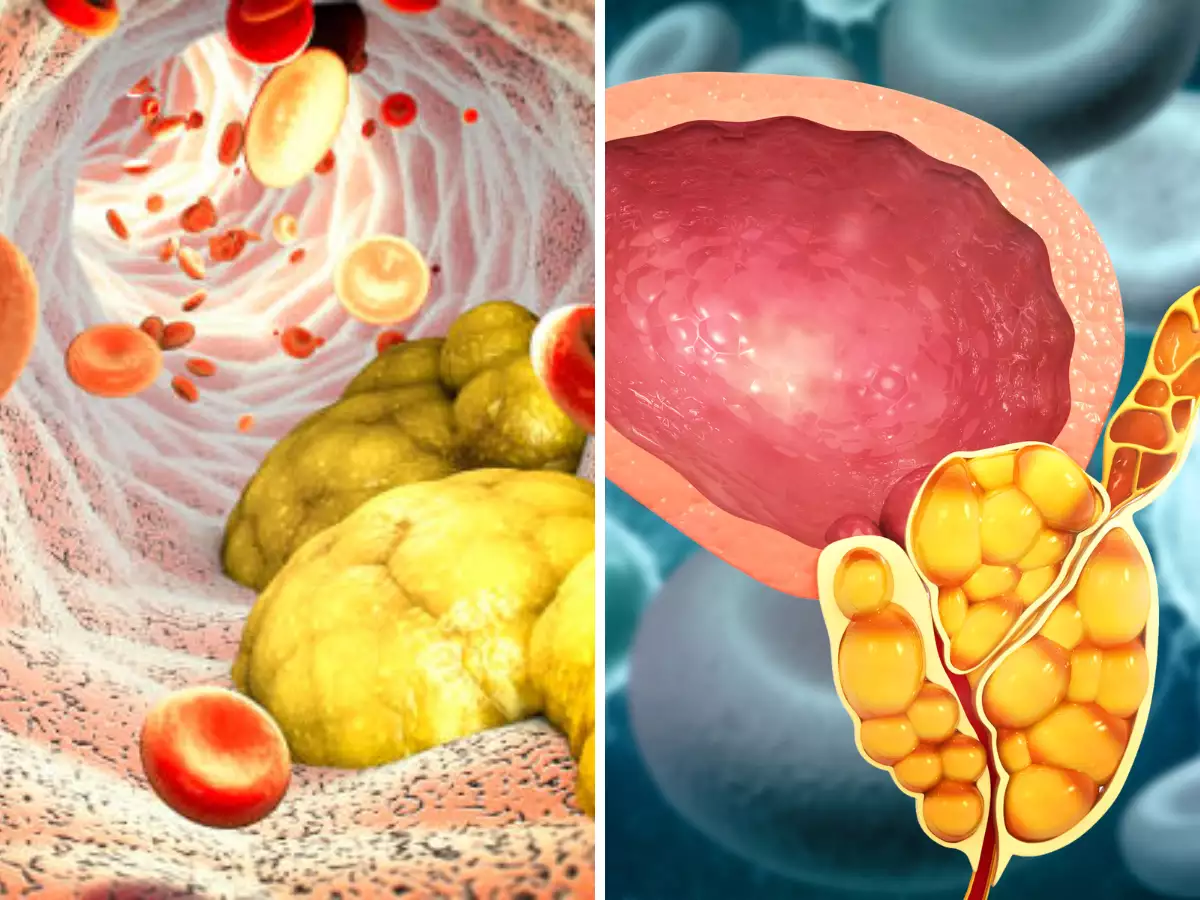
Overactive bladder (OAB) is a condition that affects millions of people, causing sudden and frequent urges to urinate and, in some cases, urgency incontinence, the involuntary leakage of urine. It can be disruptive and embarrassing and affect your daily life, sleep, and overall well-being. While medical treatments are available, many people find relief by making small but meaningful lifestyle changes. Here are five simple lifestyle changes that can help manage overactive bladder symptoms and improve your quality of life.
Monitor Fluid Intake
One of the first steps in managing OAB is keeping track of what and how much you drink. “While it’s important to stay hydrated, drinking large amounts of fluids—especially in a short period—can lead to more frequent trips to the bathroom. Try to spread your fluid intake throughout the day and reduce how much you drink in the evening to prevent nighttime urgency,” says Dr Shashank M S, Consultant – Urology and Renal Transplant, Aster CMI Hospital, Bangalore. Avoid “bladder irritants” like caffeine, alcohol, and carbonated beverages, which can worsen symptoms.
Follow a Bladder-Friendly Diet
Certain foods can irritate the bladder lining, triggering or worsening OAB symptoms. Common culprits include spicy foods, acidic fruits (like oranges and tomatoes), artificial sweeteners, and chocolate. Everyone’s bladder reacts differently, so keeping a food diary can help identify personal triggers. Focus on eating a balanced diet rich in whole grains, vegetables, and lean proteins, which supports overall health and may reduce inflammation that affects the bladder.
Practice Bladder Training
According to the doctor, bladder training is a behavioural management in which the interval periods between trips to visit the bathroom are done gradually. First, monitor your urine frequency, and then delay your urination every time you want to urinate by a couple of minutes. With time this retrains your bladder to accommodate more urine and lessen feelings of urgency. Training of the bladder requires consistency and patience yet can result in improvements that are noticeable.
Strengthen Pelvic Floor Muscles
Pelvic floor exercises, commonly referred to as Kegels, are a good remedy in managing the symptoms of OAB in women. All these exercises make the muscles holding the bladder stronger and aid in holding urine inside the bladder. To perform Kegel exercises, contract the muscles that can be used to interrupt the flow of urine and hold it for a few seconds and then relax. Repeat several times in the day. With time these muscles get stronger and are more effective at controlling leakage of urine and urgency.
Manage Stress and Maintain a Healthy Weight
OAB symptoms could be aggravated by stress, and anxiety and tension could agitate the sense of urgency. To remain calm and centred, adopt such relaxation methods as deep breathing, yoga, or mindfulness meditation. Also, being overweight strains your bladder, and this may worsen the symptoms. Any amount of weight loss will alleviate this pressure and formalise the bladder control.
It is not easy to live with overactive bladder, yet lifestyle changes might make a lot of difference. With changes to your fluid consumption, diet, bladder training, and pelvic floor issues, as well as coping with stress, you can gain control of your condition and minimise its effects in your life. The only option left is meeting with a healthcare provider in case the symptoms remain or improve.









Leave a comment