


New Delhi, October 27: Many people think of strokes as a problem predominantly affecting older folks, but recent studies are highlighting a troubling trend: strokes are increasingly seen in younger individuals. This alarming shift prompts us to ask some important questions. What’s causing this change? Why should we be worried? Why is it crucial to detect strokes early? What steps can we take to prevent them? This article will dive into these vital topics.
Why Are Stroke Cases Increasing?
Research shows that strokes are becoming more common among adults between the ages of 18 and 45. According to the American Stroke Association, there has been a nearly 30% rise in strokes among young adults within the last ten years. Factors like unhealthy diets, lack of physical activity, and elevated stress levels are contributing to this disturbing trend. The advent of technology and social media has led to a decline in physical exercise, further heightening health risks.
Understanding the Risk Factors
Several risk factors increase the chances of stroke at a younger age. Conditions like high blood pressure, diabetes, obesity, and smoking play significant roles. Additionally, mental health challenges such as anxiety and depression can lead to harmful coping strategies, including substance abuse. Recognizing these risk factors is essential for both prevention and early identification of strokes.
Identifying the Symptoms
Being aware of stroke symptoms is crucial, particularly for younger people who may brush off early signs as insignificant health problems. Typical symptoms include sudden numbness or weakness in the face, arms, or legs, especially on one side of the body. Confusion, difficulty in speaking, and severe headaches can also signal the onset of a stroke. Recognizing these symptoms early can be lifesaving and greatly enhance recovery chances.
The FAST Technique
A popular method for spotting strokes is known as the FAST acronym, which stands for Face, Arms, Speech, and Time. This handy tool helps individuals remember the significant signs of a stroke:
Face: Ask the individual to smile. Is one side of their face drooping?
Arms: Can they lift both arms? Is one arm weaker?
Speech: Is their speech slurred or strange?
Time: If any of these signs appear, it’s vital to call emergency services right away.
This technique empowers people to act quickly, which could save lives.
Steps for Prevention
Making Lifestyle Changes
To prevent strokes among younger generations, adopting healthier lifestyle choices is crucial. Eating a balanced diet full of fruits, vegetables, whole grains, and lean proteins can lower the risk of strokes. Regular physical exercise—like walking, jogging, or playing sports—is also important for maintaining a healthy weight and managing blood pressure. Additionally, finding ways to manage stress through mindfulness, meditation, or therapy can greatly enhance overall well-being.
Importance of Regular Check-ups
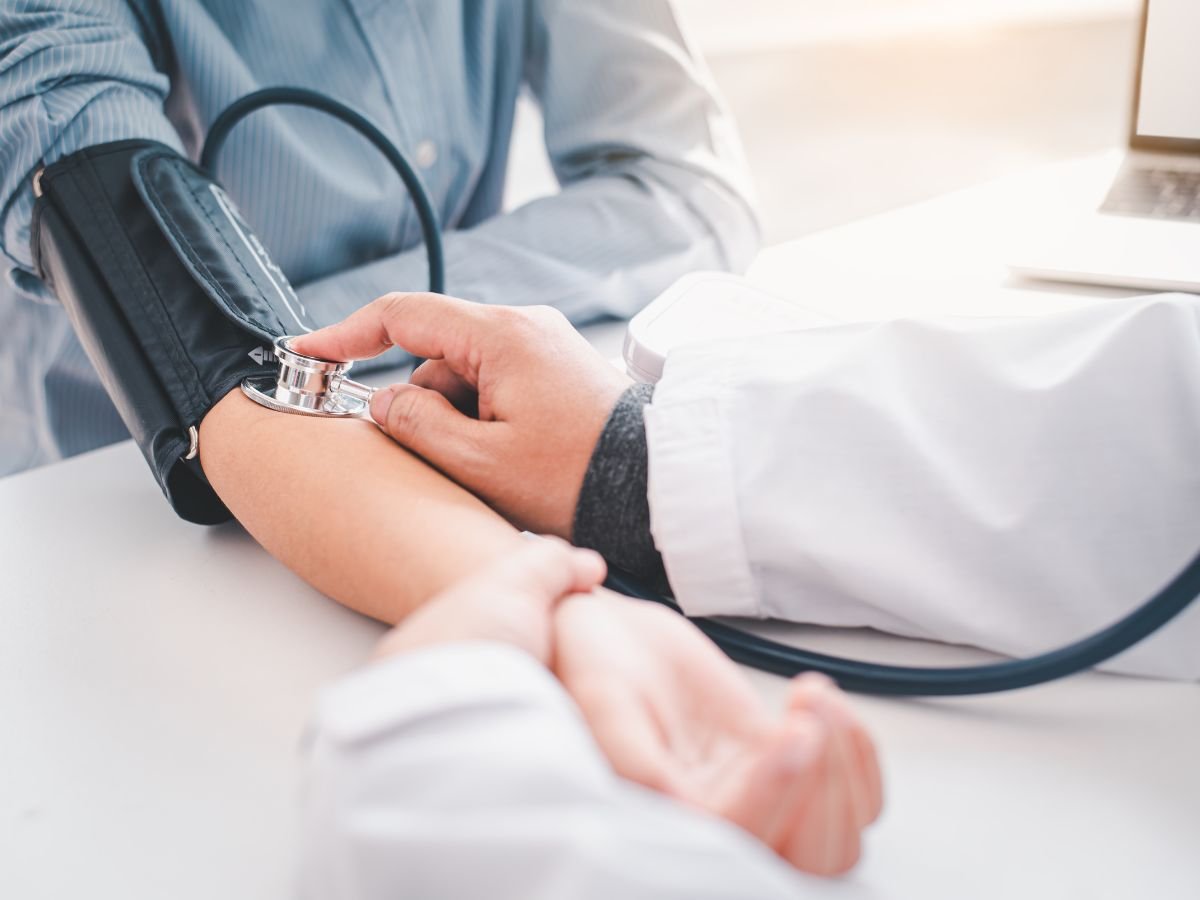
Regular health check-ups are key for early detection of risk factors. Keeping an eye on blood pressure, cholesterol levels, and blood sugar can help catch potential issues before they worsen. Young people should not underestimate the significance of these check-ups, as early intervention may prevent strokes and other serious health problems.
The Need for Education
Raising Awareness
Education plays a crucial role in tackling the silent epidemic of strokes among younger generations. Schools, workplaces, and community groups should prioritize health education initiatives focused on stroke prevention and early recognition. By promoting a culture of awareness, individuals can empower themselves and others to take control of their health.
Conclusion: Taking Action
Strokes aren’t just a concern for older adults; they’re increasingly affecting younger people as well. Understanding risk factors, recognizing symptoms, and enacting preventive measures are essential steps we must take to combat this silent epidemic. By spreading awareness and encouraging healthy living, we can work collaboratively to decrease the occurrence of strokes in our communities. It’s time to prioritize our health and take action for a better future.















Leave a comment