

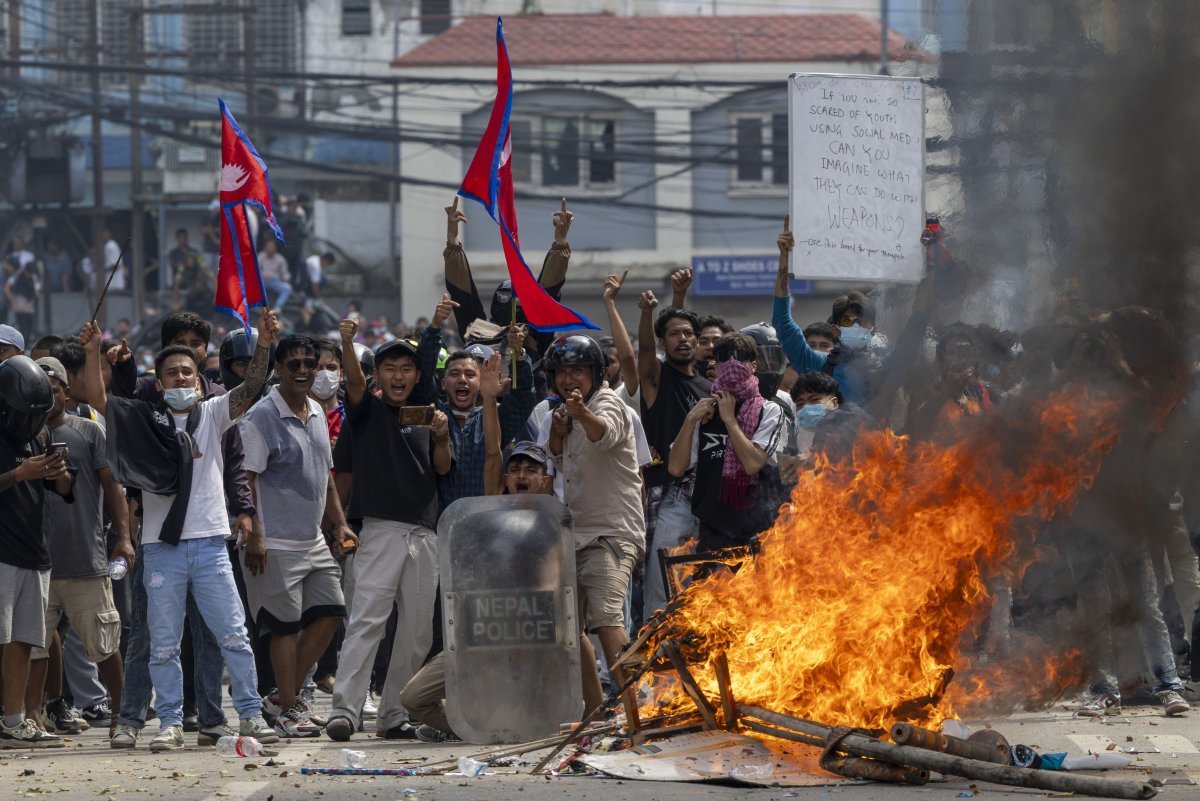
New Delhi, 10 September, 2025: The government of Nepal recently announced a ban on several social media platforms, citing concerns over misinformation, online harassment, and the negative influence of excessive screen time. While this move has sparked debates on digital freedom, one major concern that arises is its impact on mental health—particularly among Gen Z, who are the most active users of social media in the country. Experts suggest that the sudden cut-off from online communities, entertainment, and communication could trigger mixed effects on young people’s mental well-being.
Why Gen Z Relies So Heavily on Social Media
For Gen Z, social media is more than just a tool—it is an essential part of their daily lives. Platforms like Instagram, TikTok, and Facebook are where friendships are formed, trends are followed, and opinions are shaped. Many young people also use these platforms as spaces for self-expression, professional opportunities, and learning.
Unlike older generations, who may view social media as an optional add-on, Gen Z sees it as a default mode of communication. Losing access to these platforms could feel similar to losing a social lifeline, which may increase anxiety and feelings of isolation in the short term.
The Mental Health Risks of the Ban
Experts point out that the abrupt absence of social media may have both immediate and long-term psychological consequences for young people. Some of the potential risks include:
- Increased Loneliness and Isolation
Many teenagers and young adults maintain their friendships primarily online. Without access to messaging and sharing platforms, they might feel disconnected from peers, leading to loneliness. - Loss of Community Support
For individuals who belong to marginalized groups, social media serves as a space for support, awareness, and activism. The ban could remove this safe space, causing a sense of disempowerment. - Anxiety and Withdrawal Symptoms
Like any habit, sudden disconnection from social media can trigger withdrawal-like effects. Young people may feel restless, irritable, or anxious when unable to scroll through their feeds. - Impact on Academic and Career Growth
Social media is also a professional tool. Students and freelancers in Nepal use it to connect with global opportunities, build personal brands, and gain knowledge. Losing access may cause stress related to future career prospects.
Could the Ban Bring Mental Health Benefits?
Interestingly, some experts argue that the ban could also create positive mental health outcomes if managed correctly. Excessive social media use is already linked to poor sleep, low attention span, cyberbullying, and constant comparison with others.
By being forced offline, young people may:
- Spend more time in real-world interactions with family and friends.
- Develop hobbies that are not screen-dependent, such as reading, sports, or art.
- Reduce exposure to online toxicity, hate speech, and cyberbullying.
However, these benefits would only emerge if healthy offline alternatives are provided. Otherwise, the absence of digital platforms might cause more distress than relief.
Expert Insights: Finding Balance
Mental health professionals emphasize that the real issue is not whether social media exists but how it is used. For Gen Z, social media provides both connection and pressure.
A balanced approach may involve:
- Digital Detox in Moderation: Instead of a complete ban, time restrictions or digital literacy programs could teach young users how to manage screen time.
- Counseling and Awareness: Schools and universities could introduce mental health sessions to help students deal with the emotional fallout of losing online communities.
- Promoting Offline Communities: Creating safe offline spaces—youth clubs, support groups, and community events—can help fill the void left by social media.
Coping Strategies for Gen Z During the Ban
For those struggling with the sudden change, experts recommend small but impactful strategies to cope with the transition:
- Reconnect Offline – Rebuild friendships through face-to-face interactions, phone calls, or local meet-ups.
- Engage in Mindful Activities – Yoga, meditation, or journaling can help reduce anxiety caused by the absence of online distractions.
- Explore New Hobbies – Reading, cooking, painting, or fitness routines can provide a healthier dopamine boost than scrolling endlessly.
- Stay Updated Through Trusted News Outlets – Instead of relying on unverified sources online, young people can follow newspapers and official channels for information.
- Seek Professional Help If Needed – If the ban worsens feelings of depression or anxiety, consulting a counselor or therapist becomes essential.
The ban on social media in Nepal has brought to light an important debate: where do we draw the line between digital freedom and mental health protection? While the government argues that the measure is necessary to curb online harm, its psychological consequences for Gen Z cannot be ignored.
Ultimately, the key lies in finding balance. Instead of blanket bans, digital wellness education, controlled screen time, and promoting offline communities could be a more effective way forward. For now, Gen Z in Nepal faces the challenge of navigating life without their digital lifeline—testing just how deeply social media has become intertwined with modern identity, connection, and mental health.

















Leave a comment