Home Latest News Snakes could be the source of Coronavirus in China: Study
Latest News

Snakes could be the source of Coronavirus in China: Study

Share
Share

Healthwire Bureau

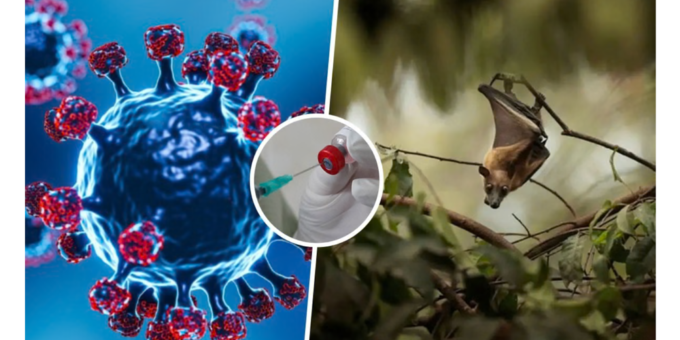
New Delhi: Shedding light on the potential origins of Coronavirus —- which has claimed 17 lives so far and infected over 500, a new study revealed that it may have been transmitted to humans from snakes.

The findings are based on a genetic analysis of the virus.

In December last year, it was first reported at Wuhan in central China, and has been rapidly spreading. Since then, sick travelers from Wuhan have infected people in China and other countries, including the US, Hong Kong, Singapore, Thailand and Japan.

According to the researchers, including Wei Ji from Peking University Health Science Centre in China, patients who became infected with the coronavirus- named 2019-nCoV by the World Health Organization (WHO)- were exposed to wildlife animals at a wholesale market, where seafood, poultry, snake, bats, and farm animals were sold.

The Journal of Medical Virology which has published this study found a mix, or “recombination”, of a viral protein which recognises and binds to host cells.

According to the study, this recognition is key to allowing viruses to enter host cells, and cause infection and disease.

Conducting a detailed genetic analysis of the 2019-nCoV, and comparing it with those of different coronaviruses from various geographic locations and host species, the study found that the new virus formed from a combination of CoV found in bats, and another of unknown origin.

“It is critical to determine the animal reservoir of the 2019-nCoV in order to understand the molecular mechanism of its cross-species spread,” the scientists reported in the study.

The new virus is similar to the one which caused the 2003 outbreak of Severe Acute Respiratory Syndrome (SARS) in 2003, infecting 8422 people and killing over 900.

Share

Leave a comment

Leave a Reply

Your email address will not be published. Required fields are marked *

Don't Miss

Diabetes Day
Latest News

Diabetes During Pregnancy May Raise Infection Risk in Babies, New Study Warns

Pregnancy is a critical period not just for a mother’s health but also for the lifelong well-being of her child. New research is...

7 Simple Eye Exercises To Ease Screen-Induced Strain.
Lifestyle

Digital Eye Strain And Mental Fatigue: How Screen Overload Is Affecting Young Professionals

It this hyper-connected world, screens have become indispensable tools for work, communication, and entertainment. From laptops and tablets to smartphones and smart TVs,...

The Nipah virus is considered one of the deadliest zoonotic infections globally, not because it spreads rapidly like influenza or COVID-19, but because of its extremely high fatality rate, rapid progression, and severe brain involvement. Medical experts warn that once symptoms escalate, the disease can turn fatal within days. According to available data, the case fatality rate of Nipah virus ranges between 50 and 75 per cent, placing it among the most lethal viral infections known to humans. In this explainer, Dr Dip Narayan Mukherjee, Consultant – Microbiology and Infectious Diseases, CK Birla Hospitals, CMRI, sheds light on why the virus is so dangerous and difficult to control. Why Is the Nipah Virus So Deadly? According to Dr Mukherjee, Nipah’s lethality lies in a combination of delayed symptom recognition, aggressive disease progression, and early involvement of the brain. “Nipah virus often begins with very non-specific symptoms, which makes early detection difficult. By the time it is clinically suspected, the virus may have already affected the brain,” he explains. Early Symptoms Often Go Unnoticed One of the biggest challenges in controlling Nipah virus is that its initial symptoms closely resemble common viral illnesses, leading to delays in diagnosis and isolation. Early symptoms include: Fever Headache Cough Muscle pain General weakness “These symptoms are easily mistaken for flu, viral fever, or respiratory infections,” says Dr Mukherjee. “This delay gives the virus time to progress silently.” Severe Brain Infection Drives High Mortality The most dangerous aspect of Nipah virus infection is its neurological involvement. The virus frequently causes encephalitis, or inflammation of the brain, which significantly increases the risk of death. Neurological symptoms may include: Seizures Confusion and altered consciousness Extreme drowsiness Coma “Once the central nervous system is involved, the disease becomes very difficult to manage,” Dr Mukherjee notes. “At this stage, treatment is largely supportive because there is no specific antiviral therapy available.” This lack of targeted treatment options makes early detection critical. Human-to-Human Transmission Raises Risk While Nipah virus is primarily transmitted from fruit bats, it can also spread from person to person, particularly in healthcare settings. Dr Mukherjee points out that: Caregivers and healthcare workers are at higher risk Exposure to high viral loads can worsen outcomes Inadequate infection control increases transmission risk “Strict adherence to infection control practices is essential. Even a small lapse can result in secondary infections,” he says. Zoonotic Nature Makes Exposure Hard to Predict Nipah virus is transmitted from fruit bats, either directly or through intermediate hosts such as pigs. This zoonotic pattern makes outbreaks unpredictable, especially in regions where humans, animals, and wildlife interact closely. Adding to the challenge: There is no approved vaccine Treatment options remain limited Isolation protocols must be strictly enforced What Can Reduce Nipah Fatalities? According to experts, early action remains the most effective defence against Nipah virus. Key measures include: Early isolation of suspected cases Strict use of personal protective equipment (PPE) Rapid escalation and referral to specialised centres Strong hospital infection control protocols “The earlier the virus is identified and contained, the better the chances of preventing severe disease and fatalities,” Dr Mukherjee emphasises. The Bottom Line Nipah virus continues to be a serious public health threat because of its high fatality rate, neurological complications, and lack of targeted treatment. Its ability to masquerade as a mild illness in the early stages makes vigilance crucial. Health experts stress that awareness, early suspicion, and strict infection control are currently the most powerful tools to reduce deaths linked to this deadly virus. As Dr Mukherjee concludes, “With Nipah, time is the most critical factor. Early recognition can save lives.”
Latest News

Viral Outbreaks 2026: What Are Scientists Watching Out For?

As the world moves deeper into 2026, global health agencies and scientists remain on high alert for emerging and re-emerging viral threats. While...

heart disease
Case Study

Why the Fight Against Pediatric Heart Disease Starts Before Birth

Every heartbeat tells a story, but for thousands of infants in India, that story being interrupt before it truly begins. Despite the leap...

Parkinson's Disease
Latest News

Parkinson’s Disease: How the Interaction of Two Genes Triggers Neurodegeneration

Parkinson’s disease (PD) is one of the most common neurodegenerative disorders in the world, affecting millions of people and steadily increasing in prevalence...

Section title

Related Articles
Sleep Deprivation and Exams: Why All-Night Studying Is Hurting Student Health
Latest News

Sleep Deprivation and Exams: Why All-Night Studying Is Hurting Student Health

For many students, exams come with a familiar routine: late-night coffee, endless...

pregnancy covid
Latest NewsObstetrics & Gynecology

Fertility in Your 20s and 30s: Why Age Alone Doesn’t Guarantee Reproductive Health

For years, fertility has been closely linked with youth. Many people assume...

Measles Outbreak
Latest News

Measles Outbreak Surges Across the U.S. With Hundreds of New Cases Reported

A worrying resurgence of measles is unfolding across the United States, with...

×