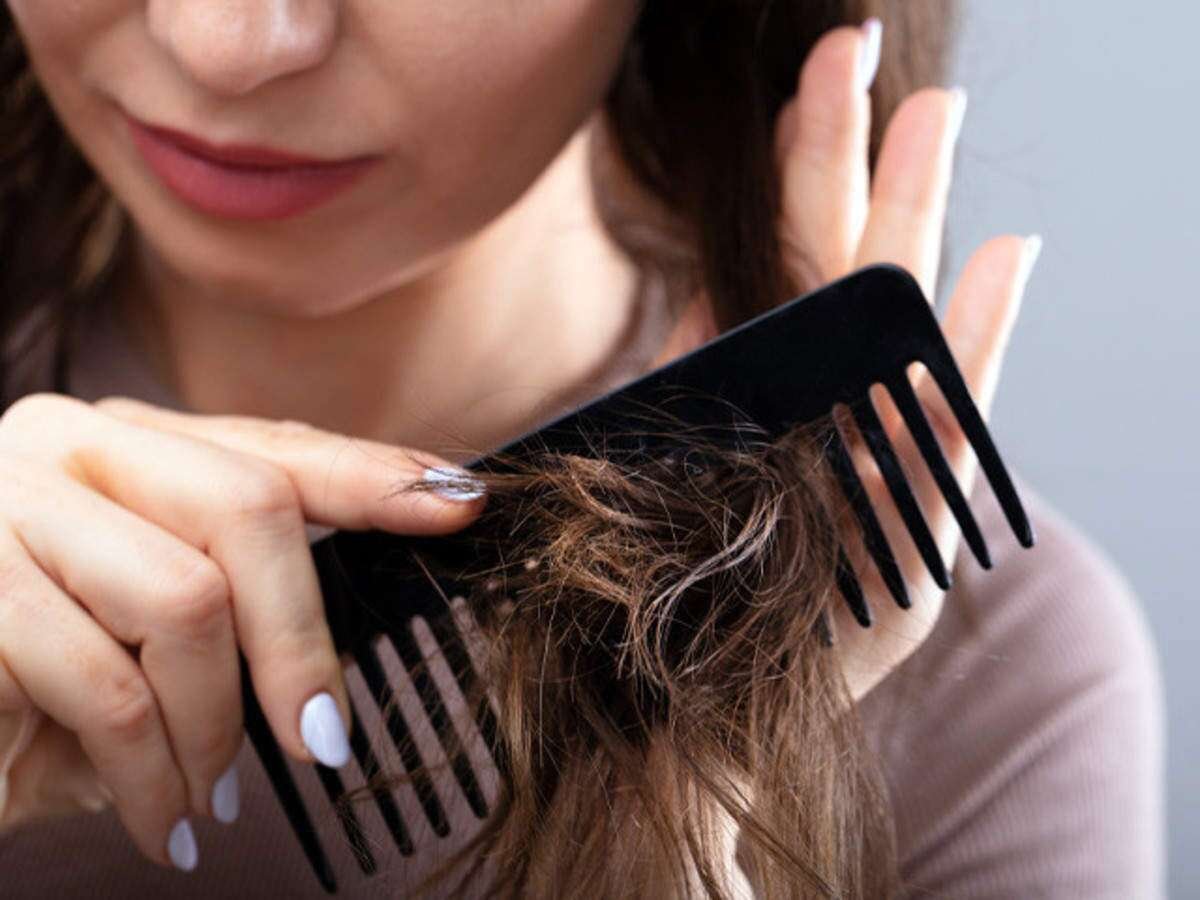
Hair fall is no longer just a problem of genetics, stress, or poor diet. Dermatologists and hair experts now warn that air pollution has emerged as a major but underestimated cause of hair thinning, breakage, and scalp disorders, especially in urban India. From vehicle emissions and industrial smoke to dust and toxic gases, the air we breathe daily is also settling on our scalp — with damaging consequences.
How Pollution Attacks Your Hair and Scalp
Air pollutants such as particulate matter (PM2.5 and PM10), nitrogen dioxide, sulfur dioxide, and heavy metals cling to the scalp and hair shaft. Over time, this buildup creates a hostile environment for healthy hair growth.
According to dermatologists, fine particulate matter can penetrate the scalp, triggering inflammation and weakening hair follicles. “Pollution increases oxidative stress on the scalp, which accelerates follicle ageing and pushes hair prematurely into the shedding phase,” explains Dr. Neha Kapoor, a Delhi-based dermatologist.
Oxidative Stress: The Root of Pollution-Induced Hair Fall
One of the biggest threats from pollution is oxidative stress. Pollutants generate free radicals that damage scalp cells and hair proteins like keratin. This leads to:
- Increased hair fall
- Dry, brittle strands
- Split ends and breakage
- Loss of natural shine
Over time, oxidative stress can also disrupt the hair growth cycle, shortening the anagen (growth) phase and increasing hair shedding.
Scalp Inflammation and Dandruff Worsen Hair Loss
Pollution doesn’t just affect hair — it damages the scalp first. Dust, smoke, and chemicals clog hair follicles and disturb the scalp’s natural microbiome, often leading to:
- Itching and irritation
- Dandruff and flaking
- Seborrheic dermatitis
- Increased scalp sensitivity
“An inflamed scalp cannot support strong hair growth,” says Dr. Kapoor. Chronic inflammation weakens follicles, making hair more prone to falling out even during routine activities like washing or combing.
Pollution Makes Hair Greasier Yet Drier
Urban pollution creates a paradox: oily scalp and dry hair. Pollutants stimulate excess sebum production while simultaneously stripping moisture from the hair shaft. The result is greasy roots but dull, frizzy, and lifeless lengths — a combination that accelerates hair damage and breakage.
Who Is Most at Risk?
Certain groups are more vulnerable to pollution-related hair problems:
- People living in high-pollution cities
- Those who commute long hours outdoors
- Individuals with sensitive scalp or pre-existing hair loss
- Children and teenagers, whose scalp barrier is still developing
Studies show that people exposed to high pollution levels report significantly higher hair fall and scalp discomfort than those in cleaner environments.
Signs Pollution Is Affecting Your Hair
Watch out for these warning signs:
- Sudden increase in daily hair fall
- Persistent scalp itching or burning
- Hair becoming rough, dull, or unmanageable
- Increased dandruff despite regular washing
If these symptoms worsen during high-smog months, pollution could be the culprit.
How to Protect Your Hair from Pollution Damage
Experts recommend a combination of cleansing, protection, and nourishment:
1. Cleanse Smartly
Wash hair 2–3 times a week using a gentle, sulfate-free shampoo to remove pollutant buildup without stripping natural oils.
2. Oil Before Exposure
Applying a light layer of coconut or argan oil before stepping out can create a protective barrier that prevents pollutants from sticking to the hair shaft.
3. Cover Your Hair Outdoors
Using scarves, caps, or dupattas can significantly reduce direct exposure to dust and toxic particles.
4. Detox Your Scalp
Once a week, use a mild scalp exfoliant or clarifying shampoo to unclog follicles and restore scalp balance.
5. Strengthen from Within
A diet rich in antioxidants — including fruits, leafy greens, nuts, and seeds — helps counter oxidative stress caused by pollution.
When to Seek Medical Help
If hair fall persists despite lifestyle changes, dermatologists advise seeking professional help. “Pollution-related hair loss can coexist with hormonal imbalance, nutritional deficiency, or genetic factors,” experts say. Early diagnosis can prevent long-term thinning.
Air pollution is no longer just a lung or heart health issue — it is quietly damaging hair and scalp health every day. While you may not be able to control the air quality around you, simple protective habits and timely care can significantly reduce pollution-induced hair fall.