

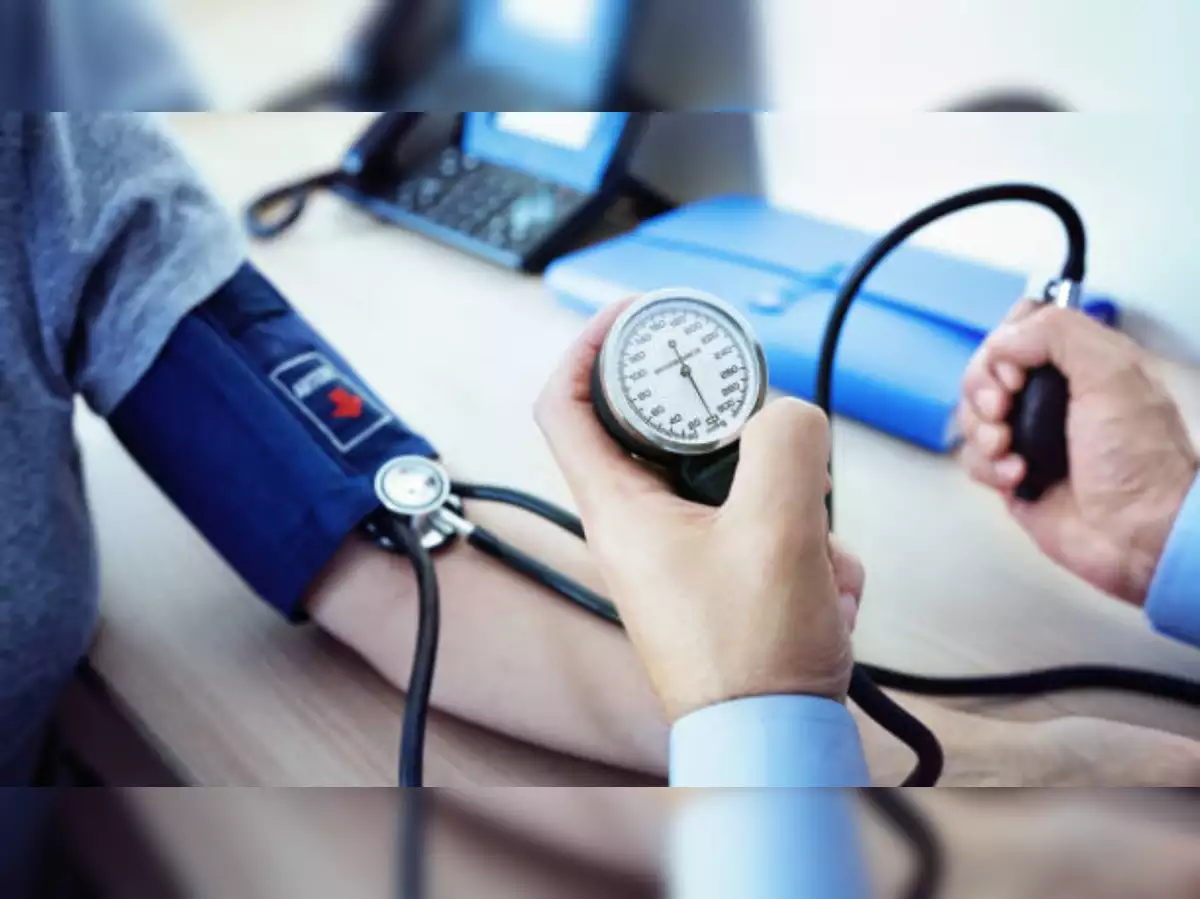
New Delhi, 12 October, 2025: High blood pressure (hypertension) is often called the “silent killer” because it develops gradually and can damage your body for years without obvious symptoms. But what many people don’t realize is that blood pressure tends to spike early in the morning—a surge that can increase the risk of heart attack, stroke, and other cardiovascular events. This early morning rise is a natural part of the body’s daily rhythm, but in people with hypertension, it can be dangerous.
Understanding why this happens and how to control it is key to preventing life-threatening complications.
What Happens to Blood Pressure in the Morning
Blood pressure isn’t static—it fluctuates throughout the day following what experts call a circadian rhythm. Typically:
- It drops during sleep when the body is in a relaxed state.
- It begins to rise just before waking, peaking in the first few hours of the morning (between 6 and 10 a.m.).
- It remains relatively stable during the day and drops again at night.
For most healthy individuals, this pattern is normal and doesn’t cause harm. However, in people with hypertension or underlying heart disease, this morning surge can trigger dangerous cardiovascular events. Studies have shown that heart attacks, strokes, and sudden cardiac deaths are more likely to occur during these early morning hours.
Why Blood Pressure Rises Before You Wake Up
Several biological and hormonal changes contribute to this early morning spike:
- Cortisol Surge
The body naturally releases higher levels of cortisol—the stress hormone—around dawn. Cortisol helps prepare the body to wake up, but it also increases heart rate and blood pressure. - Sympathetic Nervous System Activation
The sympathetic nervous system (also known as the “fight or flight” system) becomes more active in the morning, causing blood vessels to constrict and the heart to pump harder. - Physical Movement
Even simple movements like getting out of bed increase heart rate and vascular resistance, contributing to a quick rise in blood pressure. - Medication Wear-Off
For individuals on blood pressure medications taken once daily, their effect may wear off overnight, leading to higher readings in the early hours. - Underlying Conditions
Conditions like sleep apnea, diabetes, kidney disease, or obesity can amplify the morning surge, making it more dangerous.
Morning Blood Pressure Surge and Heart Attack Risk
The morning surge in blood pressure isn’t just a number on a monitor—it has real consequences. Cardiovascular events such as heart attack and stroke are most common between 6 a.m. and 10 a.m.. Here’s why this matters:
- Plaque Rupture: Increased blood pressure can strain the arteries, causing plaque deposits to rupture and block blood flow.
- Increased Blood Clotting: Platelet activity is higher in the morning, making clots more likely to form.
- Sudden Cardiac Events: The combination of high blood pressure, increased heart rate, and vascular stress can trigger heart attacks or strokes in susceptible individuals.
Who Is Most at Risk
While anyone with hypertension can experience a morning surge, certain groups are at higher risk:
- People with uncontrolled or poorly controlled hypertension
- Older adults
- Those with sleep apnea or irregular sleep patterns
- Individuals with diabetes or kidney disease
- Smokers and people with high cholesterol
- Those who skip or inconsistently take blood pressure medication
If you fall into any of these categories, monitoring your morning blood pressure is especially important.
Recognizing the Warning Signs
Hypertension often has no symptoms, but when morning blood pressure spikes are significant, some people may experience:
- Headache upon waking
- Dizziness or lightheadedness
- Nosebleeds
- Chest discomfort
- Unusual fatigue
- Blurred vision
These signs can also be associated with other conditions, but if they occur regularly in the morning, it’s a red flag that should not be ignored.
How to Check for Morning Blood Pressure Surge
Regular home monitoring is one of the best ways to detect morning hypertension. Here’s how to do it correctly:
- Measure your blood pressure within 30–60 minutes of waking up, before breakfast or taking medication.
- Take at least two readings, one minute apart, and record the results.
- Track your readings over time and share them with your doctor.
A reading consistently above 135/85 mmHg in the morning may indicate a problematic surge.
How to Control Morning Blood Pressure Surges
1. Take Medication Strategically
If you’re on blood pressure medication, talk to your doctor about the best timing. Some people benefit from taking medication at night to maintain more stable blood pressure throughout the early morning hours.
2. Maintain a Consistent Sleep Schedule
Poor or irregular sleep can increase cortisol levels and worsen blood pressure fluctuations. Aim for 7–8 hours of quality sleep per night.
3. Limit Salt and Late-Night Meals
High sodium intake can raise overnight blood pressure. Avoid heavy, salty meals before bed.
4. Exercise Regularly (But Not Right Away in the Morning)
Physical activity is excellent for lowering blood pressure, but avoid intense exercise immediately after waking. Give your body time to adjust first.
5. Reduce Morning Stress
Mindfulness, deep breathing, or stretching upon waking can help lower stress hormones and keep blood pressure stable.
6. Avoid Stimulants Early in the Morning
Coffee or energy drinks can spike blood pressure further. If you have hypertension, consider reducing or delaying caffeine intake.
7. Treat Underlying Conditions
If sleep apnea, diabetes, or kidney problems are contributing to blood pressure fluctuations, managing those conditions is critical.
Why Morning Monitoring Matters More Than You Think
Many people rely solely on clinic readings to manage hypertension, but blood pressure at the doctor’s office doesn’t always reflect daily fluctuations. Morning readings are often more predictive of cardiovascular risk than daytime or office readings. By identifying and controlling the morning surge, you can significantly reduce your risk of heart attack, stroke, and other complications.
When to Seek Medical Help
You should contact your healthcare provider if:
- Your morning readings are consistently high (over 135/85 mmHg).
- You experience chest pain, shortness of breath, or unusual fatigue in the morning.
- Your medication doesn’t seem to be keeping your blood pressure stable.
In cases of sudden, severe headache, weakness, speech problems, or vision changes, seek emergency care immediately.
High blood pressure is dangerous because it often goes unnoticed until it causes serious harm. The morning hours are a critical period when your heart and arteries face their greatest strain. Understanding the morning blood pressure surge—and taking steps to control it—can make the difference between silent damage and a healthy life.
By adopting healthy lifestyle habits, monitoring blood pressure at home, and working closely with your healthcare provider, you can protect your heart from this silent morning killer.














Leave a comment