

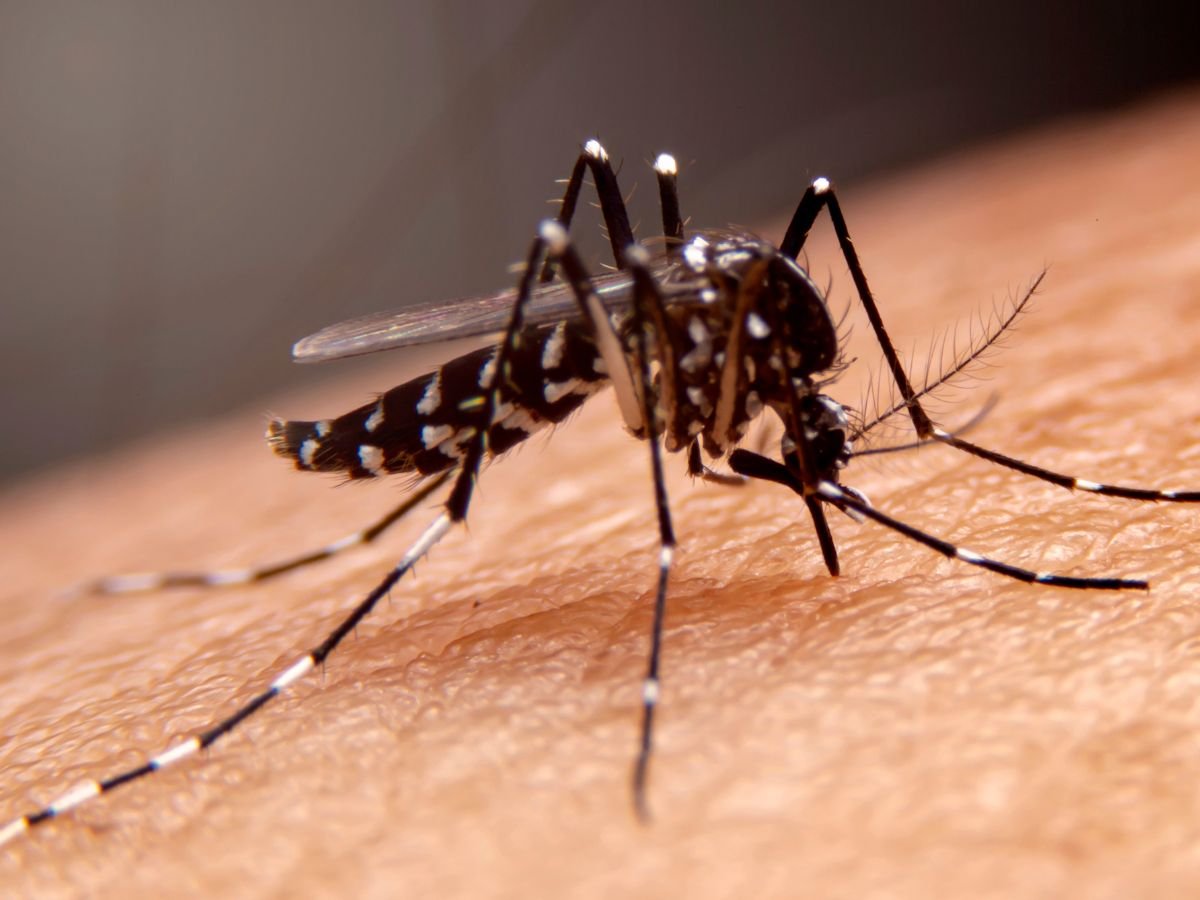
When referring to illnesses like dengue fever, the term “seasonal” has become irrelevant in recent years. Once believed to be limited to certain seasons of the year, dengue outbreaks are now a year-round calamity, particularly in areas like South Asia due to climate change. Dengue was once thought to be a seasonal threat, but due to a combination of longer monsoon seasons, rising temperatures, and changed mosquito behavior, it is now a constant threat that has no boundaries.
In the past, the monsoon season—typically lasting from June to September—was linked to dengue because standing water offered Aedes mosquitoes, the mosquitoes that spread the dengue virus, the ideal breeding environment. But the environment has changed, and these mosquitoes are now heading north, posing a threat to more European nations with dengue fever.
Tips on how to deal with the evolving threat of dengue fever in South Asia:
- Destroy Breeding Grounds: Routinely check and get rid of any still water points within residences, schools and other places where mosquitoes reproduce, by way of instance in flower pots, containers or old tires.
- Use Mosquito Repellents: Encourage everyone to use mosquito repellants that contain DEET, picaridin, or oil from lemon eucalyptus tree, to discourage biting especially during peak mosquito biting periods such as dawn and dusk.
- Wear Protective Clothing: Stay safe from the sun’s harmful rays as you go out by covering your body well. This means long sleeves and trousers, socks, closed-toe shoes among others.
- Install Screens: Screens Use Screens on windows and doors made from a mesh can aid to keep mosquitoes off from entering in a house and other buildings.
Communities in South Asia can collaborate to lower the risk of dengue fever and lessen its effects by putting these suggestions into practice. Wearing protective clothing, utilizing mosquito nets, and getting rid of standing water are just a few easy ways to drastically lower the risk of infection. More broadly, tackling the underlying cause of the issue necessitates coordinated international action to slow down climate change.
















Leave a comment