

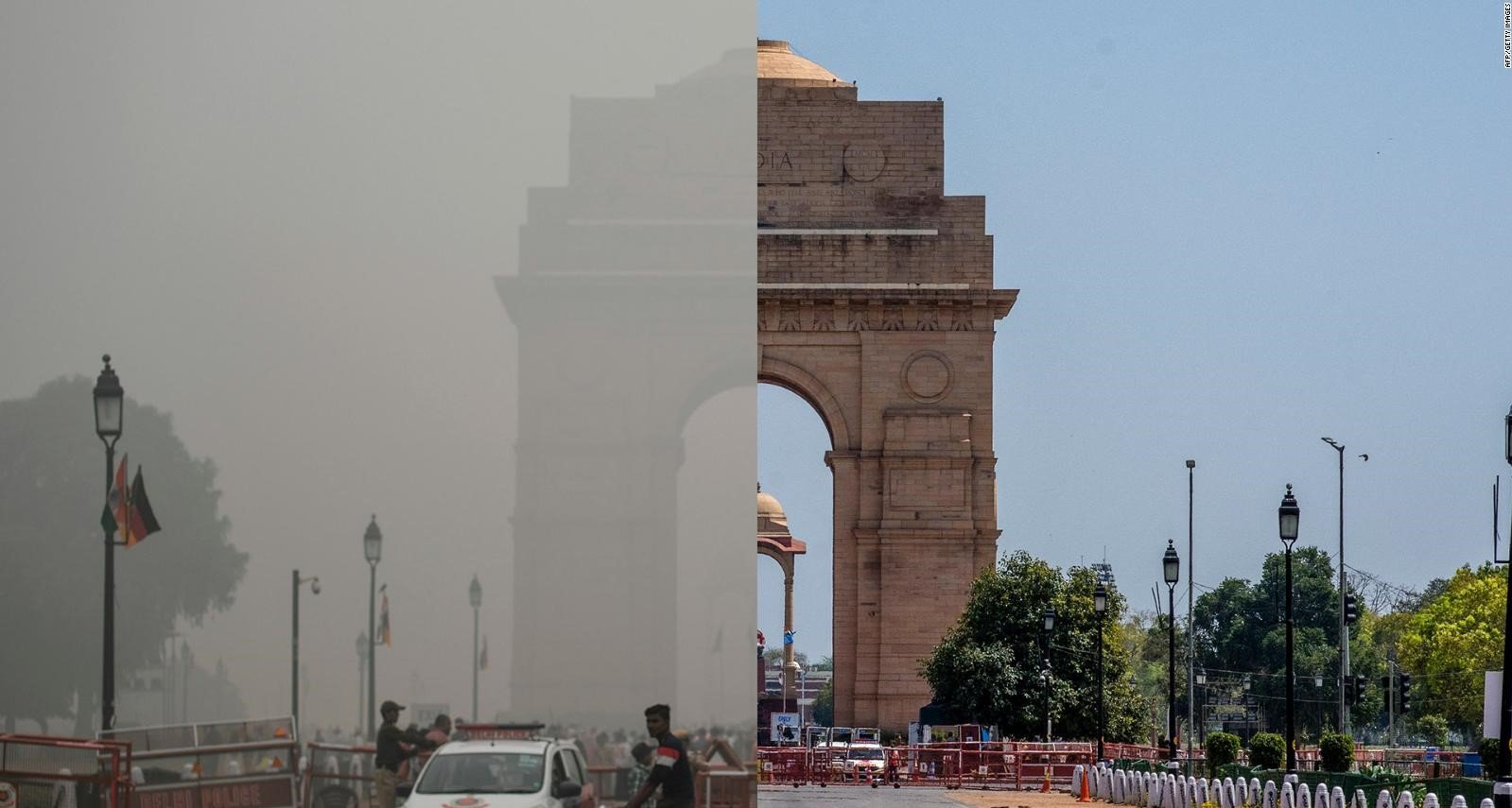
New Delhi, October 23: Pollution in Delhi-NCR has reached shocking levels, with the Air Quality Index (AQI) hitting a staggering 342, which categorizes the air quality as ‘very poor.’ This alarming scenario raises serious health concerns for residents, particularly for vulnerable groups like children and the elderly. Key factors driving this pollution include emissions from vehicles, industrial waste, and the burning of agricultural debris in surrounding states. The deteriorating air quality has led authorities to impose restrictions aimed at reducing pollution and safeguarding public health.
What Does an AQI of 342 Mean?
An AQI of 342 represents a dangerously high level of pollution, making outdoor activities potentially harmful. Health experts indicate that prolonged exposure to such air quality can result in respiratory problems, heart diseases, and other serious health complications. The levels of particulate matter (PM2.5 and PM10) are particularly alarming, as they can enter the lungs and even the bloodstream. It’s crucial for residents to grasp the significance of this AQI level to take necessary precautions.
Health Risks from Poor Air Quality
The health risks associated with high pollution levels are grave. Those with existing health issues, like asthma or heart disease, face greater danger. Children and the elderly are especially susceptible to the negative effects of dirty air. Symptoms may include wheezing, coughing, and fatigue. Health officials advise reducing outdoor activities and using air purifiers indoors to lessen exposure to the polluted air.
Current Restrictions Due To Pollution
In light of the worsening air quality, the Delhi government has rolled out several restrictions. These measures include banning construction work, limiting vehicle movement, and temporarily suspending emissions from industries that contribute to pollution. Schools have also been urged to conduct online classes to minimize students’ exposure to harmful outdoor air. These actions aim to cut down pollution sources and provide immediate relief for residents.
Govt In Addressing Air Pollution Issues
Government agencies are closely tracking air quality and are ready to take further action if needed. The Central Pollution Control Board (CPCB) is collaborating with local authorities to enforce pollution control measures. They are regularly updating the public on air quality statuses to encourage adherence to the restrictions. The government is also urging citizens to adopt eco-friendly habits, such as carpooling and using public transportation, to help reduce emissions from vehicles.
Raising Public Awareness and Community Involvement
Raising public awareness is vital in the fight against pollution. Community initiatives aimed at informing residents about the significance of clean air and the detrimental effects of pollution are gaining traction. Various NGOs and local groups are organizing awareness campaigns, motivating residents to partake in tree planting and cleanup events. Such grassroots movements can greatly enhance air quality over time.
Long-term Strategies for Air Pollution
Tackling air pollution in Delhi-NCR demands a comprehensive approach. While immediate restrictions are essential, long-term solutions must also be pursued. This includes investing in renewable energy sources, improving public transport networks, and promoting green spaces within cities. The government should also collaborate with surrounding states to address pollution sources, like crop burning, which notably affects air quality in the region.
The ongoing pollution crisis in Delhi-NCR should serve as a wake-up call for both residents and authorities. With the AQI reaching critical levels, it’s vital for everyone to take action. Individuals need to comply with the established restrictions, while the government must implement effective policies and measures to combat pollution.















Leave a comment