


New Delhi, 14 July 2025: A new study by the Indian Council of Medical Research (ICMR) has revealed a critical yet often overlooked health risk — high salt consumption is playing a significant role in the rising cases of hypertension and heart disease across India, beyond the commonly blamed factor of stress. While mental stress has long been associated with elevated blood pressure, the latest findings suggest that excessive dietary sodium is a much more pervasive and preventable cause, silently fuelling India’s growing cardiovascular crisis. With the average Indian consuming nearly twice the recommended daily limit of salt, the ICMR report urges urgent dietary changes and stronger public health interventions.
The Hidden Role of Salt in India’s Hypertension Epidemic
The WHO recommends a daily salt intake of less than 5 grams, but studies show that Indian adults are averaging around 10 grams or more — largely through processed foods, restaurant meals, and traditional cooking. This chronic overconsumption of salt is contributing directly to rising blood pressure levels, which in turn increases the risk of heart attacks, strokes, and kidney disease. The ICMR’s findings challenge the popular assumption that stress is the primary driver of hypertension, placing greater emphasis on diet, especially the unnoticed salt content in everyday meals.
How High Salt Intake Harms Your Heart and Blood Vessels
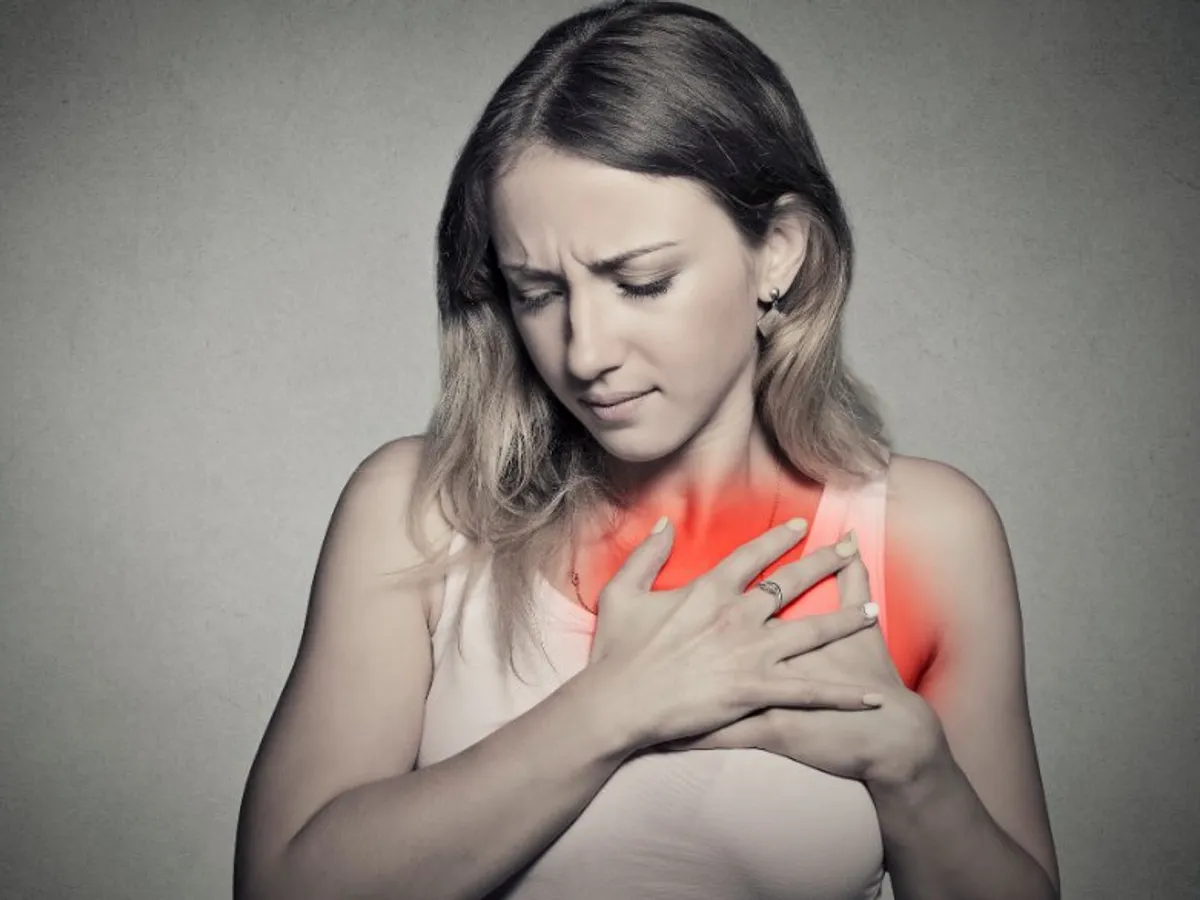
Salt, or more specifically the sodium it contains, affects the body’s ability to regulate fluids. Excess sodium leads to water retention, which increases blood volume and places added strain on the heart and arteries. Over time, this strain can damage blood vessel walls, cause the heart to enlarge, and lead to high blood pressure — a major risk factor for heart disease and stroke. The ICMR study reinforces that even people who appear healthy or do not feel “stressed” can still be at high risk if their diets are consistently high in salt.
Why Most Indians Are Consuming Too Much Salt Without Realizing
One of the biggest concerns raised by the study is that most individuals are unaware of their actual salt intake. Common foods like pickles, papads, chips, sauces, bread, and processed snacks contain high levels of hidden sodium. Moreover, cultural habits such as adding extra salt during cooking or at the table only worsen the problem. Eating out, especially in urban centers, exposes people to even more sodium-rich meals. The study highlights the urgent need for clear food labeling, nutrition education, and public awareness campaigns to help individuals make informed choices.
ICMR’s Call for Action: Reducing Salt for a Healthier Heart
The ICMR has called on both individuals and policymakers to address the issue of salt overconsumption with seriousness. Recommendations include promoting low-sodium alternatives, encouraging home-cooked meals with limited salt, and regulating the salt content in processed and packaged foods. Healthcare professionals are also advised to educate patients on checking food labels, avoiding processed foods, and gradually reducing salt to train the taste buds. Public health campaigns modeled on successful anti-tobacco and sugar-reduction drives may soon be launched to tackle this issue at a national level.
Simple Tips to Cut Down Salt and Lower Your Risk of Heart Disease
Cutting down salt doesn’t mean compromising on flavor. Using fresh herbs, lemon juice, garlic, ginger, and spices can enhance taste while keeping sodium levels in check. Avoid processed and ready-to-eat meals, opt for low-sodium versions when available, and reduce the frequency of eating out. Train your palate to prefer less salty food gradually — studies show that taste buds adjust over time. Monitoring blood pressure regularly and making small, consistent dietary changes can significantly lower the risk of heart disease.
While mental stress undoubtedly plays a role in blood pressure fluctuations, the ICMR study makes it clear that dietary salt is a more significant and controllable factor behind India’s hypertension crisis. As cardiovascular diseases continue to rise, this evidence provides a clear direction — reduce salt, raise awareness, and protect the heart. Addressing this silent but deadly risk through diet and lifestyle changes could save millions of lives in the coming decades.














Leave a comment