In the past few weeks, India has reported re-emergence of the Nipah virus (NiV), a rare but deadly pathogen that has grabbed global attention. With a mortality rate ranging from 40% to 75%, Nipah virus is considered one of the world’s most dangerous zoonotic viruses. Each outbreak sparks fear not only because of its lethality but also because of its potential to cause a pandemic if unchecked.
Understanding why Nipah is repeatedly emerging in India, how it spreads, and what can be done to prevent a global crisis is critical for public health authorities, healthcare providers, and the public.
What Is Nipah Virus?
Nipah virus is a zoonotic virus, meaning it originates in animals and can spill over to humans. It belongs to the Henipavirus genus, closely related to Hendra virus, and was first identified in 1998–1999 during an outbreak among pig farmers in Malaysia.
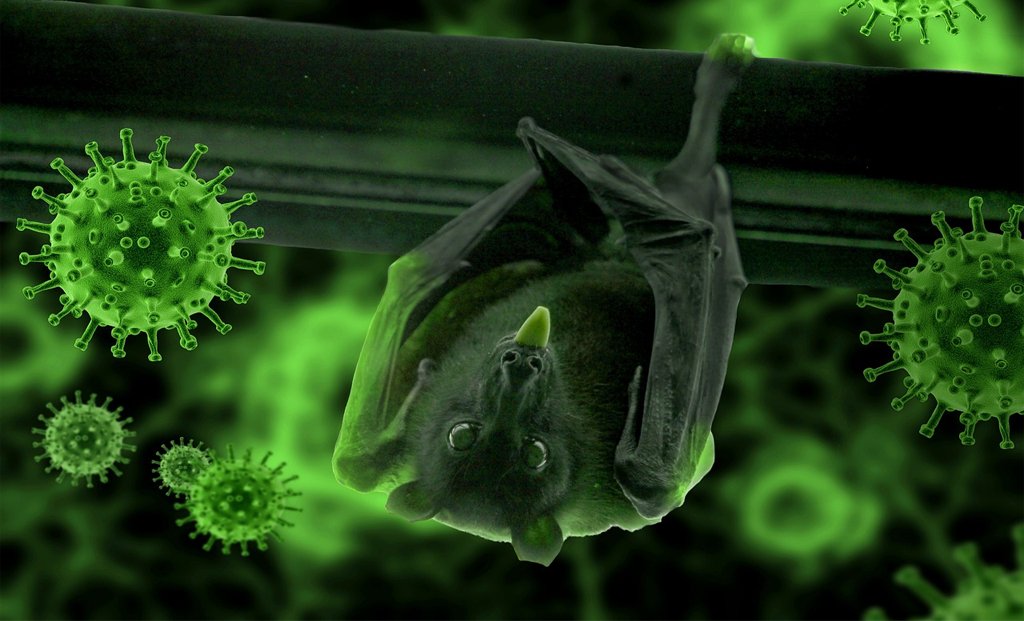
Natural reservoirs for Nipah virus are fruit bats (Pteropus species). These bats often carry the virus without falling ill, allowing it to persist in the environment. Humans become infected when they come into direct or indirect contact with bat secretions, contaminated food, or intermediate hosts like pigs.
How Nipah Virus Spreads
Nipah virus spreads through several routes:
- Animal-to-Human Transmission
- Consuming fruits or date palm sap contaminated with bat saliva or urine
- Handling infected animals, particularly pigs in earlier outbreaks
- Human-to-Human Transmission
- Close contact with infected patients
- Exposure to bodily fluids such as blood, saliva, urine, or respiratory secretions
Human-to-human transmission, although less efficient than COVID-19, has been documented in hospitals and households. This ability to spread between humans is a major reason Nipah is classified as a high-priority pathogen by WHO and the Coalition for Epidemic Preparedness Innovations (CEPI).
Previous Nipah Outbreaks in India
India has seen multiple outbreaks, primarily in Kerala:
- 2001 – Siliguri, West Bengal: 66 cases, 45 deaths
- 2007 – Nadia, West Bengal: 5 cases, 5 deaths
- 2018 – Kozhikode, Kerala: 19 cases, 17 deaths
- 2019 – Kerala: 1 confirmed case
- 2021 & 2023 – Sporadic cases reported in Kerala
The recurrence of Nipah outbreaks, often in the same regions, highlights a persistent ecological risk and underscores the importance of surveillance and rapid containment.
Symptoms and Clinical Presentation
Nipah infection can range from mild flu-like symptoms to severe neurological and respiratory illness:
- Early symptoms: Fever, headache, muscle aches, vomiting, sore throat
- Progressive symptoms: Dizziness, drowsiness, disorientation, mental confusion
- Severe cases: Acute encephalitis (brain inflammation), seizures, coma, respiratory distress
Patients may develop respiratory failure or multi-organ dysfunction, requiring intensive care. The incubation period ranges from 4 to 14 days, but delayed recognition can allow the virus to spread unnoticed.
Why Nipah Virus Is Considered High-Risk
Several factors make Nipah virus particularly concerning:
- High Mortality Rate
- Unlike seasonal flu or COVID-19, Nipah kills nearly half or more of those infected.
- Human-to-Human Transmission
- Limited but confirmed human-to-human transmission increases the risk of clusters and outbreaks.
- No Approved Vaccine
- Currently, there is no licensed vaccine or antiviral treatment for Nipah virus. Supportive care and intensive monitoring remain the mainstay of therapy.
- Potential for Mutation
- Each outbreak gives the virus an opportunity to adapt, increasing the theoretical risk of becoming more transmissible among humans.
Factors Driving Repeated Outbreaks in India
1. Ecological and Environmental Changes
Deforestation, urbanisation, and habitat encroachment bring humans into closer contact with bats. Fruit bats often feed in orchards, farms, and villages, increasing opportunities for spillover.
2. Seasonal Factors
Outbreaks in Kerala and West Bengal often occur during the harvest season, when date palm sap is collected. Unprotected sap can be contaminated by bat secretions, serving as a direct transmission route.
3. Cultural Practices
Consumption of raw or unprocessed date palm sap and close contact with livestock or wildlife increases exposure risk.
4. Health System Challenges
Early detection and isolation are critical. Delays in recognising cases and implementing infection control measures have historically amplified outbreaks, particularly in hospital settings.
Global Implications: Why the World Is Watching
Nipah virus is classified as a “Priority Pathogen” by WHO, meaning it has the potential to cause public health emergencies of international concern. While current outbreaks are largely contained, scientists warn:
- Cross-border spread is possible through travel
- Healthcare-associated clusters can rapidly increase case numbers
- High fatality means even small outbreaks are deadly
Experts also note that the virus’s ability to mutate could increase its transmissibility, raising pandemic fears similar to the early stages of COVID-19.
Lessons from Past Outbreaks
- Rapid containment saves lives: In Kerala, strict quarantine measures, contact tracing, and public awareness helped prevent the 2018 outbreak from spreading nationally.
- Hospital protocols are critical: Many human-to-human transmissions occurred in healthcare settings where personal protective equipment (PPE) was insufficient.
- Public awareness prevents exposure: Educating communities about avoiding raw date palm sap and contact with sick animals can significantly reduce risk.
Research and Vaccine Development
Scientists and pharmaceutical companies are actively researching Nipah virus vaccines and therapeutics:
- mRNA vaccines, similar to COVID-19 vaccines, are under development
- Viral vector vaccines targeting Henipaviruses show promise in animal models
- Monoclonal antibodies have shown protective effects in early trials
While these developments are promising, widespread availability may take years, emphasizing the importance of containment and prevention now.
How India Can Stay Ahead
- Enhanced Surveillance
- Continuous monitoring of bats, livestock, and humans in high-risk regions
- Early warning systems and rapid laboratory diagnostics
- Community Awareness
- Educating communities about avoiding contaminated food sources
- Promoting hygiene and safe handling of animals
- Hospital Preparedness
- Training healthcare workers in infection control
- Stockpiling PPE and isolation facilities
- Research Investment
- Supporting vaccine and antiviral development
- Studying virus ecology and transmission patterns
The Takeaway: Vigilance Is the Best Defense
Repeated Nipah outbreaks in India highlight a persistent threat with global implications. While the virus is not yet capable of triggering a pandemic, its high fatality rate, potential for human-to-human spread, and capacity to mutate make it a serious public health concern.
Public health experts stress that containment, early detection, and community education are essential to prevent small outbreaks from becoming global emergencies. The Nipah virus is a stark reminder that zoonotic diseases are not just a rural problem—they are a national and international security issue.
The Next Pandemic May Be Zoonotic
Nipah virus is proof that the next global health crisis could emerge from the interface between humans and wildlife. Protecting ecosystems, strengthening health systems, and investing in vaccines and antivirals are not optional—they are essential.
India’s repeated Nipah outbreaks serve as a warning: pandemic preparedness begins at the local level, but its implications are truly global.