

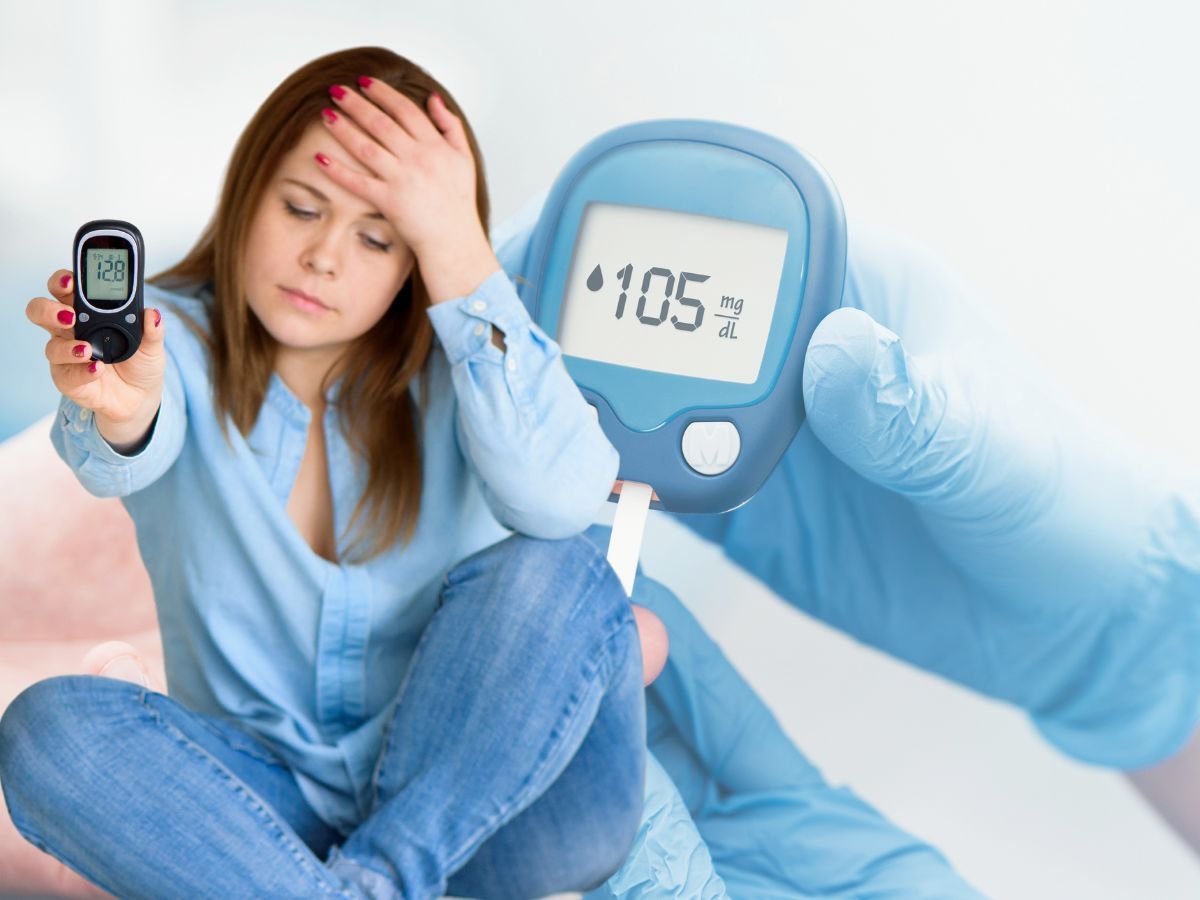
New Delhi, 13 July 2025: A new study has uncovered alarming insights into the unique cardiovascular risks faced by women living with type 2 diabetes, shedding light on how the condition may affect female patients differently than men. While diabetes is known to increase the risk of heart disease in all individuals, the findings show that women with type 2 diabetes are disproportionately affected by hidden and often underdiagnosed heart-related complications. These risks often remain silent until they escalate into severe issues such as heart attacks, strokes, or heart failure.
Researchers behind the study found that women with type 2 diabetes tend to develop subtler symptoms of heart disease, which can easily be mistaken for fatigue, indigestion, shortness of breath, or stress. Unlike men, who are more likely to experience classic chest pain or pressure during a cardiac episode, women may overlook the seriousness of their symptoms or receive a delayed diagnosis. This contributes to a dangerous pattern of late intervention and poorer cardiovascular outcomes in diabetic women, despite having comparable or even better control over blood sugar levels in some cases.
The study also highlights how hormonal differences, particularly the decline of estrogen after menopause, may increase susceptibility to heart damage in diabetic women. Estrogen plays a protective role in cardiovascular health, and its reduction combined with high glucose levels can damage blood vessels and increase inflammation. The presence of other conditions such as high blood pressure, obesity, and abnormal cholesterol levels—often seen alongside diabetes—further heightens heart-related risks in women, making their cardiac profile more complex and challenging to manage.
Another key concern revealed by the research is that women are less likely to be referred for heart health screenings, stress tests, or aggressive treatments such as angioplasty or bypass surgery. This gender gap in care often results in missed opportunities to detect and treat heart disease early. Moreover, many women are underrepresented in clinical trials for diabetes and heart disease, which means treatment protocols may not always reflect how medications or therapies affect them specifically.
Experts urge women with type 2 diabetes to be proactive in discussing heart health with their healthcare providers. Regular cardiovascular evaluations, including blood pressure monitoring, lipid profile tests, and ECGs, should be integrated into routine diabetic care. Women should also be vigilant about recognizing early warning signs of heart problems—even if they seem mild or unusual—and seek immediate medical attention if they experience persistent fatigue, unexplained shortness of breath, dizziness, jaw pain, or upper back discomfort.
Lifestyle modifications play a vital role in protecting the heart. Women are encouraged to follow a heart-healthy diet rich in vegetables, fruits, whole grains, and lean protein, and to reduce processed foods, sugars, and unhealthy fats. Incorporating regular physical activity, maintaining a healthy weight, managing stress, getting adequate sleep, and quitting smoking are essential steps for reducing cardiovascular risk. Managing blood sugar levels is just one part of the puzzle—focusing on overall heart health is equally critical.
This new research reinforces the urgent need for gender-sensitive approaches in managing type 2 diabetes. By recognizing the unique risks that women face, healthcare providers can offer more personalized and effective care. The takeaway is clear: women with diabetes must not only monitor their blood sugar but also prioritise their heart health, as the signs of danger may be silent but the consequences can be deadly if ignored.















Leave a comment