

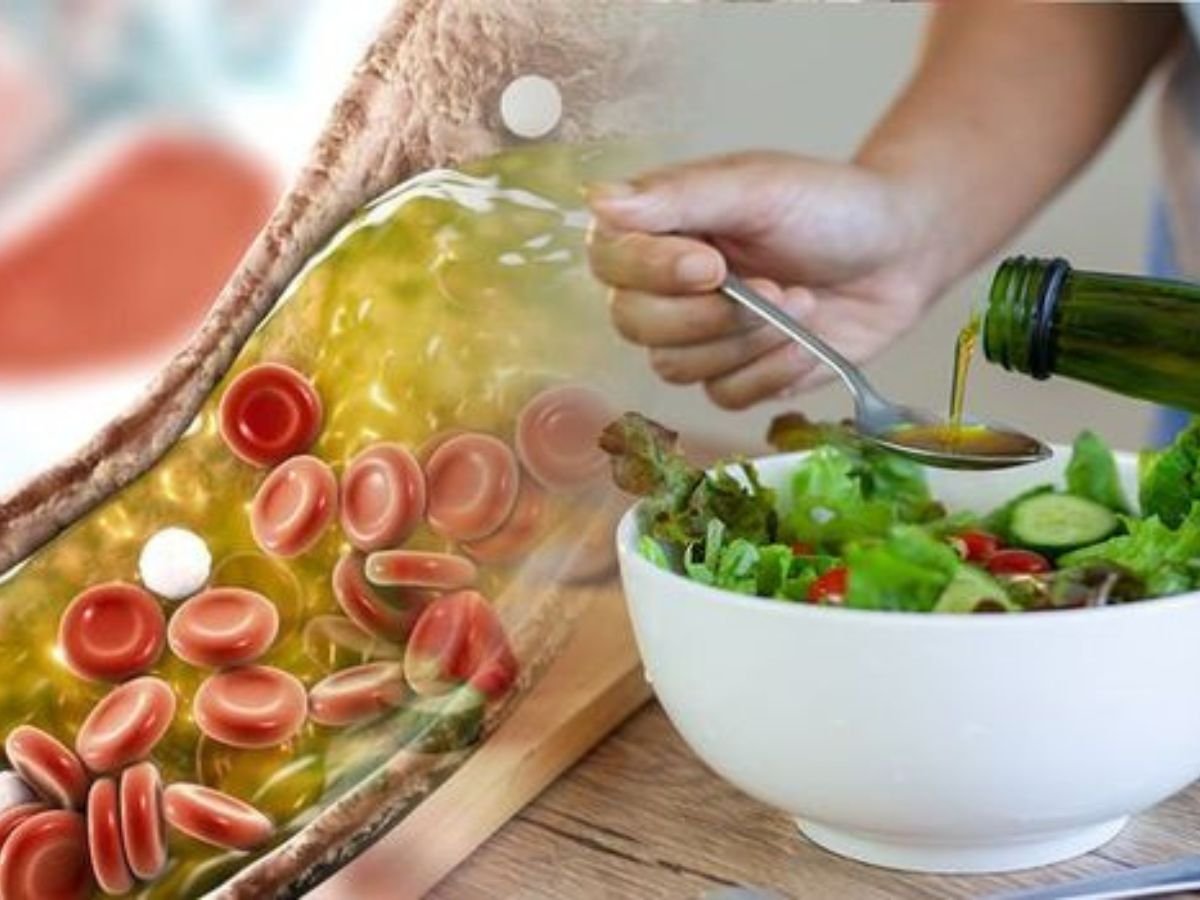
New Delhi, 03 September 2025: Good nutrition plays a vital role in the physical and mental development of children. The eating habits children build during their early years often shape their food choices for a lifetime. National Nutrition Week, observed every year from September 1 to 7, is a reminder to focus on balanced diets, healthy lifestyles, and mindful eating practices. This year’s theme emphasizes the importance of instilling nutritious habits in children to combat lifestyle diseases and ensure holistic growth.
To understand what healthy habits parents can teach kids, we spoke with paediatricians and nutrition experts who highlighted simple but impactful strategies for better child health.
Why Healthy Eating Habits Matter for Kids
Children today are surrounded by fast food, sugary snacks, and processed drinks. The easy availability of junk food, combined with busy lifestyles, has increased the risk of childhood obesity, nutritional deficiencies, and even early-onset diabetes. According to health experts, parents are the biggest role models in shaping kids’ diets. A child who grows up watching their parents eat fruits, vegetables, and home-cooked meals is more likely to follow the same practices.
Good nutrition in childhood:
- Strengthens immunity.
- Supports physical growth and bone development.
- Improves brain health, memory, and concentration.
- Reduces the risk of future health conditions like diabetes, heart disease, and obesity.
10 Healthy Eating Habits Parents Must Teach Kids
1. Eat Breakfast Daily
Skipping breakfast has become common among school-going children. But paediatricians stress that a nutritious breakfast fuels energy, supports brain function, and keeps children active throughout the day. Options like vegetable upma, poha, boiled eggs, oats, or fruit smoothies are quick and healthy.
2. Hydration Over Sugary Drinks
Children often reach for sodas, packaged juices, or energy drinks. These beverages are loaded with sugar and empty calories. Teach kids to prefer water, coconut water, or lemon water. You can also make infused water with fruits like orange and cucumber for a refreshing twist.
3. Balanced Meals With All Food Groups
Kids should learn the importance of eating a variety of foods. A balanced plate includes:
- Whole grains (rice, wheat, millets).
- Proteins (pulses, eggs, chicken, tofu).
- Fruits and vegetables.
- Dairy or calcium-rich alternatives.
Paediatricians suggest involving kids in meal planning to help them understand nutrition better.
4. Portion Control and Mindful Eating
Overeating, even with healthy food, can cause problems. Parents should teach children to eat slowly, chew well, and recognize when they are full. Avoid letting kids eat in front of the TV or mobile phones, as it leads to distracted eating and excess intake.
5. Limit Processed and Packaged Foods
Chips, biscuits, instant noodles, and fast food should be occasional treats, not daily meals. Instead of banning them completely (which can increase craving), explain why such foods are unhealthy and offer healthier alternatives—like baked snacks, homemade popcorn, or fruit chaat.
6. Introduce Fruits and Vegetables in Fun Ways
Many children are picky eaters, especially when it comes to vegetables. Parents can make meals fun by preparing colorful salads, smoothies, or sandwiches with hidden veggies. Involving kids in cooking—like peeling bananas or making fruit skewers—also increases interest.
7. Eat Together as a Family
Studies show that children who eat meals with family tend to consume more nutritious foods and develop healthier eating habits. Shared meals also provide bonding time and reduce dependence on processed snacks.
8. Choose Healthy Snacks
Snacking is a major part of a child’s diet. Instead of fried items, offer roasted chana, sprouts salad, boiled corn, yogurt with fruits, or dry fruits. These snacks provide energy and nutrients without harmful additives.
9. Respect Food and Avoid Waste
Teach children to take only what they can finish on their plate. Educating kids about food wastage and the importance of valuing meals helps them become mindful eaters.
10. Lead by Example
Children learn more by observing than by listening. If parents snack on chips and aerated drinks, kids will too. But if you show enthusiasm for fruits, salads, and healthy home-cooked meals, children are likely to copy those habits.
National Nutrition Week 2025 reminds us that building healthy eating habits in children is not just about what they eat, but also how they approach food. Parents need to focus on creating a positive food environment, where nutritious meals are encouraged, junk food is limited, and children learn to respect their body’s needs.
By teaching simple yet powerful habits—like eating balanced meals, staying hydrated, practicing portion control, and enjoying fruits and vegetables—parents can give their children a foundation for lifelong health.
Paediatricians agree: when nutrition is taught early, children not only eat better but also grow into healthier, more mindful adults.














Leave a comment