


New Delhi, 23 November 2024: Mpox is a viral zoonotic disease caused by the monkeypox virus, a member of the Orthopoxvirus genus. The disease was initially discovered in 1958 among laboratory monkeys, with the first human case recorded in the Democratic Republic of Congo in 1970. Traditionally considered endemic in certain African countries, mpox has recently surged into global prominence due to outbreaks in non-endemic regions.
Symptoms and Transmission
Mpox presents with symptoms such as fever, rash, swollen lymph nodes, and muscle aches. It spreads through close contact with infected individuals, bodily fluids, or contaminated objects, as well as respiratory droplets during prolonged face-to-face interaction. While the disease is typically self-limiting, severe cases can occur, particularly in immunocompromised individuals and children.
The Significance of the Declaration
The WHO’s declaration highlights just how serious the mpox outbreak is. By designating it a global health emergency, the organization emphasizes the urgent need for countries to work together in response. This isn’t just a label; it calls for nations to commit resources, ramp up surveillance, and take preventive actions. It’s a crucial reminder for governments and health organizations around the world to elevate mpox on their list of health priorities.
Understanding Mpox
Mpox, formerly known as monkeypox, is a viral disease that typically affects animals but can spread to humans. Symptoms include fever, a rash, and swollen lymph nodes, which can lead to serious complications. While mpox is endemic in certain areas, recent outbreaks have raised concerns about its spread to new regions, making it essential to understand how the virus behaves and how it transmits between hosts for effective prevention and control.
The Current Situation
Currently, we see reports of the mpox outbreak in numerous countries, with a worrying number of cases cropping up in areas that had previously remained untouched. The WHO’s emergency declaration signifies the growing number of infections and the risk of further transmission. Healthcare systems are feeling the strain to address this emerging challenge, and the urgency of the circumstances cannot be dismissed. This situation highlights the need for strong healthcare systems that can handle infectious disease threats effectively.
Why the Ongoing Emergency?
The WHO’s decision to keep the emergency status active is grounded in a few key factors. Firstly, the spread of mpox has been concerning, with clusters appearing globally. Secondly, the risk of the virus mutating is significant, as new variants could complicate treatment and prevention strategies. Lastly, the pandemic has left many health systems worldwide vulnerable, making it essential to stay alert against mpox.
Global Response and Collaboration
Given the WHO’s announcement, international collaboration is crucial now more than ever. Countries need to join forces to share information, resources, and strategies aimed at tackling the mpox outbreak. Governments, international health organizations, and nonprofits must coordinate their efforts to ensure better surveillance, vaccination drives, and awareness campaigns. A united approach will be key to controlling the disease’s spread and protecting at-risk communities.
The Role of Vaccination
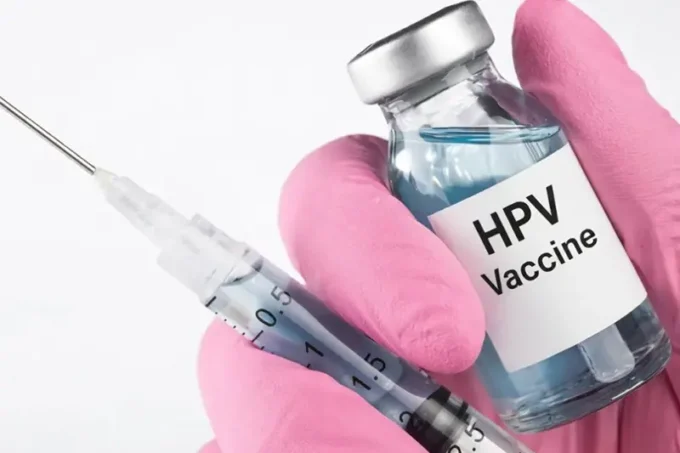
Vaccination is vital to controlling outbreaks of mpox. The WHO stresses the importance of immunizations, particularly for those in high-risk groups. By increasing vaccine coverage, countries can effectively reduce virus transmission and protect public health. Health officials are encouraged to prioritize the equitable distribution and accessibility of vaccines so that everyone who needs it has access.
Raising public awareness is essential during health crises. The WHO urges governments and health organizations to educate communities about mpox, including its symptoms and how to prevent infection. By doing so, individuals can take steps to protect themselves and others. Awareness initiatives should focus on debunking myths, promoting safe practices, and advising people to seek medical attention if they experience symptoms.
The WHO’s decision to declare the mpox outbreak a continuing global health emergency is a reminder of the complexities and challenges of managing emerging infectious diseases in an interconnected world. While progress has been made in controlling the outbreak, significant gaps remain in vaccine equity, public awareness, and healthcare infrastructure.
Addressing these challenges requires a coordinated global effort, rooted in solidarity, equity, and innovation. By learning from the lessons of the mpox outbreak, the international community can strengthen its capacity to respond to current and future health emergencies, ensuring a safer and healthier world for all.













Leave a comment