Home Experts Opinion More Than 100,000 Cancer Cases Likely To Go Undiagnosed Every Month During The Pandemic
Experts OpinionSpotlight

More Than 100,000 Cancer Cases Likely To Go Undiagnosed Every Month During The Pandemic

Share
Share

Approximately 1,00,000 cancer cases are likely to go undiagnosed every month in India in the midst of the coronavirus pandemic, and the figures could change depending on travel restrictions and lack of easy transport availability, according to a paper published in the Asia Pacific Journal of Oncology Nursing.

During the Covid 19 Age, the paper—Cancer care delivery challenges in India: Are we prepared for the post-pandemic shock? —inferred that the pandemic would potentially lead to worsening of the disease in cancer patients, advanced diagnosis, and thereby adverse effects on patient outcomes.

The paper was written jointly by doctors from All India Institute of Medical Sciences, New Delhi, Lady Hardinge Medical College (LHMC) and Smt Sucheta Kriplani Hospital (SSK) Hospital, Sitaram Bhartia Institute of Science and Research and researchers from USA and UK.

The paper noted that most cancer patients living in rural areas are usually forced to travel to major cities to obtain adequate care.

Challenges in Lung Cancer Care

Current challenge is to balance the risk of admission to the hospital with the possible risk of a coronavirus exposure, which could have an emotional impact on patients and medical staffs also.

Chemotherapy sessions, radiotherapy, palliative care, follow-ups etc. have been significantly affected. Even diagnosis is delayed as bronchoscopy and other interventional procedures have been deferred. In addition, the nationwide lockdown has restricted access to transport and flight services.

Patients in rural parts are suffering significantly. Effect of all this on the outcome of the disease is creating anxiety and distress among patients. Limited availability of intensive care facilities because of COVID-19 patient’s needs has further put
the strain on the care of such patients even if aggressive curative treatment in the form of surgical resection is required.

Cancer That Went Undetected During The Pandemic An ‘Impending Disaster’

Dr. Abhishek Shankar, Department of Radiation Oncology, LHMC, and lead author of the paper, said that this pandemic has broadened the disparities in inequalities and disparity in care delivery associated with insufficient cancer care infrastructure that can not accommodate the current cancer burden.

Currently, no data are available on the number of cancer patients affected by covid 19 in India, but the care of cancer patients has definitely been stalled, according to public health experts.

The number of people diagnosed with cancer worldwide reached 19.3 million in 2020 with the number of people dying rising to 10 million.

According to the WHO, there were 2.3 million new cases of breast cancer in 2020, accounting for almost 12% of all cancer cases. It is also the leading cause of cancer death among women worldwide.

Patient Needs during Crisis

Ensuring the safety of patients with effective care is most important. The stress, anxiety and fear of disease progression due to treatment interruption are a constant cause of psychological distress in lung cancer patients. Counselling by treating physician and measures like being physically active, taking a healthy and balanced diet and maintaining good sleep can alleviate the distressing symptoms. Other important measures include peaceful mind strategies, social connectivity and avoiding misleading information. Virtual meetings of societies and cancer support groups are other sources of encouragement and mental support during a pandemic.

(Paper was written jointly by Dr Abhishek Shankar along with Drs Sachidanand Jee Bharati, Wasimul Hoda, Abhinav Kumar, Sanjay Kumar and Chandrashekhar Choudhari)


Share

Leave a comment

Leave a Reply

Your email address will not be published. Required fields are marked *

Don't Miss

Latest News

5 Common Foods That Are Slowly Damaging Your Liver

The liver is one of the most vital organs in the body, responsible for detoxification, metabolizing nutrients, and regulating essential biochemical processes, and...

Latest News

How Stress Is Affecting Your Immunity—and What You Can Do About It

Chronic stress has a profound and often underestimated impact on the immune system, influencing the body’s ability to fight infections, heal wounds, and...

Latest News

Why Sleep Deprivation Is the Hidden Cause of Weight Gain and Fatigue

Sleep deprivation is increasingly recognized as a major but often overlooked factor contributing to weight gain and persistent fatigue, and understanding its effects...

Foods For Heart Health
Latest News

10 Morning Habits That Can Lower Your Risk of Heart Disease

Starting your day with healthy habits can have a significant impact on your long-term heart health, and adopting certain morning routines may help...

Latest News

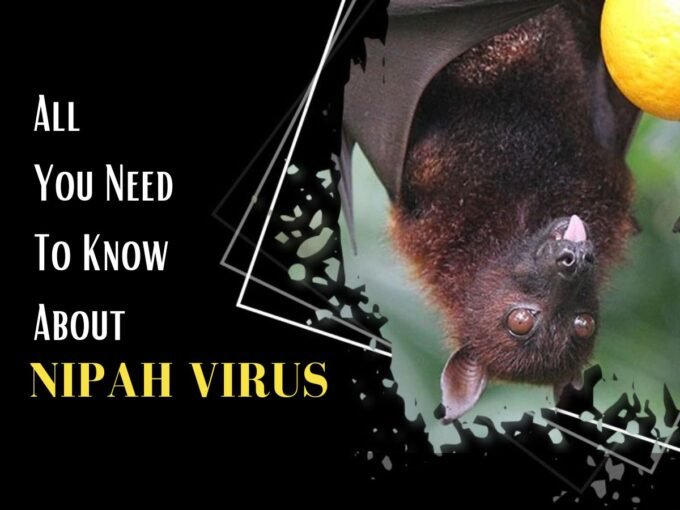
Nipah Virus Infection in India 2026: WHO Updates, Symptoms, Risks, and Safety Measures

On 26 January 2026, the World Health Organization (WHO) was notified by India’s National IHR Focal Point of two confirmed cases of Nipah...

Section title

Related Articles
The Nipah virus is considered one of the deadliest zoonotic infections globally, not because it spreads rapidly like influenza or COVID-19, but because of its extremely high fatality rate, rapid progression, and severe brain involvement. Medical experts warn that once symptoms escalate, the disease can turn fatal within days. According to available data, the case fatality rate of Nipah virus ranges between 50 and 75 per cent, placing it among the most lethal viral infections known to humans. In this explainer, Dr Dip Narayan Mukherjee, Consultant – Microbiology and Infectious Diseases, CK Birla Hospitals, CMRI, sheds light on why the virus is so dangerous and difficult to control. Why Is the Nipah Virus So Deadly? According to Dr Mukherjee, Nipah’s lethality lies in a combination of delayed symptom recognition, aggressive disease progression, and early involvement of the brain. “Nipah virus often begins with very non-specific symptoms, which makes early detection difficult. By the time it is clinically suspected, the virus may have already affected the brain,” he explains. Early Symptoms Often Go Unnoticed One of the biggest challenges in controlling Nipah virus is that its initial symptoms closely resemble common viral illnesses, leading to delays in diagnosis and isolation. Early symptoms include: Fever Headache Cough Muscle pain General weakness “These symptoms are easily mistaken for flu, viral fever, or respiratory infections,” says Dr Mukherjee. “This delay gives the virus time to progress silently.” Severe Brain Infection Drives High Mortality The most dangerous aspect of Nipah virus infection is its neurological involvement. The virus frequently causes encephalitis, or inflammation of the brain, which significantly increases the risk of death. Neurological symptoms may include: Seizures Confusion and altered consciousness Extreme drowsiness Coma “Once the central nervous system is involved, the disease becomes very difficult to manage,” Dr Mukherjee notes. “At this stage, treatment is largely supportive because there is no specific antiviral therapy available.” This lack of targeted treatment options makes early detection critical. Human-to-Human Transmission Raises Risk While Nipah virus is primarily transmitted from fruit bats, it can also spread from person to person, particularly in healthcare settings. Dr Mukherjee points out that: Caregivers and healthcare workers are at higher risk Exposure to high viral loads can worsen outcomes Inadequate infection control increases transmission risk “Strict adherence to infection control practices is essential. Even a small lapse can result in secondary infections,” he says. Zoonotic Nature Makes Exposure Hard to Predict Nipah virus is transmitted from fruit bats, either directly or through intermediate hosts such as pigs. This zoonotic pattern makes outbreaks unpredictable, especially in regions where humans, animals, and wildlife interact closely. Adding to the challenge: There is no approved vaccine Treatment options remain limited Isolation protocols must be strictly enforced What Can Reduce Nipah Fatalities? According to experts, early action remains the most effective defence against Nipah virus. Key measures include: Early isolation of suspected cases Strict use of personal protective equipment (PPE) Rapid escalation and referral to specialised centres Strong hospital infection control protocols “The earlier the virus is identified and contained, the better the chances of preventing severe disease and fatalities,” Dr Mukherjee emphasises. The Bottom Line Nipah virus continues to be a serious public health threat because of its high fatality rate, neurological complications, and lack of targeted treatment. Its ability to masquerade as a mild illness in the early stages makes vigilance crucial. Health experts stress that awareness, early suspicion, and strict infection control are currently the most powerful tools to reduce deaths linked to this deadly virus. As Dr Mukherjee concludes, “With Nipah, time is the most critical factor. Early recognition can save lives.”
Exclusive SectionExperts OpinionHealth News

Is India Prepared for the Next Nipah Outbreak? Experts Weigh In | EXCLUSIVE

India has faced sporadic outbreaks of the Nipah virus over the past...

Experts OpinionLatest News

Is It Safe To Take Blood Pressure Medicines On An Empty Stomach? What Doctors Recommend

New Delhi, 01 October, 2025: Managing high blood pressure (hypertension) often requires...

Vaginal Infections: 7 Warning Signs of an Unhealthy Vagina Every Woman Should Know About
Lifestyle & WellnessSpotlight

Vaginal Infections: 7 Warning Signs of an Unhealthy Vagina Every Woman Should Know About

Becoming familiar with the 7 tell-tale signs of vaginal infections is essential...

×