

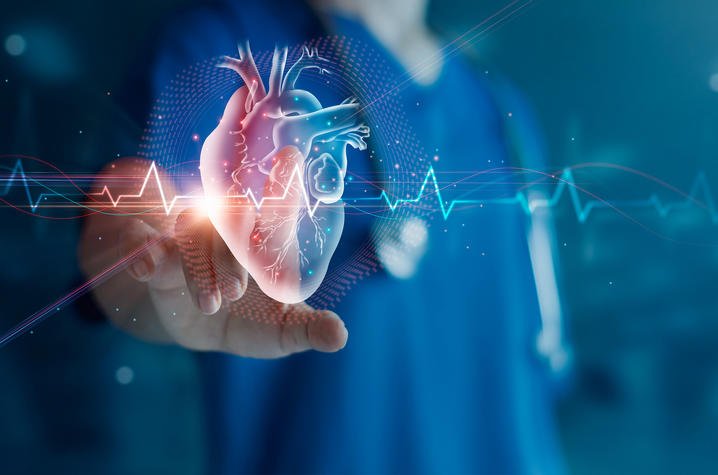
New Delhi, 28 September, 2025: When people experience pain, cramping, or numbness in their legs, the most common assumption is that it must be arthritis, nerve issues, or simple muscle fatigue. However, cardiologists warn that in many cases, these symptoms can actually be early signs of heart disease—specifically, poor circulation caused by blocked arteries. Ignoring these subtle signals can put your heart, brain, and overall health at risk.
This article explores the hidden connection between leg pain and cardiovascular health, why it is often mistaken for arthritis, and the preventive measures that can help save lives.
The Hidden Connection Between Leg Pain and Heart Disease
Leg pain and numbness, especially when triggered during walking or climbing stairs, can be symptoms of peripheral artery disease (PAD). PAD occurs when fatty deposits build up in the arteries supplying blood to the legs, reducing circulation. Since PAD is caused by the same underlying process—atherosclerosis—that leads to heart attacks and strokes, it is considered a red flag for overall cardiovascular health.
Doctors emphasize that PAD and heart disease often coexist, meaning that pain in your legs may be your body’s way of signaling problems with your heart before more severe complications arise.
Why It’s Often Mistaken for Arthritis
Many patients, especially older adults, assume that leg pain is caused by arthritis, muscle weakness, or aging. Unlike arthritis, which primarily affects the joints, PAD-related pain usually appears during activity and eases with rest. This pattern is known as intermittent claudication.
Unfortunately, the overlap of symptoms leads to delayed diagnosis. While arthritis is painful, it does not pose the same life-threatening risks that untreated heart disease does. That’s why cardiologists urge people not to dismiss leg pain as “just aging.”
Key Warning Signs to Watch For
If you notice these symptoms, you should consult a doctor immediately:
- Cramping or pain in the calves, thighs, or hips while walking that improves with rest.
- Numbness or weakness in the legs that persists or worsens over time.
- Coldness in the lower leg or foot, especially compared to the other side.
- Sores or wounds on the legs or feet that heal slowly.
- Change in skin color (pale, bluish, or shiny).
- Weak or absent pulse in the legs or feet.
These signs may indicate restricted blood flow—a condition that not only affects mobility but also significantly increases the risk of heart attack or stroke.
Risk Factors That Make You More Vulnerable
Certain groups are more at risk of developing PAD and heart-related leg pain:
- Smokers – tobacco damages blood vessels and accelerates plaque buildup.
- People with diabetes – high blood sugar injures arteries and nerves.
- Individuals with high blood pressure or cholesterol.
- Those with a family history of heart disease.
- People over 50, especially men.
Even young adults with poor lifestyle habits—smoking, sedentary behavior, or unhealthy diets—are increasingly being diagnosed with PAD.
How Doctors Diagnose the Issue
When leg pain raises concern, cardiologists typically recommend:
- Physical exam to check pulses in the legs.
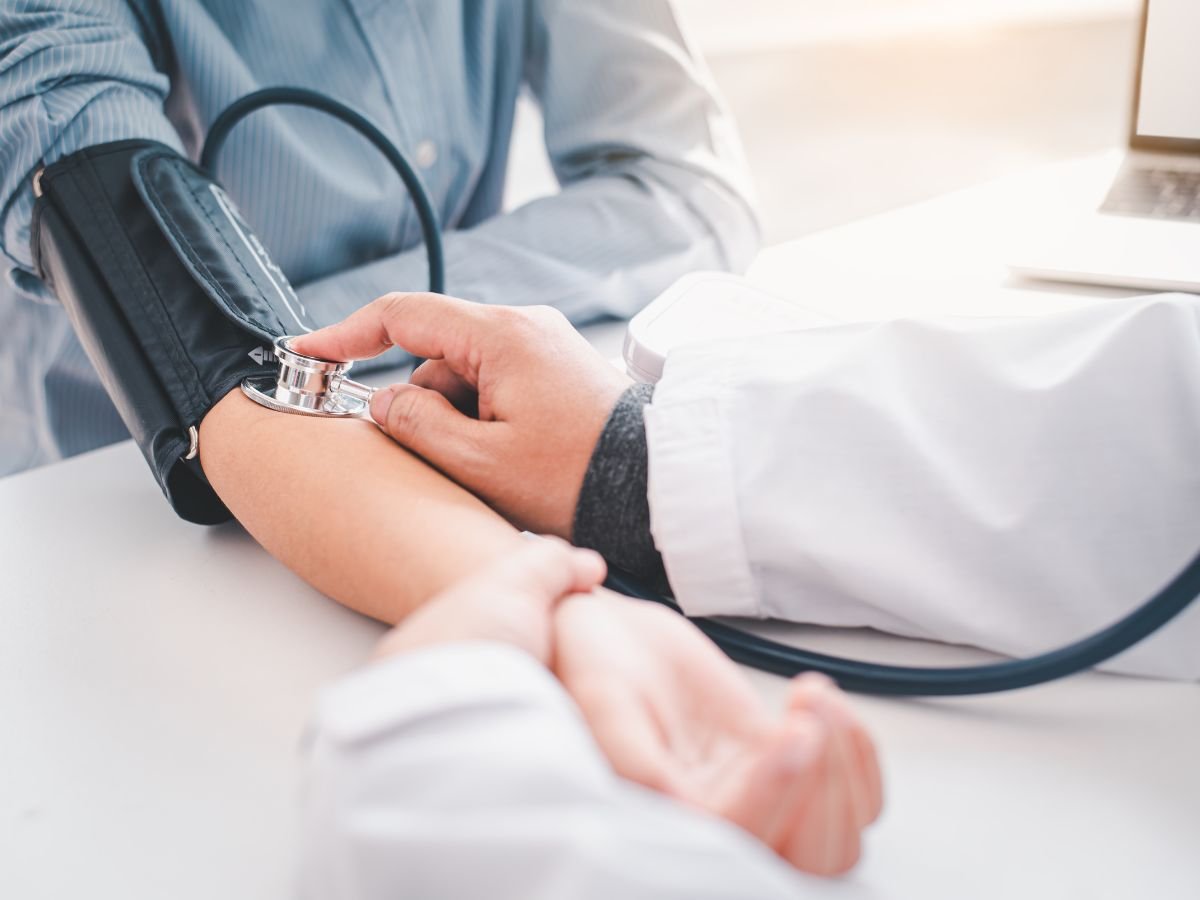
- Ankle-Brachial Index (ABI) – a simple test comparing blood pressure in the ankle and arm.
- Doppler ultrasound to assess blood flow in leg arteries.
- Angiography or CT scans in advanced cases.
These diagnostic tools help differentiate between arthritis-related pain and circulation problems.
Potential Complications if Ignored
If PAD-related pain is overlooked or mistaken for arthritis, the consequences can be severe:
- Higher risk of heart attack and stroke.
- Critical limb ischemia, where blood flow becomes so restricted that tissue starts dying.
- Amputation in extreme cases due to gangrene.
The danger is not just losing mobility, but losing life itself. This makes early recognition and treatment absolutely vital.
Treatment Options: How Doctors Manage It
Once diagnosed, treatment may involve lifestyle changes, medications, or procedures.
1. Lifestyle Modifications
- Quit smoking immediately.
- Exercise regularly (walking programs are highly effective).
- Adopt a heart-healthy diet rich in vegetables, lean proteins, and whole grains.
- Maintain a healthy weight.
2. Medications
- Cholesterol-lowering drugs (statins).
- Blood pressure medications.
- Antiplatelet drugs (aspirin, clopidogrel) to prevent clots.
3. Medical Procedures
- Angioplasty and stent placement to open blocked arteries.
- Bypass surgery in severe cases.
Prevention: Protecting Your Heart and Legs
Preventing PAD and related heart disease starts with healthy daily habits:
- Get regular cardiovascular screenings after age 40.
- Monitor blood pressure, sugar, and cholesterol levels.
- Stay active—at least 30 minutes of brisk walking 5 days a week.
- Avoid processed foods high in salt and trans fats.
- Practice stress management techniques like yoga and meditation.
The Mental Health Connection
Chronic leg pain and mobility issues can also affect emotional well-being, leading to anxiety and depression. Early diagnosis not only prevents serious complications but also improves quality of life, independence, and mental health.
Leg pain and numbness may seem like minor annoyances, but they can be your body’s alarm system, alerting you to serious cardiovascular problems. While arthritis is a common cause of joint pain, cardiologists caution that overlooking circulation-related pain can be fatal. Peripheral artery disease is not just a leg problem—it’s a window into your overall heart health.
The key is awareness: if you or a loved one experience unexplained leg pain, cramping, or numbness, don’t dismiss it as aging or arthritis. Seek medical advice promptly. Early detection and treatment can not only save your legs but also your life.












Leave a comment