

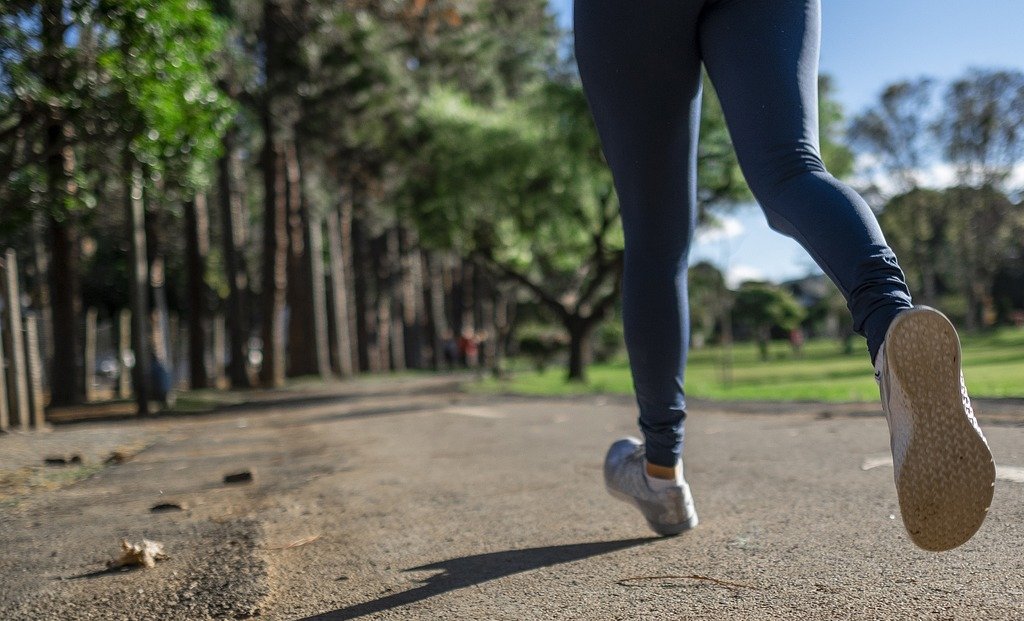
A new report titled State of Sports and Physical Activity in India highlights a concerning trend: around 155 million Indian adults and 45 million adolescents are not getting enough physical activity. The report, based on a survey of 5,000 people, provides an in-depth look at the physical activity habits of different demographics across India, including rural and urban areas.
The report was published by Dalberg Advisors, a strategic consulting firm, and the Sports and Society Accelerator (SSA). It calls for urgent action to promote physical activity and sports participation, stressing the health and economic impacts of inactivity.
Physical Inactivity in India
While some people in India are physically active, most only engage in basic activities like walking. Although walking is good for health, it alone doesn’t meet the WHO guidelines for proper physical activity.
Only 10% of Indian adults participate in sports, and the number of regular players is even smaller. The situation is a bit better among adolescents, with 66% playing sports, but half of the boys stick to cricket. Additionally, one-third of active people miss out on the benefits of exercising outdoors, while two-thirds never participate in group activities, losing valuable social connections.
Gender Inequality in Physical Activity
The report also sheds light on the gender gap in physical activity. Women and girls in India are much less active than men and boys. In cities, this gap is particularly noticeable. One-third of girls in urban areas do not meet the recommended activity levels. Misunderstandings about menstruation and pregnancy also restrict women’s participation in physical activities.
Urban women face greater challenges compared to their rural counterparts. They spend 385 fewer active minutes per week than women in rural areas, and 249 fewer than urban men. Concerns about safety, lack of facilities, and poor infrastructure prevent many women from using public spaces for exercise. Only 20% of women are active in public spaces.
The Economic Impact of Inactivity
This widespread inactivity could lead to serious health and economic consequences for India. By 2047, the country could see an additional 200 million cases of non-communicable diseases (NCDs) and 45 million more obese adolescents, resulting in healthcare costs surging by Rs 55 trillion annually.
On the other hand, increasing physical activity in the country could contribute Rs 15 trillion to the economy each year, save Rs 30 trillion in healthcare costs, and prevent Rs 2.5 trillion in productivity losses. Furthermore, it could empower 11 million girls, create 600,000 women leaders in sports, and boost spending on sports by Rs 4.5 trillion.
The report emphasizes the need for a gender-inclusive approach to promote sports and physical activity, especially for women and girls, to enhance India’s global sports profile and improve overall health.















Leave a comment