

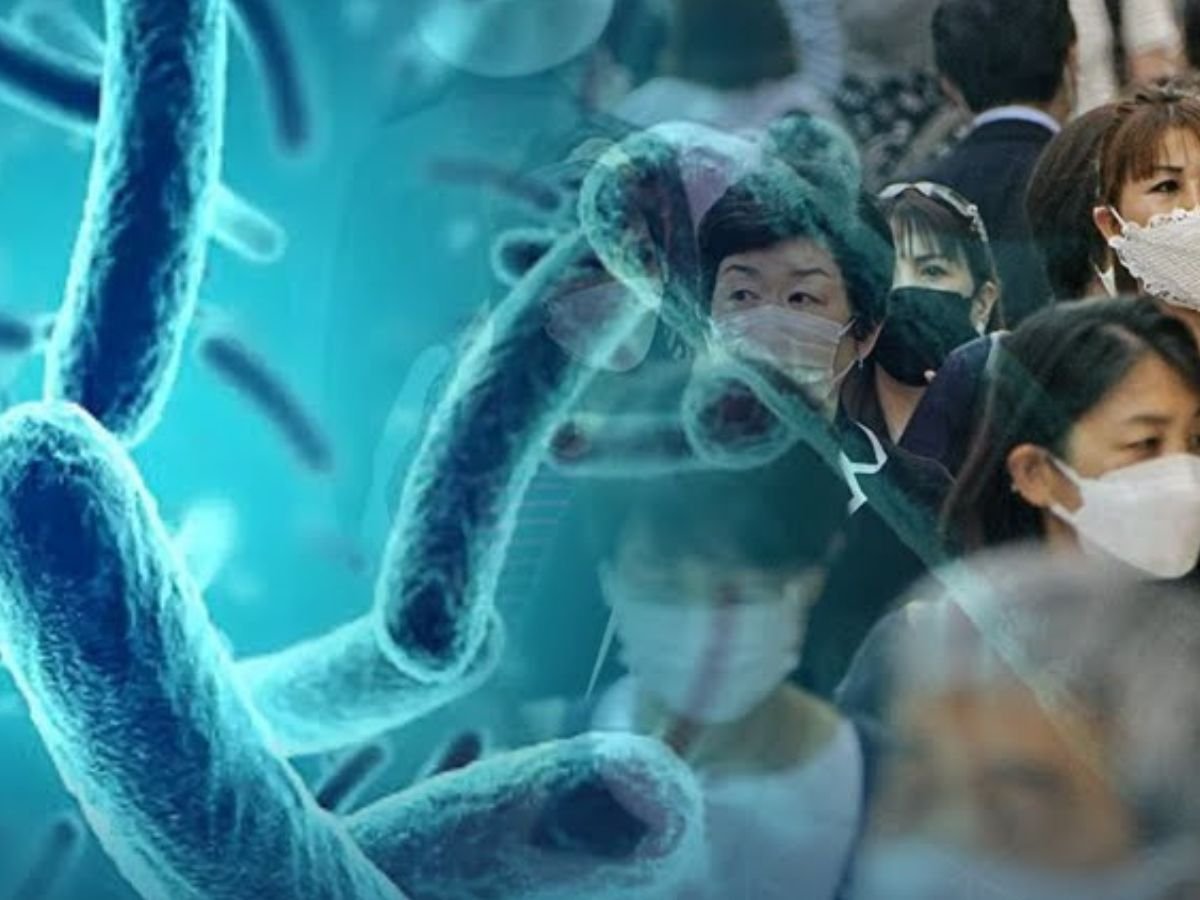
Streptococcal toxic shock syndrome (STSS), a deadly bacterial infection, is spreading over Japan and raising questions regarding its origin and prevention. As of June 2, Japan’s National Institute of Infectious Diseases recorded 977 cases, over the 941 total from previous year. This is substantially more than the 395 cases recorded thus far this year in the United States.
Japan Flesh Eating Virus Outbreak: What You Need To Know
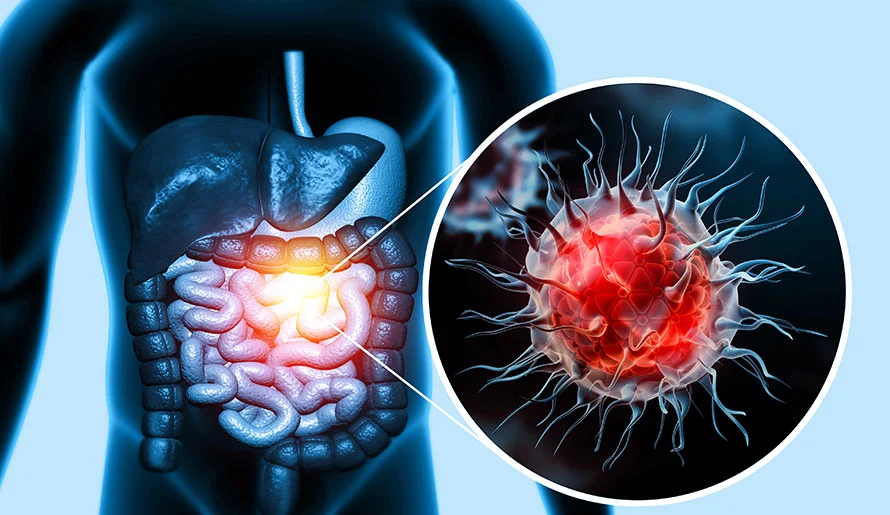
Flesh-eating bacterial infections, otherwise known as necrotizing fasciitis, seldom occur but are severe enough to rapidly devastate skin, muscle, and other soft tissues. Infections of this type generally stem from the bacteria known as Group A Streptococcus and manage to invade our bodies via an open wound, leading to the release of toxins and subsequent damage to the surrounding tissues.
The CDC characterizes STSS as a rare but serious infection that might quickly turn fatal. Fever, chills, muscular aches, nausea, and vomiting are among the first signs; limb pain and edema follow. Low blood pressure can occur 24 to 48 hours later and might cause organ failure, higher heart rate, and quick breathing. With a death rate of up to 30%, the CDC emphasizes that STSS can be lethal even under treatment.
Toxins from Streptococcus pyogenes, sometimes known as Group A Streptococcus (GAS), induce STSS and also aggravate sore throats and skin diseases.
The Possibility of an Indian Outbreak
With rising panic over Japan’s brush with the flesh-eating bacterial outbreak, many are questioning if India might fall victim to a similar predicament. Although India and Japan share environmental aspects like high humidity in certain regions, their risk variances are quite significant.
India’s varying weather conditions and topography can influence the incidence of bacterial infections. Certain regions could be more susceptible to outbreaks due to specific environmental influences. Differing healthcare systems, sanitation, and public health policies can also play a role in the spread and control of such diseases.







Leave a comment