

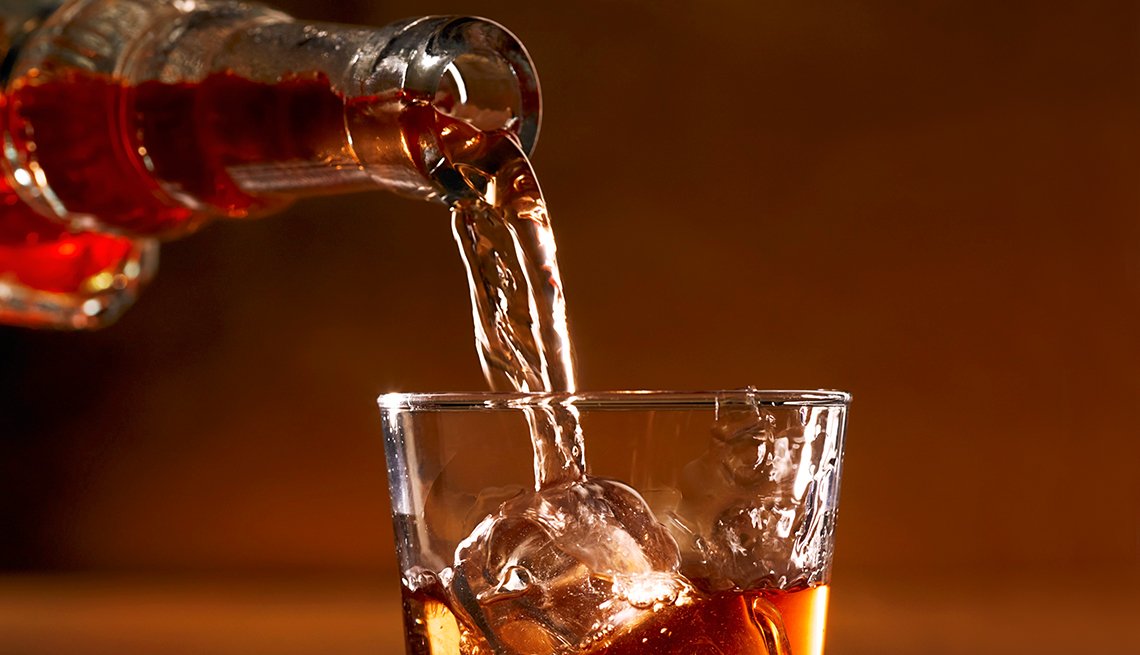
New Delhi, 05 November, 2025: When you’re prescribed antibiotics, it usually means your body is fighting an infection and needs help from medication to recover. But during that recovery, many people wonder — is it really that bad to smoke a cigarette or have a drink while on antibiotics?
While an occasional drink or puff might seem harmless, combining antibiotics with alcohol or smoking can interfere with your treatment, reduce the medicine’s effectiveness, and even cause harmful side effects. In some cases, the combination can lead to serious liver damage or dangerous reactions.
Here’s what medical experts want you to know about why mixing antibiotics with alcohol or cigarettes isn’t worth the risk — and how these habits can slow your recovery.
How Antibiotics Work
Antibiotics are designed to fight bacterial infections by killing harmful bacteria or preventing them from multiplying. Your immune system then clears out the remaining bacteria, helping you recover.
However, antibiotics are delicate drugs that depend on your body’s metabolism, hydration, and immune response to work effectively. Anything that disrupts these processes — such as alcohol or tobacco — can undermine the drug’s effectiveness or make side effects worse.
Alcohol and Antibiotics: A Dangerous Mix
It’s a common myth that alcohol completely cancels out antibiotics. While this isn’t true for every antibiotic, drinking alcohol can interfere with how your body absorbs and processes the drug.
Here’s how alcohol interacts with antibiotics and your body:
- Liver overload: Both alcohol and many antibiotics are metabolized in the liver. Drinking while taking antibiotics doubles the strain on this vital organ, slowing down drug breakdown and increasing the risk of liver inflammation or toxicity.
- Reduced effectiveness: Alcohol can alter how antibiotics are absorbed in your stomach and intestines, reducing their concentration in your bloodstream.
- Dehydration and fatigue: Alcohol causes dehydration and weakens the immune system — two things your body needs to fight infection effectively.
- Increased side effects: Drinking can worsen antibiotic side effects such as nausea, vomiting, dizziness, or stomach cramps.
Even small amounts of alcohol can make antibiotic treatment less effective and prolong your recovery.
Certain Antibiotics That Should Never Be Mixed with Alcohol
Some antibiotics cause particularly severe reactions when combined with alcohol. This effect, called a disulfiram-like reaction, can cause the body to have a violent physical response.
You should completely avoid alcohol if you are taking:
- Metronidazole (Flagyl)
- Tinidazole (Tindamax)
- Cefotetan or Cefoperazone (certain cephalosporins)
- Linezolid (used for resistant infections)
Mixing alcohol with these medications can cause:
- Severe nausea and vomiting
- Flushing and rapid heartbeat
- Low blood pressure
- Shortness of breath
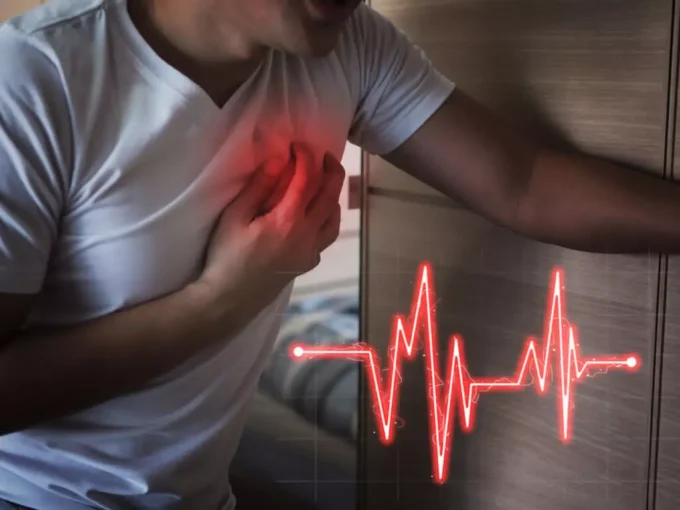
- Chest pain and fainting
Even using alcohol-containing mouthwash or cough syrups can trigger this reaction, so read labels carefully.
How Long Should You Wait Before Drinking Alcohol Again?
Doctors generally recommend waiting at least 48 to 72 hours after finishing antibiotics before drinking alcohol. This gives your body time to completely metabolize the medicine and reduces the risk of adverse interactions.
If your infection was in the liver, kidneys, or urinary tract, it’s wise to wait even longer — at least a week — since these organs are still recovering and are more sensitive to toxins.
Smoking While on Antibiotics: A Double Burden for Your Body
Smoking cigarettes may not cause an immediate chemical reaction with antibiotics like alcohol does, but it can seriously interfere with your recovery and slow down how your body heals.
Here’s why smoking and antibiotics don’t mix well:
- Weakened immune system: Nicotine and other chemicals in tobacco suppress immune cells, making it harder for your body to fight infection.
- Reduced blood oxygen levels: Smoking limits oxygen supply to tissues, delaying healing and reducing how well antibiotics reach infected areas.
- Inflammation and mucus buildup: Cigarette smoke irritates the respiratory tract, worsening infections like bronchitis, sinusitis, and pneumonia.
- Drug metabolism interference: Smoking accelerates certain liver enzymes that break down antibiotics, reducing the drugs’ concentration in your system.
In short, smoking can make your antibiotics less effective and prolong the illness you’re trying to recover from.
Antibiotics and the Liver: Why Combining Them with Alcohol or Smoking Is Dangerous
Your liver is the body’s detox powerhouse — it processes both medications and alcohol. When you combine antibiotics with alcohol or nicotine, the liver has to work overtime.
Some antibiotics, such as amoxicillin-clavulanate, erythromycin, and isoniazid, already carry a small risk of liver irritation. Adding alcohol to the mix can cause hepatotoxicity (liver damage) or hepatitis-like symptoms, such as:
- Jaundice (yellowing of the skin or eyes)
- Fatigue and weakness
- Nausea and vomiting
- Upper right abdominal pain
- Dark urine
In severe cases, this combination can lead to acute liver failure, a medical emergency.
Can Alcohol Reduce the Effect of All Antibiotics?
Not all antibiotics interact equally with alcohol. For example, small amounts of alcohol may not directly affect the action of penicillin or azithromycin. However, even when a direct chemical interaction doesn’t occur, alcohol still weakens the immune system and slows recovery, defeating the purpose of treatment.
So, even if a specific antibiotic isn’t chemically reactive with alcohol, your overall healing still suffers.
What About Occasional or “Moderate” Drinking?
Some people assume one glass of wine or beer won’t hurt. While moderate alcohol may not cause a serious reaction in all cases, it can still:
- Make side effects like dizziness or drowsiness worse
- Dehydrate you
- Slow the body’s ability to fight infection
If you’re sick enough to need antibiotics, your body needs rest, hydration, and strong immunity — not another toxin to process.
Smoking, Alcohol, and Respiratory Infections
If you’re taking antibiotics for a respiratory infection, the impact of smoking or drinking is even greater.
- Smoking further irritates airways, causing persistent coughing and delaying recovery from bronchitis, pneumonia, or sinus infections.
- Alcohol dries out mucous membranes, impairing the body’s natural defense barriers against bacteria and viruses.
In both cases, recovery time increases, and the risk of complications — such as chronic bronchitis or antibiotic resistance — goes up.
What Happens If You Ignore These Warnings?
Combining alcohol or smoking with antibiotics doesn’t just make you feel worse — it can also lead to treatment failure. When antibiotics aren’t properly absorbed or metabolized, bacteria may survive and develop resistance.
This means the same antibiotic might not work if you get infected again in the future. You could end up needing stronger, more expensive drugs — or even hospitalization.
Safer Habits During Antibiotic Treatment
To ensure antibiotics work effectively and your recovery is smooth, follow these guidelines:
- Avoid all forms of alcohol (beer, wine, liquor, even mouthwash).
- Do not smoke or vape — nicotine reduces antibiotic efficacy and slows healing.
- Take your full antibiotic course as prescribed — never skip doses, even if you start feeling better.
- Stay hydrated — drink plenty of water to help your body flush out toxins and support kidney function.
- Eat light, balanced meals — include fruits, vegetables, and probiotics to restore gut health.
- Rest adequately — your body heals faster when you give it time to recover.
While having one drink or cigarette might seem harmless, when you’re on antibiotics, it can disrupt treatment, delay recovery, and harm vital organs like your liver and kidneys.
Alcohol increases the risk of dangerous reactions with certain antibiotics, while smoking weakens your immune system and reduces how effectively your body absorbs medication.
The best approach? Give your body a break. Avoid smoking and drinking until your antibiotic course is finished and your body has fully recovered. Once you’re healthy again, you can resume your normal habits — but ideally, with more moderation and awareness.
When it comes to antibiotics, it’s always better to let the medicine do its job without interference. Your body — and your future health — will thank you for it.














Leave a comment