


Dr. Naveen Thacker, President-elect, International Pediatrics Association (IAP) Renowned paediatrician.
It’s no secret that we’re in the midst of a public health crisis in India as in the world. Kids and adolescents are particularly suffering through a silent crisis induced by the Covid-19 pandemic as they have been forced to limit their social interactions within the four walls with playgrounds almost becoming the thing of the past.
To a child, this feels like an unbearable punishment that’s lasting a lifetime. Add to their agony is the callousness of society and the food industry which mindlessly dishing out unhealthy food on their platter that does not go well for their overall health in the long run. The country is already facing an onslaught of non-communicable diseases (NCDs) caused by tobacco, alcohol consumption and physical inactivity besides an unhealthy diet.
Ultra-processed foods such as packaged baked goods and snacks, fizzy drinks and sugary cereals are some of the unhealthy foods— often containing high levels of added sugar, fat, and/or salt, but lacking in vitamins and fibre coupled with physical inactivity which are fast emerging as the most serious health challenge for them.
Excess TV watching, stress, overeating due to easy home delivery options, low cost of these foods have increased overwhelmingly in the Corona times, complicating the matter further.
In fact, these are creating havoc with the health of kids. India is just next to China, having the second-largest number of obese kids at 14.4 million while Covid-induced changing lifestyle is all set to push the number to alarm 17 million by 2025. This is a matter of concern.
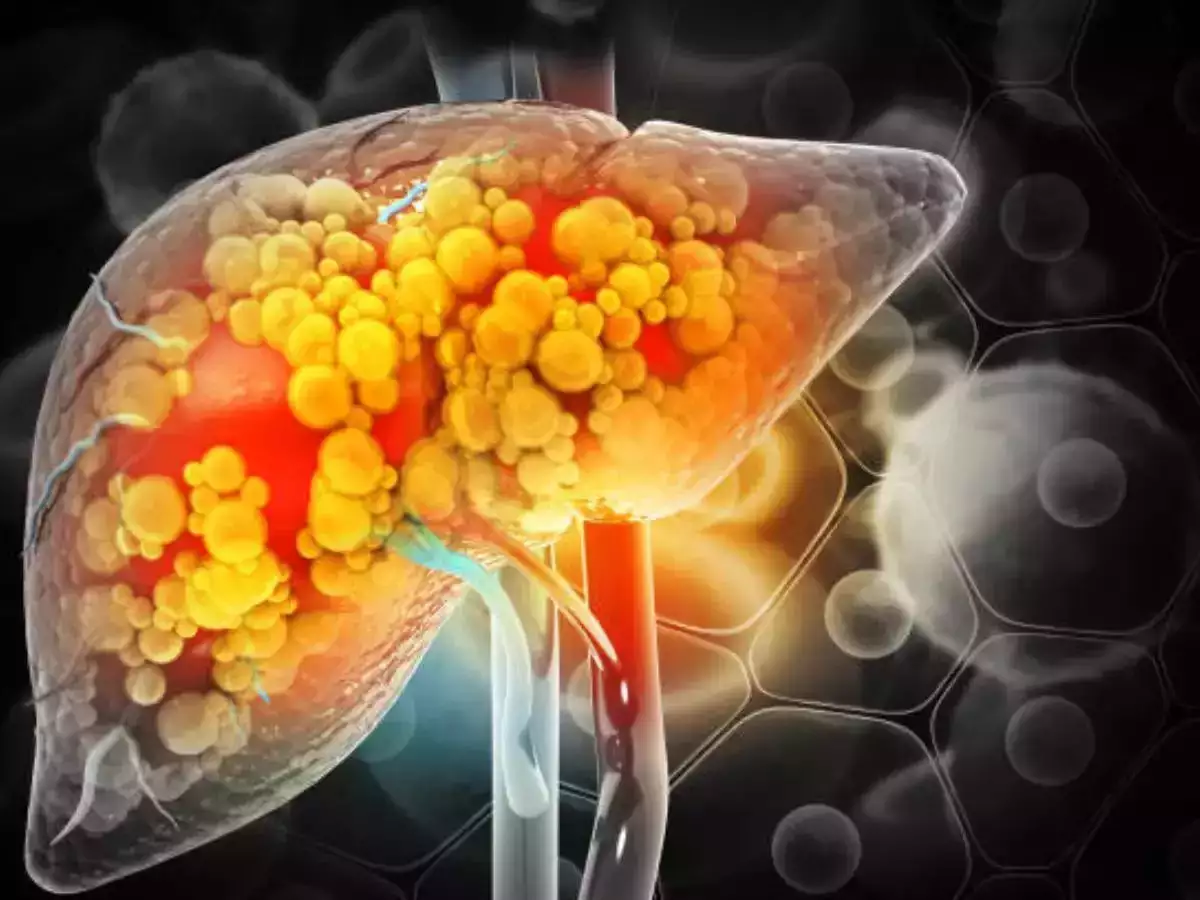
Excess sugar/salt laced foods can lead to many NCDs like diabetes, tooth decay, heart disease, bad cholesterol and fatty liver. Not only this, psychological, emotional and developmental problems may also develop as a result of a poor diet as these, as also pointed out earlier, are typically empty of nutritional value, but rich in energy density.
Keeping these in mind, Indian Academy of Pediatrics (IAP) has widened the definition of junks and suggested a new acronym ‘JUNCS’ foods, to cover a wide variety of concepts related to unhealthy foods (Junk foods, Ultra-processed foods, Nutritionally inappropriate foods, Caffeinated/coloured/carbonated foods/beverages, and Sugar-sweetened beverages). Consumption of these foods and beverages are associated with higher free sugar and energy intake and is associated with higher body mass index (and possibly with adverse cardiometabolic consequences) in children and adolescents.
The IAP recommends avoiding consumption of the JUNCS by all children and adolescents as far as possible and limits their consumption to not more than one serving per week.
Recently, the World Health Assembly (WHA) globally agreed framework for evidence-based cut-offs for anti-nutrients like sugar, salt and saturated fat present in packaged food. The WHO has identified FOPL as “one of the policy tools that can support healthy diets.” So far 11 countries across the world have enacted laws making FOPL mandatory while India is still holding consultations with various stakeholders to find a viable model.
While countries like Denmark, Australia, Canada and many European countries have taken legal steps to protect the kids from this unhealthy food, India is yet to show its seriousness in the matter.
There are many guidelines related to the consumption of foods and drinks for children in India, but they need policy recommendations and implementation at the ground level. It’s time that the government introduces front-of-package labelling (FOPL). Lip service will not help. Junk food ads are shown more frequently on TV at times when many children are watching.
Food manufacturers do not display the energy contents in the packaged foods while there are confusing messages about nutrition. Various studies have shown that industrial food processing modifies foods to change their consistency, taste, colour and shelf life, using mechanical or chemical alternation to make them more palatable, cheap, appealing and convenient — processes which don’t happen in home-cooked meals.
In this regard, I would like to highlight the grim scenario presented by a recent pan Indian survey by CSE among school children showing how deep-rooted the problem is. The CSE surveyed 13,274 schoolchildren in the age group 9–17 years from 123 districts spread across 24 states and 1 union territory and found that almost every child consumed packaged sugar-sweetened beverages (92.1%), salted packaged food (94.3 %) and sweet packaged food (95.1%).
Every other child (53%) consumed packaged food or beverages at least once a day. Similarly, results of 21 studies from various regions of India conclude high prevalence of fast food consumption (30-100%) among school children and college going undergraduates, both in government and private sector, rural and urban areas, and in both boys and girls.
The most common junk food items reportedly consumed are samosa, patties, burgers, Manchurian, noodles, pizza, chips, chocolate, bakery products, soft drinks, sugar-sweetened beverages, and caffeinated drinks.
Hence, it’s high time that the Government fixes scientific limits and labelling for salt, sugar, saturated fats and other harmful ingredients in such products.
However, our state and local leaders and industry are failing to stand up for our children and do what’s right. They are not being provided with safety nets like the front of pack labels (FOPL) on these products to help make informed choices, ban on television and internet ads promoting unhealthy food before kids programme is needed.
It is also important for the country to advance in policies and actions to discourage the consumption of ultra-processed foods, such as taxing these products and restricting marketing besides making the right to eat healthy a public movement. In a nutshell, more radical and effective measures are needed to reduce children’s exposure and consumption of ultra-processed foods. This should not be delayed. For, our kids desperately need our help before it’s too late.









Leave a comment