

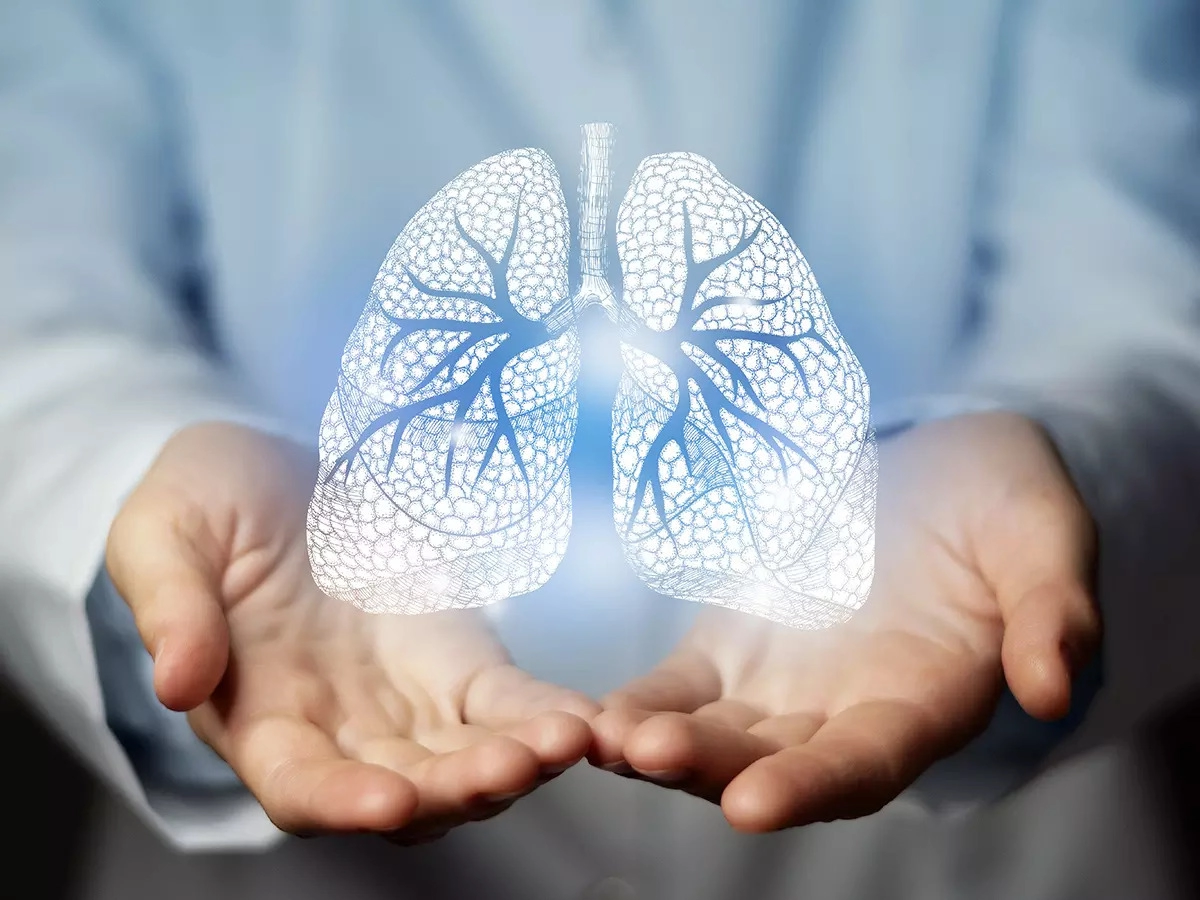
New Delhi, 27 December 2024: Chronic Obstructive Pulmonary Disease, also known as COPD, is a progressive lung condition that affects millions of people worldwide. It encompasses illnesses like chronic bronchitis and emphysema, which cause breathing difficulties, reduced airflow, and a decline in overall lung function. Beyond its impact on respiratory health, COPD is often associated with unintended weight loss, which can complicate the management of the disease. Understanding the connection between COPD and weight loss is vital for patients and caregivers alike.
What Is COPD?
COPD is a long-term condition that obstructs airflow in the lungs. The primary cause is smoking, although long-term exposure to irritants like air pollution, chemical fumes, or dust can also contribute. COPD is characterized by symptoms such as:
Shortness of breath (dyspnea)
Chronic cough
Wheezing
Frequent respiratory infections
Fatigue
The condition progressively worsens over time, making everyday tasks challenging. COPD can also have systemic effects on the body, including unintentional weight loss and muscle wasting, which can further affect a patient’s quality of life.
Why Does COPD Cause Weight Loss?
Unintentional weight loss is common in people with COPD, especially in the later stages. Several factors contribute to this phenomenon:
1. Increased Energy Expenditure
Breathing becomes more labor-intensive for individuals with COPD. The muscles used for respiration, including the diaphragm, work harder, leading to increased calorie expenditure. Over time, this additional energy demand can result in weight loss.
2. Reduced Appetite
COPD patients often experience a diminished appetite due to:
Fatigue
Side effects of medications
Depression or anxiety
Difficulty eating and a lack of interest in food can lead to inadequate calorie intake, contributing to weight loss.
3. Systemic Inflammation
Chronic inflammation, a hallmark of COPD, can trigger metabolic changes that promote muscle wasting and weight loss. This process, known as cachexia, affects approximately 20% of people with COPD.
4. Difficulty Eating
Shortness of breath and fatigue can make eating a laborious task. Patients may feel breathless while chewing or swallowing, leading to smaller meal portions and inadequate nutrition.
The Impact of Weight Loss in COPD
Weight loss in COPD is not just a cosmetic concern; it has significant implications for overall health and disease progression. Here are some of the key impacts:
1. Loss of Muscle Mass
As COPD progresses, patients may lose not only fat but also muscle mass, a condition known as sarcopenia. This loss of muscle strength affects respiratory muscles, exacerbating breathing difficulties and reducing physical endurance.
2. Weakened Immune System
Inadequate nutrition and weight loss can impair the immune system, making COPD patients more susceptible to infections such as pneumonia and bronchitis.
3. Reduced Quality of Life
Weight loss and muscle wasting can lead to fatigue, reduced mobility, and a diminished ability to perform daily activities, significantly impacting a patient’s quality of life.
4. Poor Prognosis
Studies show that unintentional weight loss and low body mass index (BMI) are associated with higher mortality rates in COPD patients. Maintaining a healthy weight is crucial for improving long-term outcomes.
COPD is a complex condition that affects not just the lungs but the entire body. Unintentional weight loss is a common yet serious complication that can worsen symptoms and overall health outcomes. By understanding the causes and impacts of weight loss in COPD, patients and caregivers can take proactive steps to manage it effectively. Through proper nutrition, exercise, and medical support, it is possible to improve the quality of life and long-term prognosis for those living with COPD. If you or a loved one is experiencing significant weight loss due to COPD, consult a healthcare professional for tailored guidance and support.












Leave a comment