

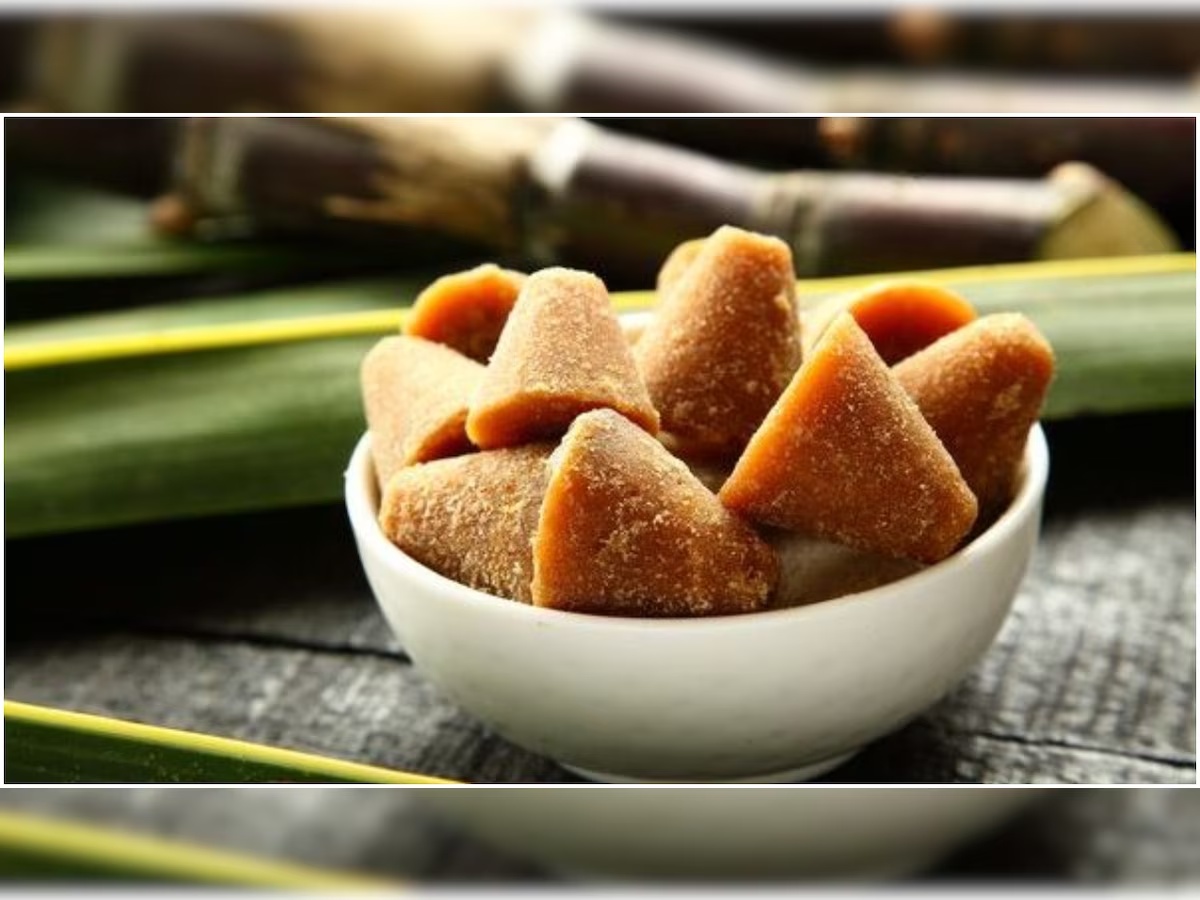
Jaggery, commonly known as gur, is a staple in many Indian households. From sweetening winter desserts to being used as a natural remedy for cough and digestion, jaggery is often considered a healthier alternative to refined sugar. It is a healthy source of minerals, and iron, and is commonly taken to enhance perceived health. All the jaggery in the market, however, is not pure. Experts on food safety also caution that certain products would have dangerous chemicals and additives to improve colour and texture.
The Food Safety and Standards Authority of India (FSSAI) has made simple home test available to help consumers check whether the jaggery is adulterated or not.
Why Is Jaggery Adulterated?
In the manufacturing process, sugarcane juice is boiled until it reaches a solid state. Ideally, pure jaggery would be natural brown to dark golden. However, some manufacturers also include chemicals like washing soda or sodium carbonate to make it become more appealing and brighter yellow. In other instances, one may also include chalk powder or artificial colours.
They are not circumscribed consumable substances that are health-threatening. The frequent consumption of soiled jaggery can cause difficulties with the digestive system, irregularities in the stomach and, eventually, other adverse issues.
FSSAI’s Simple Home Test To Check Purity
As FSSAI says, the purity of jaggery can be checked at home in case of a simple water test:
Festivities call for a little extra care.
If you’re using jaggery this season, watch this video to learn simple test to find out whether it is adulterated or not. Stay aware & stay informed. #NoToAdulteration pic.twitter.com/qWOIoMjGM7— FSSAI (@fssaiindia) February 28, 2026
Water Dissolution Test
- Take a clear glass of water.
- To it add a piece of jaggery.
- Allow to rest a couple of minutes.
What to observe:
When the jaggery is pure, it will dissolve gradually and evenly in the water and not leave any residue at the bottom. This test is effective since the pure jaggery is proper in water but additional impurities are likely to separate and settle.
How To Identify Pure Jaggery While Buying?
Other than the home test, some visual and sense indications can make you pick quality of jaggery:
- Colour: Do not use jaggery which appears too yellow. Natural jaggery is normally of a shade between golden brown up to dark brown.
- Texture: It must be hard without being too hard. Very hard jaggery can be a result of overworking.
- Taste: Jaggery, which is pure, has a rich caramel taste without any chemical aftertaste.
- Smell: This should be a pleasant blend of a sweet smell of sugarcane that is light.
Health Risks Of Consuming Adulterated Jaggery
Though jaggery acts as a source of small portions of iron, magnesium and potassium, adulterated jaggery can even counteract these. Following the consequences of using chemicals, including sodium carbonate, the chemicals may irritate the digestive tract and deteriorate such conditions like gastritis. Patients with sensitive stomachs, children, as well as elderly people might be more exposed to the side effects. Besides, diabetics must not forget that jaggery pure or not consists of large portion of sugar and increases blood glucose level.
Tips To Stay Safe
- Purchase jaggery with the reputable brands or authorised vendors.
- Check for FSSAI licence numbers on packaged products.
- Jaggery should be stored in an airtight container to avoid being contaminated by moisture.
- In case of a possibility, choose organic or time-honoured versions.
Jaggery could be a far healthier sweetener than refined sugar, although only when it is pure. By merely realising it and having a fundamental water test in the house advised by FSSAI, the consumer can safeguard himself against noxious adulteration. To purchase and eat jaggery without damaging your health, you need only to be conscious when buying and eating it.
Food safety issues have become a major concern and small measures such as these can be a big difference in ensuring your family is safe and healthy.















Leave a comment