


New Delhi, 28 October 2025: Obesity has become one of the most pressing health challenges of the modern era, affecting millions of women of reproductive age. With rising body mass indexes (BMI) across urban and semi-urban India, many women planning to conceive are asking an increasingly common question:
“Is pregnancy safe if I am overweight or obese?”
According to gynecologists, while many obese women do experience healthy pregnancies, obesity does increase the risk of complications — both for the mother and the baby. With proper medical guidance, however, these risks can be managed effectively.
Understanding Obesity and Pregnancy
Obesity is defined as having a Body Mass Index (BMI) of 30 or above, while overweight refers to a BMI between 25 and 29.9.
During pregnancy, some weight gain is expected, but when a woman begins pregnancy with excessive weight, it can interfere with normal hormonal balance and organ function.
Doctors explain that extra body fat influences insulin resistance, inflammation, and hormone regulation, all of which are critical for a healthy pregnancy.
Health Risks Linked to Obesity During Pregnancy
Experts highlight several potential complications linked to obesity that can affect both maternal and fetal health.
1. Gestational Diabetes Mellitus (GDM)
Overweight and obese women are two to three times more likely to develop gestational diabetes.
In GDM, blood sugar levels rise due to hormonal changes, affecting both mother and baby.
If not controlled, it can lead to large baby size (macrosomia), preterm birth, and delivery complications.
2. Hypertension and Preeclampsia
Obesity significantly increases the risk of high blood pressure during pregnancy. In severe cases, it can lead to preeclampsia — a dangerous condition that causes swelling, protein in urine, and can affect kidney and liver function.
If unmanaged, preeclampsia can endanger both maternal and fetal life.
3. Sleep Apnea
Obese women are more prone to obstructive sleep apnea, where breathing repeatedly stops and starts during sleep.
This can lead to low oxygen levels and raise blood pressure, further increasing cardiovascular risk during pregnancy.
4. Preterm Birth and C-Section Deliveries
Higher body weight increases the likelihood of labor complications, often leading to cesarean section (C-section) deliveries.
Additionally, studies show obese mothers have a greater chance of preterm delivery, which can impact the newborn’s lung development and immunity.
5. Postpartum Complications
Following delivery, obese mothers face a higher risk of infection, blood clots, and delayed wound healing after a C-section.
They are also more prone to postpartum depression and difficulty breastfeeding due to hormonal imbalance.
How Obesity Affects the Baby
The baby’s health can also be affected in several ways when the mother is obese during pregnancy.
- Macrosomia: Babies may grow excessively large, making natural delivery difficult and increasing the risk of shoulder injuries during birth.
- Low Apgar Scores: These babies might have delayed breathing or lower oxygen levels at birth.
- Higher Risk of Obesity and Diabetes Later: Research suggests that babies born to obese mothers are more likely to develop childhood obesity, insulin resistance, and type 2 diabetes later in life.
- Congenital Anomalies: Obesity has been linked to a slightly higher chance of neural tube defects and heart abnormalities in the fetus.
Pre-Pregnancy Planning: The Most Crucial Step
Doctors strongly recommend preconception counseling for women who are overweight or obese.
This helps identify potential health risks and allows time for weight management before conception.
Steps to consider before planning pregnancy:
- Medical Evaluation:
Get screened for diabetes, thyroid issues, hypertension, and vitamin deficiencies. - Nutritional Guidance:
Consult a dietitian to create a balanced, calorie-controlled diet focusing on whole grains, lean protein, fruits, and vegetables. - Regular Exercise:
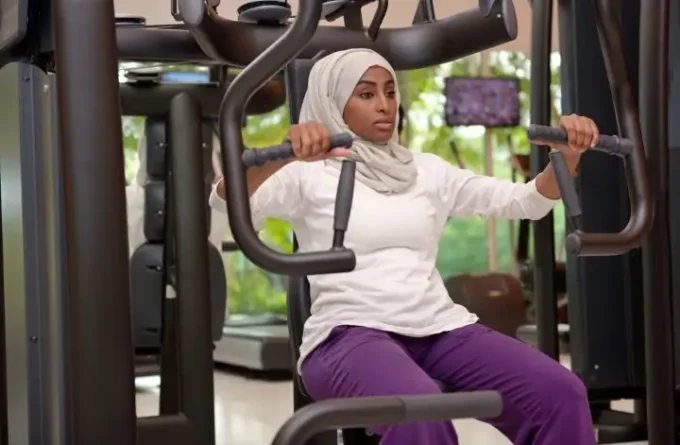
Low-impact activities like walking, yoga, or swimming can help lower BMI and improve cardiovascular health. - Weight Loss Goals:
Even a 5–10% reduction in body weight before pregnancy can significantly lower the risk of complications.
Postpartum Care: What Happens After Delivery
Post-delivery care is just as vital as prenatal management.
Women with obesity are more prone to postpartum hemorrhage, wound infections, and blood clots. Therefore, doctors monitor them for a longer duration after childbirth.
Breastfeeding is highly encouraged, as it helps burn extra calories and regulates hormones. It also lowers the baby’s risk of obesity and diabetes later in life.
Emotional well-being is equally important. Postpartum depression can occur more frequently in obese mothers, making counseling and family support crucial.












Leave a comment