

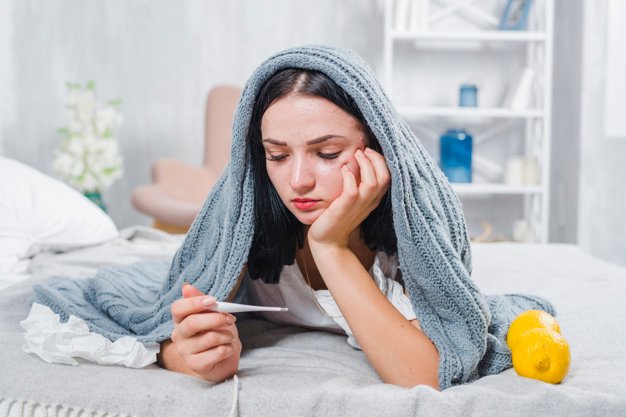
New Delhi, 29 July 2025: As the monsoon season sets in across India, there’s more to worry about than just waterlogging and mosquito bites. The seasonal spike in mosquito-borne infections, particularly Chikungunya, is causing significant concern among health experts and public health officials. While the virus may initially present like a common viral fever, it can cause long-term and debilitating effects if not identified and managed early. Here’s everything you need to know about Chikungunya — its early symptoms, what to watch out for, and how to protect yourself.
What Is Chikungunya?
Chikungunya is a viral illness transmitted by the bite of infected Aedes mosquitoes — the same mosquitoes that spread dengue. The infection is caused by the Chikungunya virus (CHIKV), which leads to sudden onset fever and severe joint pain. While it is rarely fatal, the disease can cause persistent health issues that last weeks or even months.
Key Symptoms That Might Seem Like a Regular Fever But Aren’t
The early signs of Chikungunya can mimic those of other monsoon-related illnesses, making it difficult to identify. The most common symptoms include:
- High fever (sudden and intense)
- Severe joint pain (especially in the hands and feet)
- Swelling of the joints
- Headache
- Fatigue and malaise
- Muscle pain
- Skin rashes (which may appear after a few days of fever)
What sets Chikungunya apart is the intense joint pain, which may persist even after the fever subsides. In some cases, individuals report joint stiffness, reduced mobility, and difficulty walking — symptoms that mimic arthritis.
Why It’s Dangerous
Although most people recover within a week, some may suffer chronic joint pain for months or even years. The disease is particularly dangerous for older adults, infants, and those with preexisting conditions like diabetes or heart disease. It may also lead to complications like uveitis, myocarditis, and neurological disorders in rare cases.
How Chikungunya Spreads
The Aedes mosquitoes that carry the virus are active during daylight hours, especially early morning and late afternoon. They breed in clean, stagnant water found in flower pots, coolers, discarded tyres, and uncovered water storage containers. Just one bite from an infected mosquito is enough to transmit the virus.
Diagnosis and Treatment
There is no specific antiviral treatment or vaccine for Chikungunya. Diagnosis is usually confirmed through a blood test to detect antibodies or the virus itself. Treatment is focused on relieving symptoms through:
- Adequate rest
- Staying hydrated
- Paracetamol to control fever and pain (NSAIDs like ibuprofen are generally avoided due to risk of bleeding if dengue is also suspected)
- Avoiding aspirin unless prescribed
How To Prevent Chikungunya This Monsoon
Since there’s no cure or vaccine, prevention is the best strategy:
- Use mosquito repellents on exposed skin
- Wear full-sleeved clothing and pants
- Use mosquito nets, especially during daytime naps
- Keep your home and surroundings clean and dry
- Empty and scrub water containers regularly
- Cover all water storage vessels
This monsoon, don’t dismiss a high fever or joint pain as just another seasonal flu. Chikungunya can leave a lasting impact on your health if not treated seriously. Early diagnosis, symptom management, and proactive prevention measures can go a long way in keeping you and your family safe from this debilitating illness. If you or someone in your family is showing symptoms, consult a healthcare provider immediately and take necessary precautions to prevent mosquito bites and control the breeding grounds around your home.












Leave a comment