

 Dr. Pradeep Jain, Director & HOD, Department of Lap GI & GI Onco Bariatric and Minimal Access Surgery, Fortis Hospital Shalimar Bagh.
Obesity: The magnitude of the problem:
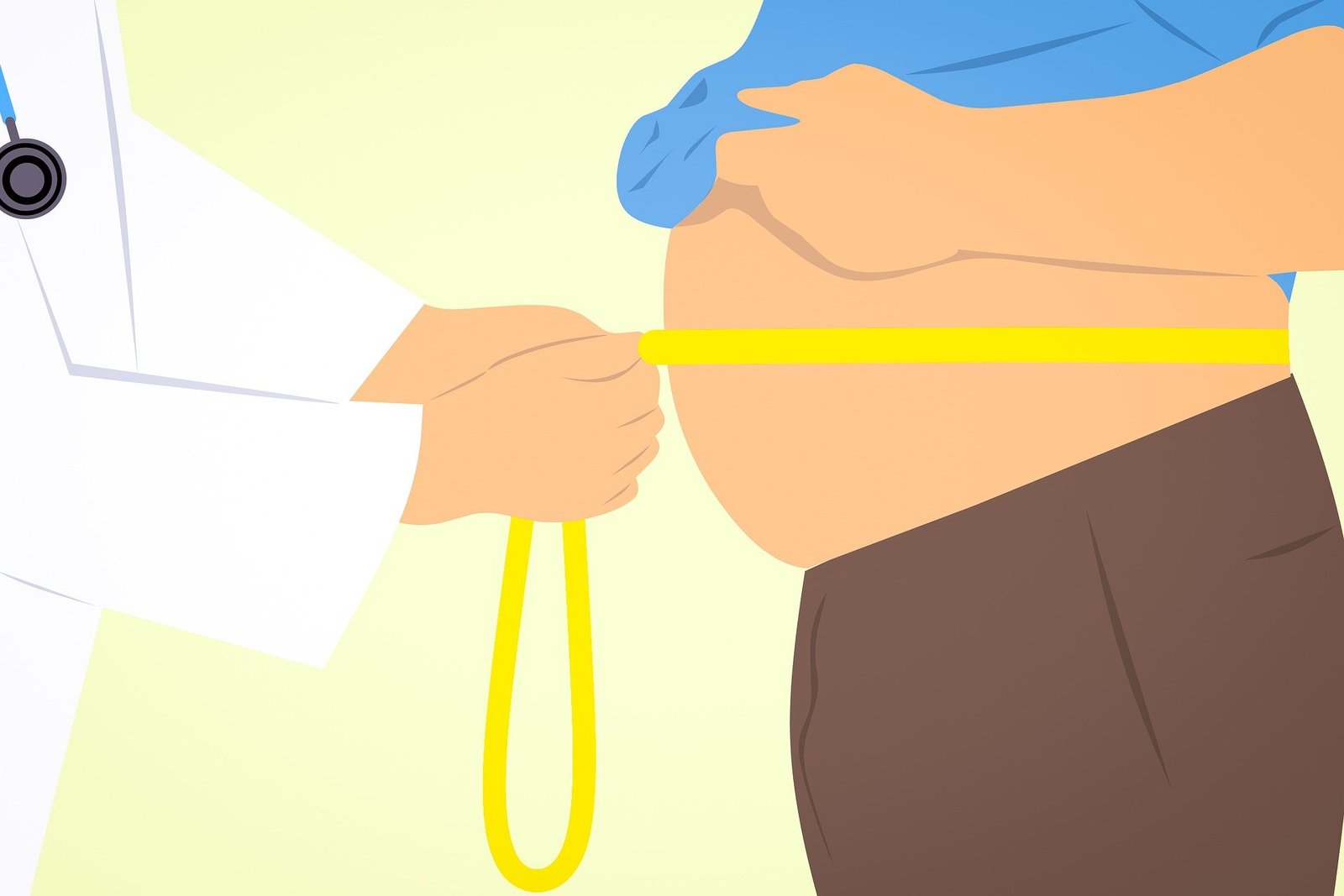
Until very recently, obesity was not recognized as a disease, which confounded the ability of physicians to treat the condition effectively. The American Medical Association (AMA) officially recognized obesity as a disease in June 2013. According to WHO, BMI classification of obesity is BMI>30. But it has been identified that the complications related to obesity develop among Asians at a lower BMI. The WHO Asian modification of BMI defines obesity as BMI >25 kg/m2
According to a recent population study, there are >135 million people who are obese in India. Worldwide there is a trend of increasing obesity in childhood, adolescent and young adults.
Recent research:
According to a recent research done by George institute of Global health in Australia, published in International journal of Obesity, identified that men and women who are obese in their 20s will lose up to eight and six years respectively in their lives. In addition, if they are severely obese, men and women will lose ten and eight years respectively. Importantly, the risks of early death associated with excess weight were apparent at every age group but the risk decreased with age.
People with obesity are at risk of developing diseases such as diabetes, high blood pressure, cardiovascular diseases etc. and there is a loss in quality of life as well as increased medical expenditure for the illnesses.
The reason why the young generation is becoming obese is very evident and clear. Desk jobs, fast and junk food are the two main culprits when it comes to obesity among the young, and it can be prevented by following a more active lifestyle and eating healthy.
Diseases associated with OBESITY
Here’s the list of the diseases associated with Obesity –
Cardiovascular – Hypertension, Myocardial infarction, Cardiomyopathy, Venous stasis disease, Deep venous thrombosis, Pulmonary hypertension, Right-sided heart failure
Pulmonary – Obstructive sleep apnea, Hypoventilation syndrome of obesity, Asthma
Metabolic – Metabolic syndrome (abdominal obesity, hypertension, dyslipidemia, insulin
Resistance), Type 2 diabetes , Hyperlipidemia ,Hypercholesterolemia, Nonalcoholic fatty liver disease (NAFLD)
Gastrointestinal – Gastroesophageal reflux disease, Cholelithiasis
Musculoskeletal – Degenerative joint disease, Lumbar disk disease , Osteoarthritis, Ventral hernias
Genitourinary – Stress urinary incontinence, End-stage renal disease (secondary to diabetes and hypertension)
Gynecologic – Menstrual irregularities
Skin – Fungal infections, Boils, abscesses
Oncologic – Cancer of the thyroid, prostate, esophagus, kidney, stomach, colon, rectum,
gallbladder, pancreas, female cancers of the breast, ovaries, cervix, and endometrium
Neurologic/Psychiatric – Pseudotumor cerebri, Depression, Low self-esteem, Stroke
Social – Social discrimination
Medical v/s surgical treatment:
For Mild to Moderate Obesity, maintaining a healthy balanced diet with regular exercise is the cornerstone.
For Severe Obesity (Morbid Obesity), medical therapy has a short term success and almost non existent long term success. Once severely obese, the likelihood that a person will lose enough weight by dietary means alone and remain at a BMI below 35 kg/m2 is estimated at 3% or less. There comes the role of Bariatric surgery. There are various trials that have shown bariatric surgery to be more effective in achieving sustainable weight loss with resolution of comorbidities like diabetes and hypertension.
Indication of bariatric surgery:
- Body mass index (BMI) >40 kg/m2 or
- BMI >35 kg/m2 with an associated medical comorbidity worsened by obesity
- Failed dietary therapy















Leave a comment