

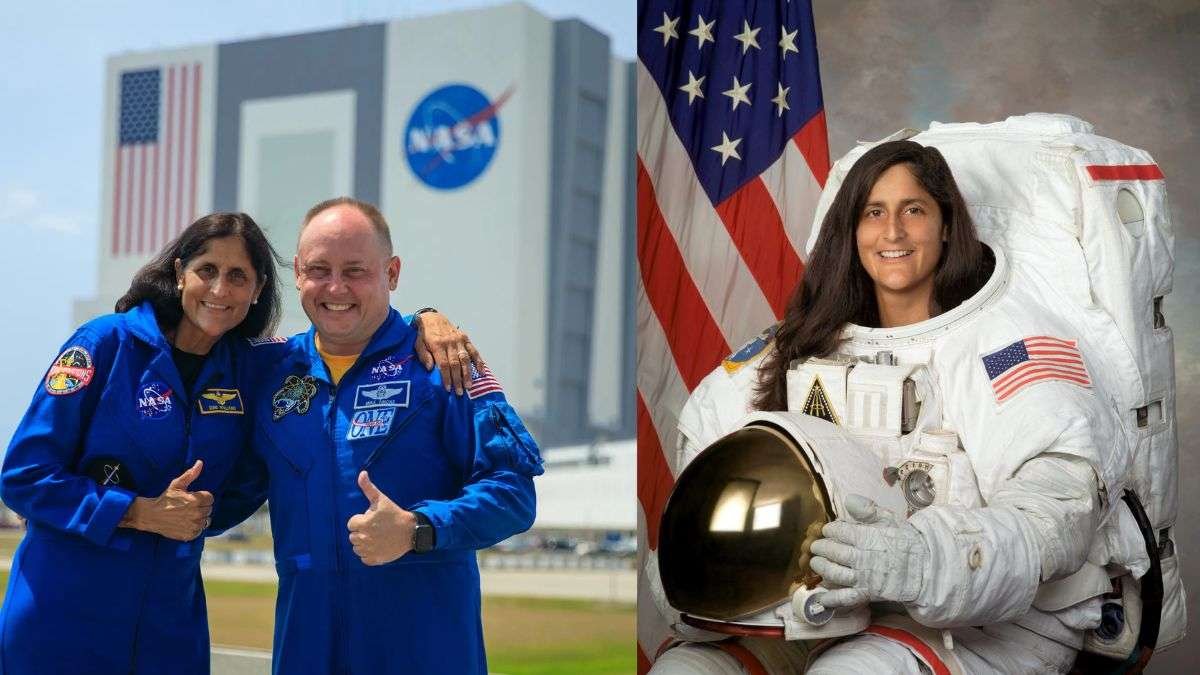
New Delhi, August 25: The prolong stay of astronauts Sunita Williams and Butch Willmore on the International Space Station (ISS) raised significant health concerns. with the risk of space anemia looming large.
What Is Space Anemia?
Space anemia is a condition characterized by a reduction in red blood cells and hemoglobin levels during extended space missions. It occurs due to the body’s response to the unique environment of microgravity. In space, the body destroys more red blood cells than it produces, leading to a decline in oxygen-carrying capacity.
While space anemia is a common occurrence among astronauts on long-duration missions. The extend stay of Williams and Willmore has amplified concerns about their potential health risks. The duo has been on the ISS for over two months, and their return to Earth is uncertain due to technical issues with the Starliner spacecraft.
Why Are NASA Astronauts, Sunita Williams Stuck In Space?
If their return is delayed, Williams and Willmore could face serious health complications upon landing on Earth. Space anemia can lead to fatigue, weakness, and difficulty breathing, potentially affecting their ability to function normally.
Sunita Williams: Other Health Challenges
In addition to space anemia, prolonged exposure to the unique environment of space can lead to other health challenges. These include:
- Bone Loss: Microgravity can accelerate bone loss, leading to osteoporosis and an increased risk of fractures.
- Muscle Atrophy: The lack of gravity in space can cause muscles to weaken and atrophy, leading to difficulty moving and performing tasks upon return to Earth.
- Cardiovascular Changes: The heart doesn’t work as hard in microgravity, leading to changes in heart structure and function. This can cause problems upon return to Earth, such as orthostatic intolerance (dizziness when standing up).
- Vision Problems: Some astronauts have reported vision changes after long-duration space missions, including blurred vision and nearsightedness. The exact cause of these changes is still under investigation.
- Psychological Challenges: The isolation and confinement of spaceflight can take a toll on mental health. Astronauts may experience mood swings, anxiety, and sleep disturbances.
Sunita Williams Return: NASA’s Response
NASA is closely monitoring the health of Williams and Willmore and is working to ensure their safe return to Earth as soon as possible. The space agency is also exploring options for an early return if necessary, such as using a SpaceX Dragon capsule.
Read Also – Stuck In Space: NASA Astronaut Sunita Williams May Face These Health Problems In ISS
The extended stay of Williams and Willmore has underscored the challenges of long-duration space missions and the importance of further research into space health. As humans continue to explore beyond Earth, understanding and addressing these health risks will be crucial for ensuring the safety and well-being of future astronauts.















Leave a comment