India carries a heavy burden of preventable and manageable diseases, many of which continue to claim millions of lives each year. While infectious diseases remain a concern, non-communicable conditions linked to lifestyle, environment, and ageing now account for the majority of deaths in the country. Understanding these leading causes is crucial for prevention, early diagnosis, and timely treatment.
1. Cardiovascular Diseases
Heart attacks, strokes, and related cardiovascular conditions are the leading cause of death in India. High blood pressure, diabetes, obesity, smoking, poor diet, and physical inactivity significantly raise risk. Alarmingly, heart disease is increasingly affecting younger adults, often with few early warning signs.
2. Chronic Respiratory Diseases
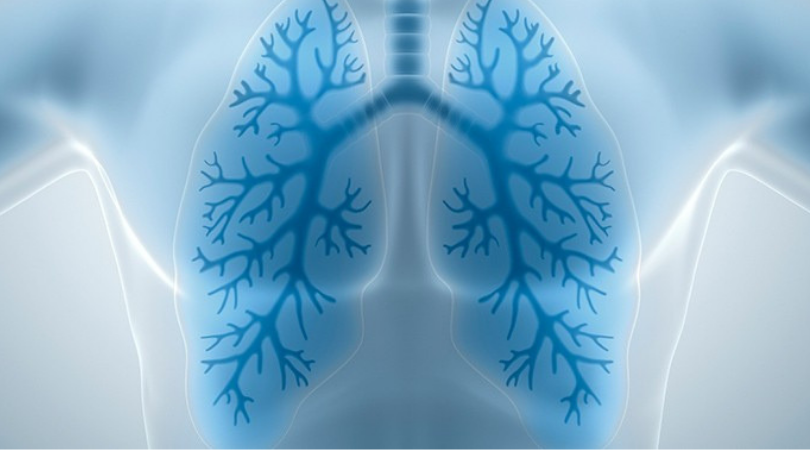
Conditions such as chronic obstructive pulmonary disease (COPD) and asthma contribute to a high number of deaths, especially in urban and industrial areas. Air pollution, tobacco use, indoor smoke from cooking fuels, and occupational exposure are key drivers of respiratory illness in India.
3. Cancer
Cancer is among the top causes of mortality, with lung, breast, cervical, oral, and colorectal cancers being the most common. Late diagnosis, limited access to screening, and delayed treatment continue to worsen outcomes, despite advances in medical care.
4. Diabetes and Its Complications
India is often referred to as the diabetes capital of the world. While diabetes itself may not always be fatal, its complications—such as heart disease, kidney failure, infections, and stroke—significantly increase mortality risk when blood sugar remains uncontrolled.
5. Infectious Diseases
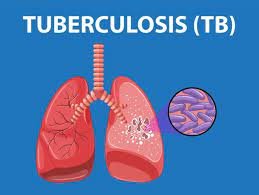
Diseases such as tuberculosis, pneumonia, diarrhoeal illnesses, and emerging viral infections continue to cause substantial mortality, particularly among children, the elderly, and immunocompromised individuals. Crowded living conditions and delayed treatment worsen the burden.
6. Chronic Kidney Disease
Chronic kidney disease (CKD) is a growing public health concern, often driven by diabetes, hypertension, and long-term medication misuse. Many cases go undetected until advanced stages, when dialysis or transplant becomes necessary.
7. Liver Diseases
Fatty liver disease, viral hepatitis, and alcohol-related liver damage are major contributors to death in India. Liver disease often progresses silently and is frequently diagnosed only after severe complications develop.
Why These Conditions Are So Deadly
The high death toll from these diseases is linked to late diagnosis, lack of awareness, lifestyle risk factors, and unequal access to quality healthcare. Many of these conditions are preventable or manageable if detected early.
What Can Reduce the Risk?
Health experts stress the importance of:
- Regular health screenings
- Early medical intervention
- Balanced diet and physical activity
- Avoiding tobacco and excessive alcohol
- Managing blood pressure, blood sugar, and cholesterol
The Takeaway
The majority of deaths in India are caused by conditions that can be prevented, delayed, or controlled with timely action. Recognising the warning signs, prioritising preventive care, and strengthening public health awareness can significantly reduce the country’s disease burden and save lives.