

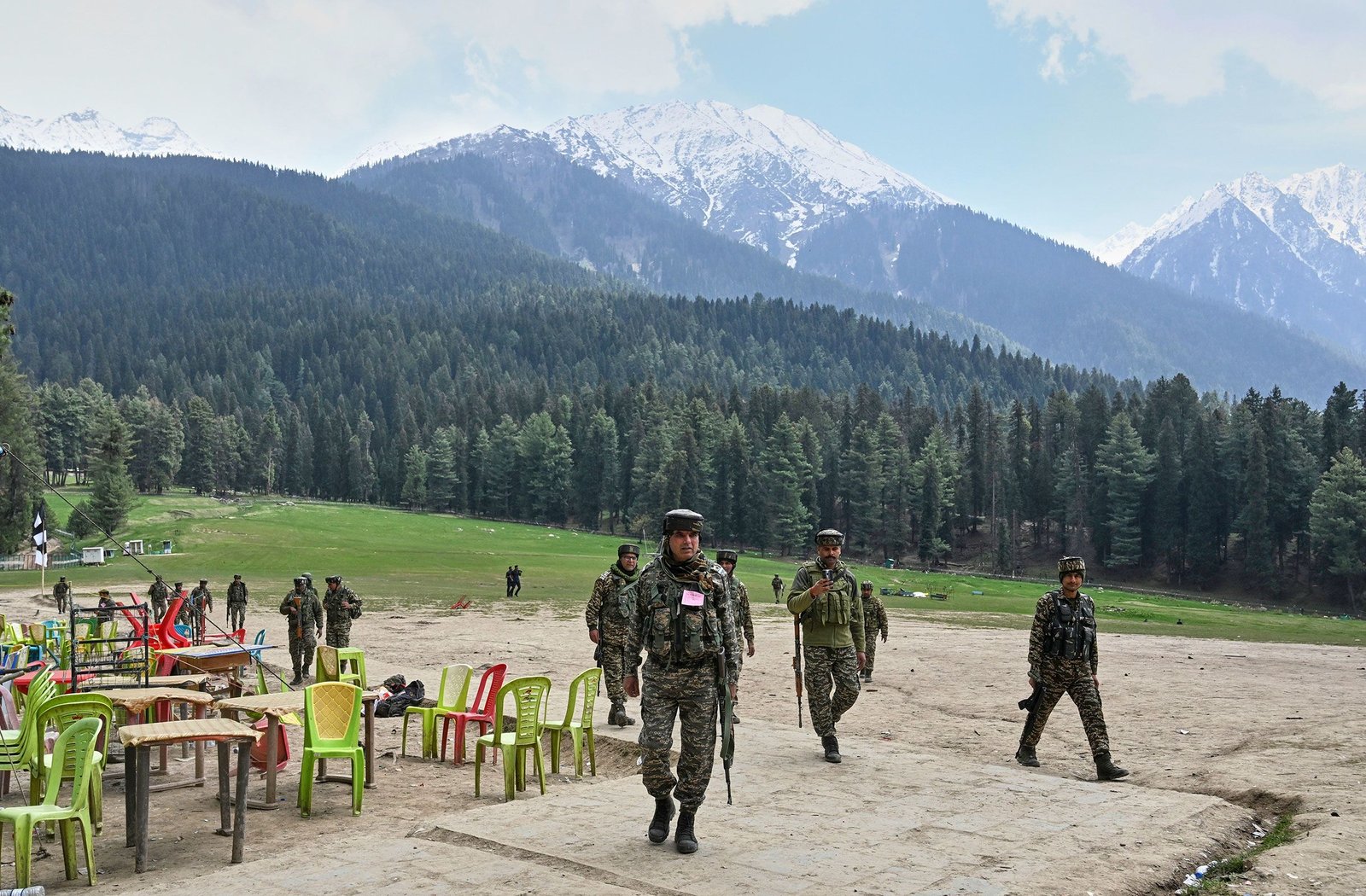
New Delhi, 09 May 2025: The ongoing tension between India and Pakistan has reached alarming levels, with military strikes and heightened threats of conflict. India’s recent military actions of Operation Sindoor in response to the Pahalgam attack on 22 April 2025, where 26 innocent tourists lost their lives. Have pushed both nations toward the brink of a potential war. As fears of further escalation loom large, it is essential for citizens. Especially those residing in war-prone areas, to manage war anxiety and safeguard their mental health.
The Pahalgam Attack and India’s Response
On April 22, 2025, a horrific terror attack took place in Pahalgam, located in the India-administered part of Kashmir. Gunmen opened fire at a scenic mountain spot, killing 26 innocent tourists in front of their families. The attack sent shockwaves through the region, causing widespread fear and grief. The innocent lives lost and the brutal nature of the attack left an indelible mark on both the families involved and the nation as a whole.
India responded to the tragedy swiftly, launching a military operation codenamed “Operation Sindoor” in the early hours of Wednesday, April 24, 2025, at 01:05 am. The operation targeted nine terror bases in both Pakistan and Pakistan-occupied Kashmir that were believed to involved in planning the attack. These swift actions seen as an effort to send a strong message and prevent further terrorist activities.
However, these developments have also escalated tensions along the Line of Control (LoC), with both countries now bracing for potential military confrontation. As the situation remains fluid, many citizens. Particularly those living in border areas or cities near military zones, are grappling with war anxiety. Heightened stress, and fear of an imminent conflict. In times like these, it is essential to focus on mental well-being and find ways to manage anxiety during uncertain circumstances.
War Anxiety: A Growing Concern Amid Rising Tensions
War anxiety is a natural psychological response to the constant threat of conflict. For individuals living in regions where conflict feels imminent, the psychological toll can be severe. Feelings of fear, helplessness, and uncertainty can escalate, impacting emotional health. People living in war zones, or those experiencing the immediate fallout of heightened military activity. May struggle with heightened anxiety and stress, as well as a sense of helplessness.
The fear of war, the constant sirens, the possibility of a sudden attack. And the uncertainty of what might happen next can contribute to severe emotional and physical stress. This chronic state of alertness can lead to symptoms such as insomnia, headaches, muscle tension, gastrointestinal issues, and even heart palpitations. Individuals may also experience emotional symptoms like irritability, excessive worry, and panic attacks.
Managing Anxiety in Times of Crisis
As tensions rise between India and Pakistan, Operation Sindoor is crucial to take proactive steps to safeguard mental well-being. Below are some strategies that can help individuals manage anxiety and maintain emotional balance during this period of heightened tension:
Stay Informed, But Avoid Over-Exposure to News: While staying updated on the situation is important, constant exposure to distressing news can exacerbate anxiety. Limit your intake of news, and focus on reliable and factual sources. Avoid sensationalist media outlets that may amplify fear and panic. Taking short breaks from the news can help you regain a sense of calm and prevent being overwhelmed by the crisis.
Practice Mindfulness and Meditation: Mindfulness techniques, including deep breathing exercises, meditation, and yoga, are highly effective in reducing anxiety and stress. These practices help calm the mind and restore balance. Even just a few minutes of focused breathing or mindfulness meditation can help reduce the physical and emotional effects of anxiety. Mindfulness also helps in managing racing thoughts by bringing your attention to the present moment.
Prioritize Physical Health: Physical health and mental health are closely linked. Regular physical activity, such as walking, running, or yoga, can help reduce stress and improve overall well-being. Exercise releases endorphins, the body’s natural mood enhancers, and can significantly reduce feelings of anxiety. Maintaining a balanced diet, staying hydrated, and ensuring adequate sleep are essential to help you stay physically and mentally strong during these turbulent times.
Limit Negative Exposure: Constant exposure to distressing information and negative emotions can exacerbate feelings of anxiety. Be mindful of the people you interact with and the types of media you consume. Avoid engaging in negative conversations or discussions that could increase fear or stress. Instead, try to focus on positive or neutral topics that can help shift your perspective and calm your mind.
Create a Personal Safety Plan: While anxiety around the possibility of war can feel overwhelming. Operation Sindoor having a clear action plan can provide a sense of control. Create a personal safety plan that outlines what steps you should take in the event of an emergency. Knowing where to go, whom to contact, and what to do during heightened alert or evacuation orders can significantly reduce fear and anxiety.
Coping with the Uncertainty of War: As the tensions between India and Pakistan continue to escalate. It is important to remember that. while the situation is serious, it is also temporary. War anxiety and stress will subside once peace is restored. In the meantime, maintaining a calm and balanced mindset, practicing coping strategies. And focusing on mental well-being will help individuals navigate this difficult period more effectively.
The situation remains fluid, and while military actions such as Operation Sindoor and military strikes may continue, it is crucial to remain patient and alert. The health and emotional well-being of individuals, particularly in conflict zones, should remain a top priority during these challenging times.















Leave a comment