Home Latest News Hypertension: The Silent Killer and How to Control It Naturally
Latest News

Hypertension: The Silent Killer and How to Control It Naturally

Share
Hyportension
Hyportension
Share

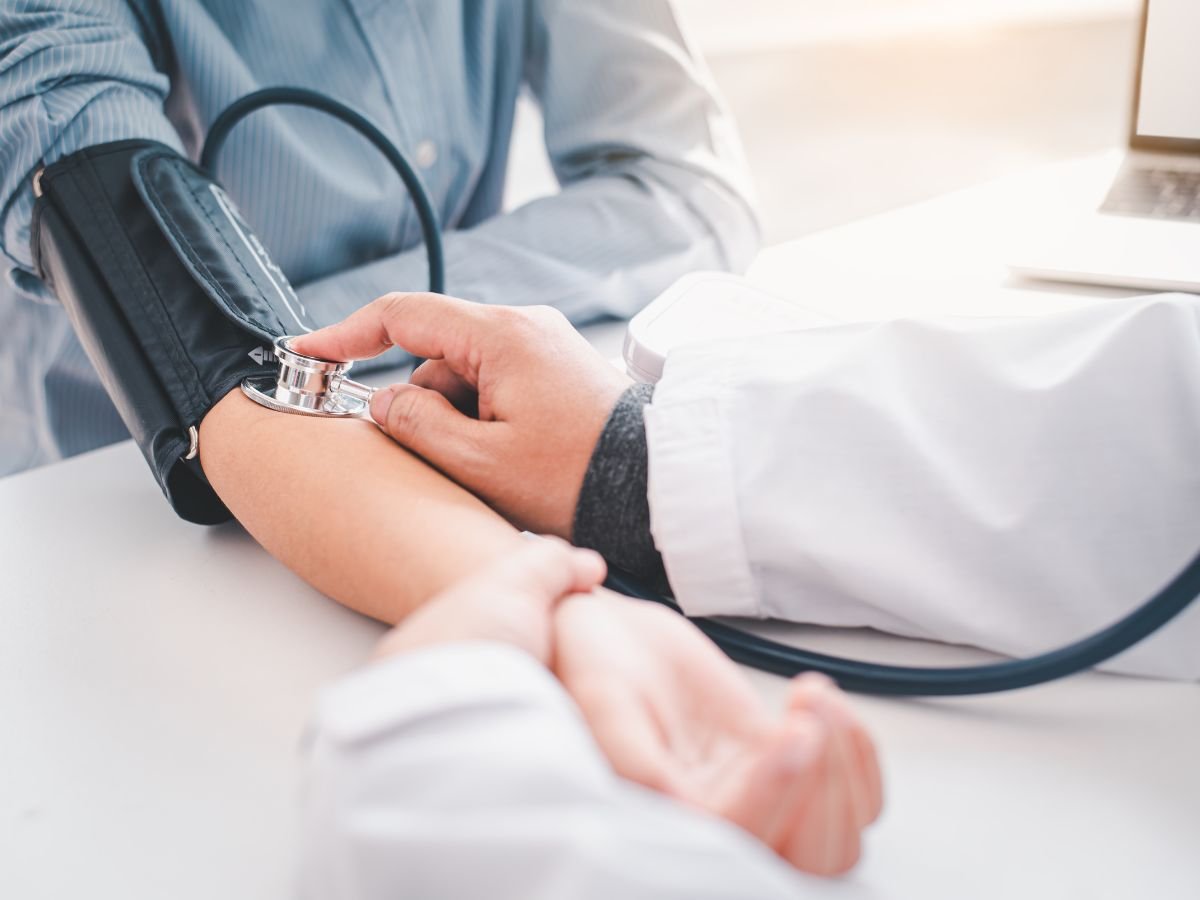
New Delhi, 16 May 2025: High blood pressure, medically known as hypertension, is often referred to as the “silent killer” because it typically shows no symptoms while quietly damaging the body. Many individuals are unaware they even have hypertension until it leads to severe health complications such as heart attacks or strokes. This makes regular monitoring and healthy lifestyle choices absolutely essential.

Why Is Hypertension Called the “Silent Killer”?

Hypertension often develops gradually and presents no noticeable signs or symptoms. Over time, uncontrolled high blood pressure can damage vital organs including the heart, brain, kidneys, and eyes — all without warning. If left untreated, it significantly raises the risk of serious health problems like:

Heart attacks

Strokes

Kidney disease

Vision loss

This silent progression is what earns it the dangerous nickname. Regular blood pressure screenings, particularly for adults over 40 or those with a family history of hypertension, are crucial for early detection and management.

Natural Ways to Control High Blood Pressure

The American Heart Association (AHA) and American Diabetes Association (ADA) recommend several evidence-based lifestyle changes that can help lower and control high blood pressure naturally:

  1. Follow the DASH Diet: The Dietary Approaches to Stop Hypertension (DASH) diet specifically designed to reduce blood pressure. This diet is low in saturated fat, cholesterol, and sodium, all of which contribute to healthier blood pressure levels.
  2. Cut Down on Sodium: Reducing sodium intake can have a major impact. It recommended to consume:
  3. Be Physically Active: Regular aerobic exercise helps strengthen the heart and improve blood flow, which in turn lowers blood pressure. Aim for:
  4. Maintain a Healthy Weight: Carrying excess weight increases strain on the heart. Losing even a small amount of weight can lead to noticeable improvements in blood pressure levels. Maintaining a healthy BMI should be a priority for those at risk.
  5. Limit Alcohol and Avoid Tobacco: Alcohol and tobacco both raise blood pressure and damage blood vessels. To reduce hypertension risk:
  6. Manage Stress Effectively: Chronic stress can contribute to long-term blood pressure problems. Consider incorporating stress-relief practices into your daily routine, such as:

Meditation

Yoga

Deep breathing exercises

Spending time in nature

Regular Monitoring Is Key

Since hypertension often goes unnoticed, routine monitoring is essential. Adults should check their blood pressure:

At least once every two years

More frequently if they have risk factors or family history

Using a validated home blood pressure monitor can help track readings over time, but it’s important to consult a healthcare provider for accurate interpretation.

Share
Written by
kirti Shah

Kirti is a Senior Health Editor at Healthwire Media, specializing in health journalism and digital health communication. With over four years of experience in the healthcare media landscape, she is dedicated to transforming complex clinical data into accessible, patient-friendly information. Kirti oversees the editorial lifecycle of every article, ensuring they meet rigorous fact-checking standards and align with the latest guidelines from primary sources like the WHO and Ministry of Health. In her role, Kirti works closely with a panel of board-certified physicians and medical reviewers to ensure that every piece of content published is not only easy to understand but also medically accurate and safe for the public. She is passionate about health literacy and helping readers navigate their wellness journeys with confidence.

Leave a comment

Leave a Reply

Your email address will not be published. Required fields are marked *

Don't Miss

Lifestyle & Wellness

Why Men Feel Constantly Tired: Experts Reveal the Hidden Role of Dehydration, Stress and Poor Sleep

For many men today, health challenges don’t begin with illness; they start quietly, woven into everyday routines. Long hours at a desk, crowded...

Can 150 Minutes of Exercise a Week Help You Live Longer? Scientists Weigh In
Health News

Can 150 Minutes of Exercise a Week Help You Live Longer? Scientists Weigh In

In case you have ever questioned yourself what exactly is the best amount of exercise to help you improve health and live a...

Endometriosis
Obstetrics & Gynecology

Severe Period Pain Could Signal Endometriosis: Gynecologist Warns Women Not to Ignore These Symptoms

Many women experience pain and discomfort during their menstrual cycle and often consider it a normal part of periods. However, health experts say...

ENT

Glaucoma Risk Factors: These People Are More Likely to Develop the ‘Silent Vision Thief’

Glaucoma is a serious eye condition that can gradually damage vision. It is often called the “silent vision thief” because its early symptoms...

Health News

Sepsis: When a Simple Infection Can Turn Life-Threatening — Warning Signs You Should Never Ignore

Many people tend to ignore minor health problems such as fever, cough, urinary infections, or small wounds that develop infections. However, doctors emphasize...

Section title

Related Articles
Latest News

World TB Day 2026: What to Do and Avoid If You Are Diagnosed With Tuberculosis

Tuberculosis (TB) remains one of the most serious infectious diseases worldwide, affecting...

Latest News

From DNA to Diagnosis: How Genetic Testing Is Changing Disease Prevention in India

While genetic testing is the norm rather than the exception in developed...

Latest News

Glaucoma: The ‘Silent Thief of Sight’ – Early Warning Signs You Should Never Ignore

Glaucoma is often called the “silent thief of sight” because it can...

Menstruation
Latest NewsLifestyle & Wellness

Menstrual health matters: What science says about period myths

Menstrual health is a topic that is surrounded by silence, stigma and...