


New Delhi, 01 November, 2025: In today’s world stress has become an inseparable part of daily life. From demanding jobs and financial pressures to digital overload and personal struggles, the constant rush of responsibilities takes a heavy toll on both the mind and body. While a certain level of stress can be motivating, chronic or unmanaged stress is a silent threat — particularly to your heart.
Research continues to show a strong link between long-term stress and high blood pressure (hypertension), which in turn increases the risk of heart disease, stroke, and even premature death. But how exactly does stress raise your blood pressure? And what can you do to protect your heart? Let’s break it down.
Understanding Stress and Its Impact on the Body
Stress is the body’s natural response to any challenge or perceived threat. When you’re under stress, your brain signals the release of hormones — primarily adrenaline and cortisol — that prepare your body for a “fight or flight” response.
This leads to a chain of physiological reactions:
- Your heart beats faster.
- Blood vessels narrow to push more blood to essential organs.
- Breathing quickens.
- Muscles tense up.
In short bursts, this response helps you perform better under pressure or escape danger. However, when stress becomes chronic — whether from work, relationships, or health worries — your body stays in a constant state of alert, keeping your blood pressure and heart rate elevated for long periods.
Over time, this repeated strain can cause permanent damage to your cardiovascular system.
The Hidden Link Between Stress and High Blood Pressure
Stress itself may not cause long-term hypertension immediately, but it triggers behaviors and physiological changes that lead to it.
Here’s how:
1. Hormonal Surge and Vessel Tightening
When adrenaline and cortisol flood your system, your heart pumps faster, and your blood vessels constrict. This temporarily raises blood pressure — which is fine occasionally — but chronic stress means your vessels are exposed to this pressure again and again, damaging their inner lining and making them less flexible over time.
2. Unhealthy Coping Mechanisms
Many people respond to stress in unhealthy ways — overeating, smoking, excessive alcohol consumption, or lack of sleep. These habits directly contribute to high blood pressure, weight gain, and arterial stiffness.
3. Inflammation and Oxidative Stress
Cortisol, known as the “stress hormone,” can cause inflammation in blood vessels. Chronic inflammation leads to plaque buildup, narrowing arteries, and making it harder for blood to flow smoothly. This condition, known as atherosclerosis, is a major precursor to heart attacks and strokes.
4. Disruption of the Nervous System
Long-term stress keeps your sympathetic nervous system — the part responsible for fight-or-flight reactions — continuously activated. This prevents your body from returning to its natural relaxed state, leading to persistently high blood pressure.
Why Chronic Stress Is Dangerous for Your Heart
1. Damage to Blood Vessels
Constant pressure damages the inner walls of arteries, causing tiny tears where cholesterol and fat can accumulate. This buildup leads to hardened and narrowed arteries, restricting blood flow to the heart.
2. Increased Risk of Heart Disease and Stroke
Chronic stress and hypertension together are a deadly combination. The constant strain weakens the heart muscle, increases the risk of arrhythmias, and can eventually result in heart failure, heart attack, or stroke.
3. Irregular Heart Rhythms (Arrhythmias)
Adrenaline surges from stress can cause irregular heartbeats, palpitations, or skipped beats, which may feel like your heart is “racing.” While occasional palpitations are harmless, persistent arrhythmias can be life-threatening.
4. Poor Sleep and Fatigue
Stress disrupts sleep quality, leading to insomnia and chronic fatigue. Poor sleep itself is linked to high blood pressure, insulin resistance, and increased cardiovascular risk.
Emotional Stress vs. Physical Stress
While physical stress (such as exercise or illness) can raise blood pressure temporarily, emotional and psychological stress — like anger, anxiety, or sadness — can have deeper and longer-lasting effects.
Studies show that emotional distress triggers the same biological response as physical danger. In fact, intense emotional events, such as grief or extreme anger, have been linked to a condition known as “stress cardiomyopathy” or “broken heart syndrome,” where the heart’s pumping ability temporarily weakens.
The Role of Cortisol — The Silent Culprit
Cortisol helps regulate blood pressure, metabolism, and immune function. But under chronic stress, your body produces too much of it, disrupting nearly every system in the body.
High cortisol levels can:
- Increase blood sugar levels
- Promote fat accumulation, especially around the abdomen
- Suppress immune function
- Cause insulin resistance
- Elevate blood pressure by retaining sodium and water in the body
Over time, this hormonal imbalance exhausts your cardiovascular system and accelerates aging of blood vessels.
Signs That Stress Is Affecting Your Heart
You may not always recognize the impact of stress, but your body often sends early warning signs. Watch out for these symptoms:
- Persistent headaches or dizziness
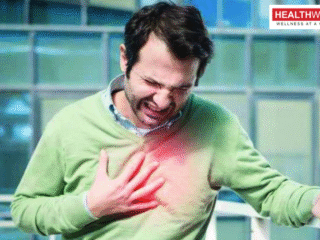
- Chest tightness or palpitations
- Unexplained fatigue
- Insomnia or disturbed sleep
- Irritability or anxiety
- Shortness of breath, especially during mild activity
If you experience chest pain, fainting, or severe breathlessness, seek immediate medical attention — these could be early signs of a cardiac emergency.
How to Protect Your Heart from Stress
Managing stress is not just about emotional balance — it’s about protecting your heart and longevity. Here are proven ways to keep both your mind and heart healthy:
1. Practice Deep Breathing and Meditation
Breathing exercises and mindfulness meditation lower heart rate and cortisol levels. Just 10 minutes of deep breathing daily can activate the parasympathetic nervous system, helping your body relax and stabilize blood pressure.
2. Stay Physically Active
Regular exercise is one of the best ways to combat stress. It releases endorphins — the body’s natural mood boosters — and improves blood circulation. Aim for 30 minutes of moderate activity, such as brisk walking, yoga, or swimming, five times a week.
3. Eat a Heart-Healthy Diet
Foods rich in omega-3 fatty acids, fiber, and antioxidants — like salmon, flaxseeds, green leafy vegetables, and berries — reduce inflammation and support heart health. Avoid processed foods, excessive caffeine, and sugary snacks.
4. Sleep Well
Quality sleep allows your body to recover and regulate hormones. Maintain a consistent sleep schedule and create a calming bedtime routine by reducing screen time and caffeine intake.
5. Stay Connected and Seek Support
Social connections buffer the effects of stress. Talking with friends, family, or a counselor can help you process emotions and reduce psychological strain.
6. Limit Alcohol and Quit Smoking
Alcohol and smoking may offer temporary relief but worsen stress and harm your heart in the long run. Reducing or eliminating them significantly improves blood pressure and heart health.
7. Schedule Regular Health Checkups
Monitor your blood pressure, cholesterol, and blood sugar levels regularly. Early detection of abnormalities can prevent serious complications.
When to Seek Professional Help
If stress feels unmanageable or begins to affect your sleep, appetite, or relationships, it may be time to seek professional help. A psychologist, psychiatrist, or stress management specialist can help you develop coping mechanisms and restore mental balance.
For those with existing hypertension or heart disease, managing stress should be a top priority alongside prescribed medication and lifestyle modifications.
Stress is unavoidable — but how you handle it determines your long-term heart health. While a little stress can motivate you, chronic stress silently damages arteries, raises blood pressure, and increases your risk of heart disease.
The key is to recognize stress early and take proactive steps to manage it through lifestyle changes, mindfulness, and emotional support. A calm mind doesn’t just bring peace — it keeps your heart strong.
So, the next time life feels overwhelming, pause, breathe deeply, and remember — your heart is listening.











Leave a comment