

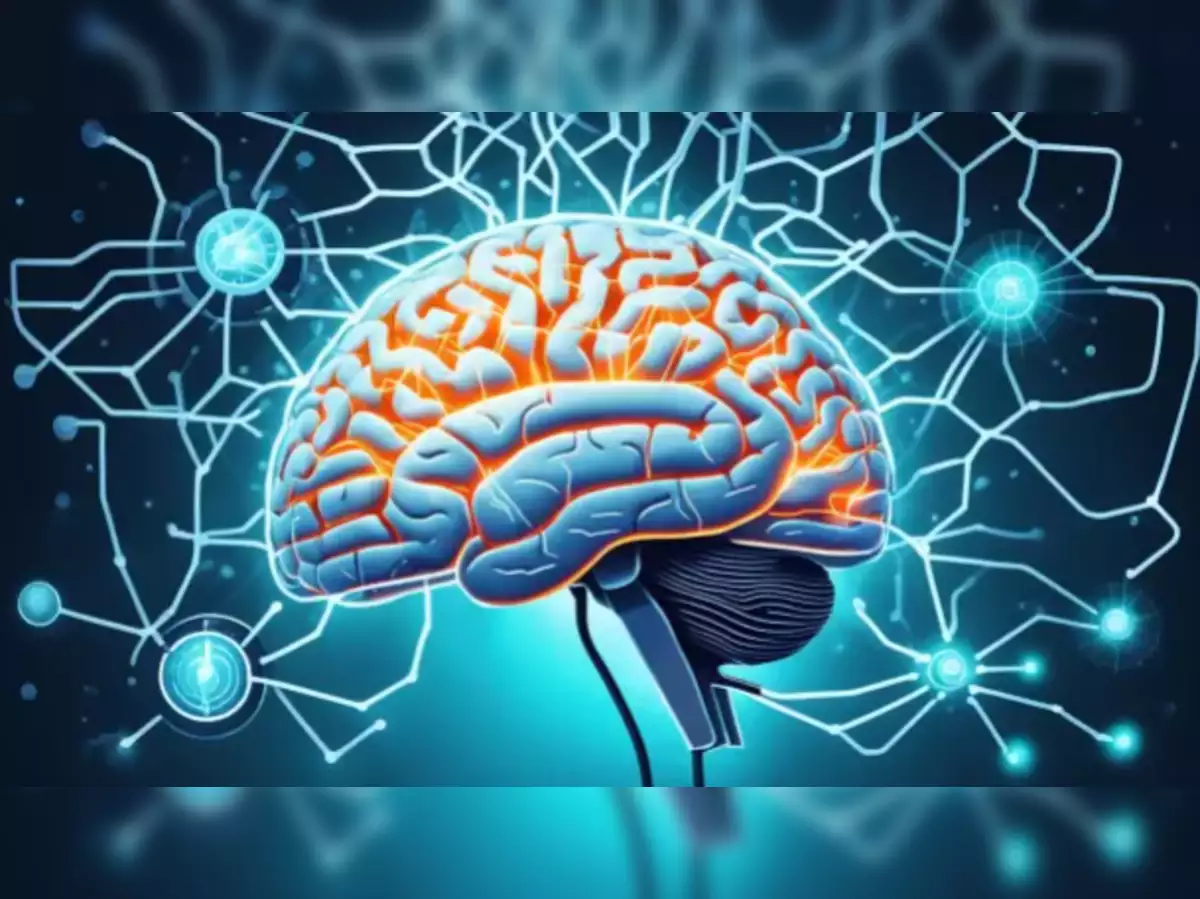
New Delhi, 25 May 2025: Since the beginning of the pandemic, COVID-19 has primarily been known for its respiratory effects. However, growing research now points toward a more alarming concern — the virus’s impact on the brain. While fever, cough, and shortness of breath are commonly discussed symptoms, many patients have also reported long-term neurological and psychological effects even after recovering from the infection. From memory loss and brain fog to anxiety and strokes, the neurological aftermath of COVID-19 can be both subtle and severe.
COVID-19 and the Brain: How the Virus Enters the Nervous System
The neurological impact of COVID-19 starts with how the virus invades the body. SARS-CoV-2, the virus responsible for COVID-19, gains entry into cells through the ACE2 receptors, which are found not just in the lungs but also in the brain and spinal cord. Once the virus enters the bloodstream, it can potentially reach the brain, triggering inflammation in the central nervous system (CNS). Studies suggest that this can lead to a disruption in normal brain function, contributing to a host of neurological symptoms.
Brain Fog and Cognitive Impairment After COVID-19
One of the most reported issues among COVID-19 survivors is “brain fog.” This term is used to describe a state of mental confusion, difficulty concentrating, poor memory, and slower cognitive function. Many individuals recovering from COVID-19 — even those who had mild symptoms — have complained of being unable to focus at work, forgetting basic tasks, and struggling with speech or decision-making.
Researchers believe that this post-COVID cognitive dysfunction may be caused by ongoing inflammation in the brain, blood clots, or oxygen deprivation that occurred during the infection. Brain imaging in some patients has revealed structural changes, including reduced gray matter in areas responsible for memory and processing emotions.
Mental Health Issues: Anxiety, Depression, and PTSD
The psychological toll of COVID-19 is undeniable. A significant number of patients have developed mental health issues such as anxiety, depression, and even post-traumatic stress disorder (PTSD) after infection. This can be attributed to both direct and indirect effects of the virus.
Directly, the virus may alter neurotransmitter levels and immune responses, affecting mood and emotional stability. Indirectly, the stress of hospitalization, social isolation, job loss, and fear of death can have lasting psychological consequences. According to multiple studies, the prevalence of depression and anxiety is significantly higher among COVID-19 survivors compared to the general population.
COVID-19 and Stroke: The Risk of Blood Clots
One of the more severe neurological complications linked to COVID-19 is an increased risk of stroke. The virus has been shown to increase the risk of blood clot formation, which can lead to ischemic strokes — a blockage in the blood vessels supplying the brain.
What makes this particularly dangerous is that strokes have been reported even in younger COVID-19 patients without prior risk factors. This has prompted neurologists to keep a close watch on COVID patients who present symptoms like sudden numbness, confusion, or difficulty speaking — all early warning signs of a stroke.
Long COVID and the Persistent Neurological Effects
For many people, the neurological symptoms of COVID-19 don’t end with the infection. The condition known as “Long COVID” includes a range of symptoms that persist for weeks or months after the initial illness has subsided. These may include ongoing fatigue, headaches, sleep disturbances, dizziness, and continued cognitive issues.
Long COVID affects the quality of life and productivity of many survivors. Studies are ongoing to better understand the full scope of its impact on the brain and nervous system, as well as potential treatments to alleviate these symptoms.
Children and COVID-19: Neurological Impact on Young Minds
While adults have shown significant neurological side effects, children are not entirely safe either. Some children have developed multisystem inflammatory syndrome (MIS-C) after a COVID-19 infection, which can involve the brain and nervous system. Symptoms in such cases can include confusion, seizures, and inflammation in the brain.
Though rare, these complications underline the importance of taking all age groups seriously when it comes to COVID-19 and its long-term effects.
Can Vaccines Protect Against Neurological Complications?
Vaccination remains one of the most effective ways to reduce the severity of COVID-19 and minimize the risk of complications, including those affecting the brain. Fully vaccinated individuals are less likely to experience severe illness, hospitalization, or prolonged symptoms, including neurological ones. While vaccines may not entirely eliminate the risk of post-COVID brain fog or mental health issues, they significantly lower the chances.
As the world continues to recover from the pandemic, it’s essential to understand that COVID-19 is more than just a respiratory illness. Its potential to harm the brain and nervous system makes it a complex and dangerous disease. If you’ve had COVID-19 and are experiencing persistent mental or neurological symptoms, don’t ignore them. Seek help from a neurologist or mental health professional.
By staying informed, taking preventive measures like vaccination, and seeking timely medical intervention, we can better protect our brain health in the face of this evolving virus.















Leave a comment