

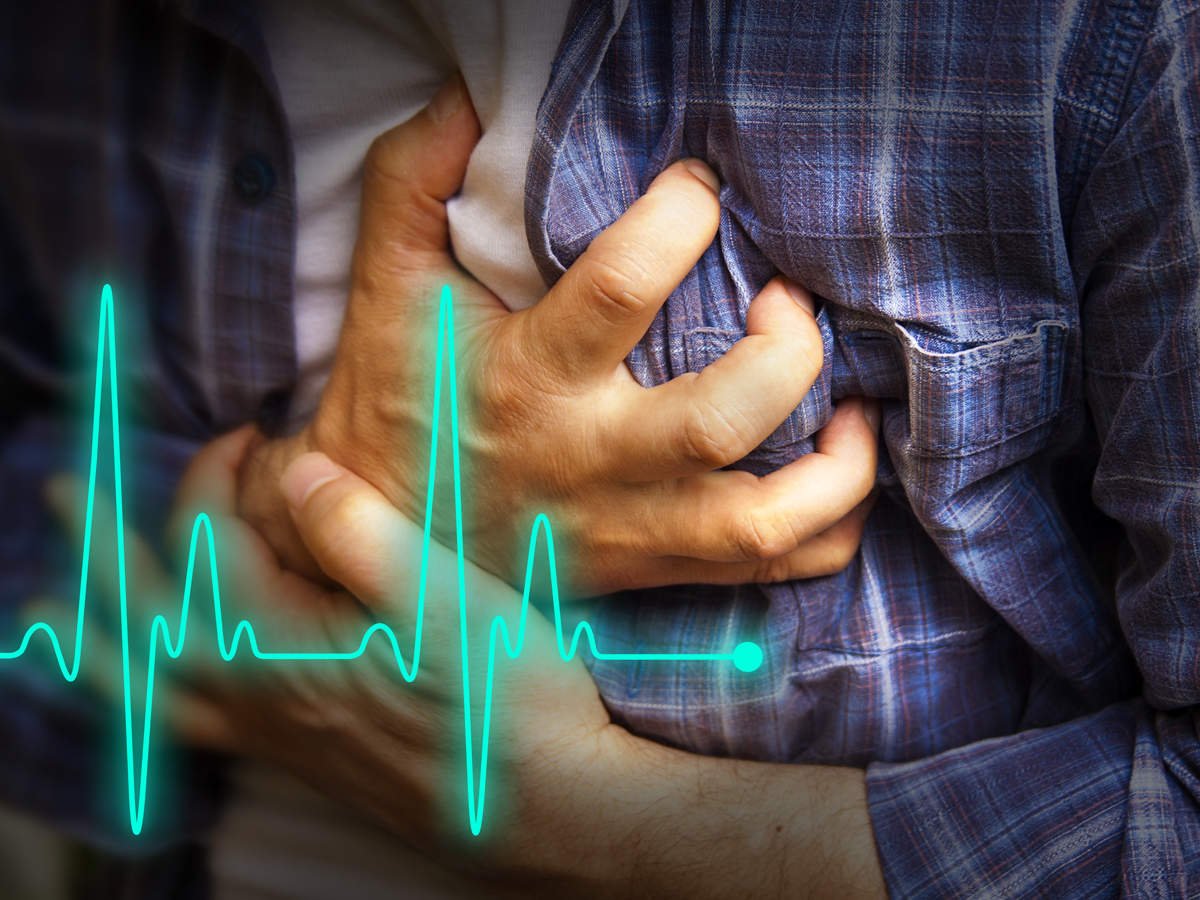
New Delhi, 02 June 2025: Heart disease remains the leading cause of death among men over 40 in India and worldwide. With lifestyle changes, increasing stress levels, poor dietary habits, and lack of regular health checkups, the risk of cardiac arrest, heart attacks, and other cardiovascular diseases rises significantly after crossing the 40-year mark.
We spoke to Dr. Rajeev Bansal, Senior Interventional Cardiologist at Delhi Heart Institute, to understand why men above 40 are more prone to cardiac issues, what early warning signs to watch for, and how to reduce the risk through simple lifestyle changes.
Why Are Men Over 40 at Higher Risk of Heart Diseases?
After 40, several physiological and hormonal changes occur in the male body. These, combined with lifestyle and genetic factors, increase the likelihood of plaque buildup in arteries, leading to coronary artery disease (CAD) – the most common cause of heart attacks.
Dr. Bansal explains, “Testosterone levels begin to decline after 40. Coupled with increasing stress, unhealthy food habits, alcohol consumption, and sedentary lifestyle, the risk of heart problems multiplies.”
Top Risk Factors for Heart Disease in Men Over 40
Here are the most critical risk factors that increase the chance of heart disease and sudden cardiac arrest in middle-aged men:
1. High Blood Pressure (Hypertension)
Often called the “silent killer,” high blood pressure damages the artery walls over time. Many men are unaware they have hypertension until they experience a cardiac event.
2. High Cholesterol Levels
Elevated LDL (“bad cholesterol”) and triglycerides contribute to plaque buildup, narrowing the arteries and increasing the risk of heart attacks.
3. Diabetes or Prediabetes
Uncontrolled blood sugar can damage the blood vessels and nerves that control the heart, especially in men over 40 with insulin resistance.
4. Obesity and Belly Fat
Excess abdominal fat is strongly linked to heart disease. A waist circumference of more than 40 inches (102 cm) in men is a red flag.
5. Smoking and Alcohol Consumption
Tobacco use significantly increases the risk of atherosclerosis (narrowing of arteries). Excess alcohol also contributes to arrhythmias, high BP, and obesity.
6. Sedentary Lifestyle
Lack of exercise slows metabolism, promotes weight gain, and reduces cardiovascular efficiency. Even 30 minutes of walking daily can lower heart risks.
7. High-Stress Levels
Chronic stress elevates cortisol, leading to high blood pressure, poor sleep, and inflammation – all contributors to heart disease.
8. Poor Diet
A diet rich in saturated fats, refined sugars, and processed foods increases LDL cholesterol and blood sugar – key drivers of heart disease.
Early Warning Signs of Heart Trouble in Men Over 40
Men over 40 should never ignore the following warning signs of heart issues:
- Chest pain or discomfort (especially during physical activity)
- Shortness of breath
- Pain in the jaw, left shoulder, or arm
- Sudden fatigue or dizziness
- Irregular heartbeat or palpitations
- Swelling in legs or feet
Dr. Bansal warns, “Cardiac arrest can occur without any prior symptoms, but in many cases, there are subtle signs a few days or hours before the event. Listen to your body.”
Can Supplements Help?
Some supplements like Coenzyme Q10, Omega-3, Magnesium, and Vitamin D may support heart function, especially in older men. However, Dr. Bansal cautions: “Supplements are never a replacement for lifestyle change or prescribed medication. Always consult your doctor before starting anything new.”
Heart Health in Your 40s: Take Charge Today
The 40s are a turning point in a man’s life – career pressures peak, responsibilities multiply, and metabolism slows down. But they can also be the decade of transformation.
With early intervention, healthy habits, and regular medical checks, cardiac arrests and heart attacks are preventable.
Heart diseases in men after 40 are on the rise, but they don’t have to be inevitable. Understanding your risk, knowing the early symptoms, and making consistent health-conscious choices can significantly reduce the likelihood of cardiac events.
Stay active, eat clean, manage stress, and prioritize your heart – because prevention truly is the best protection.











Leave a comment