

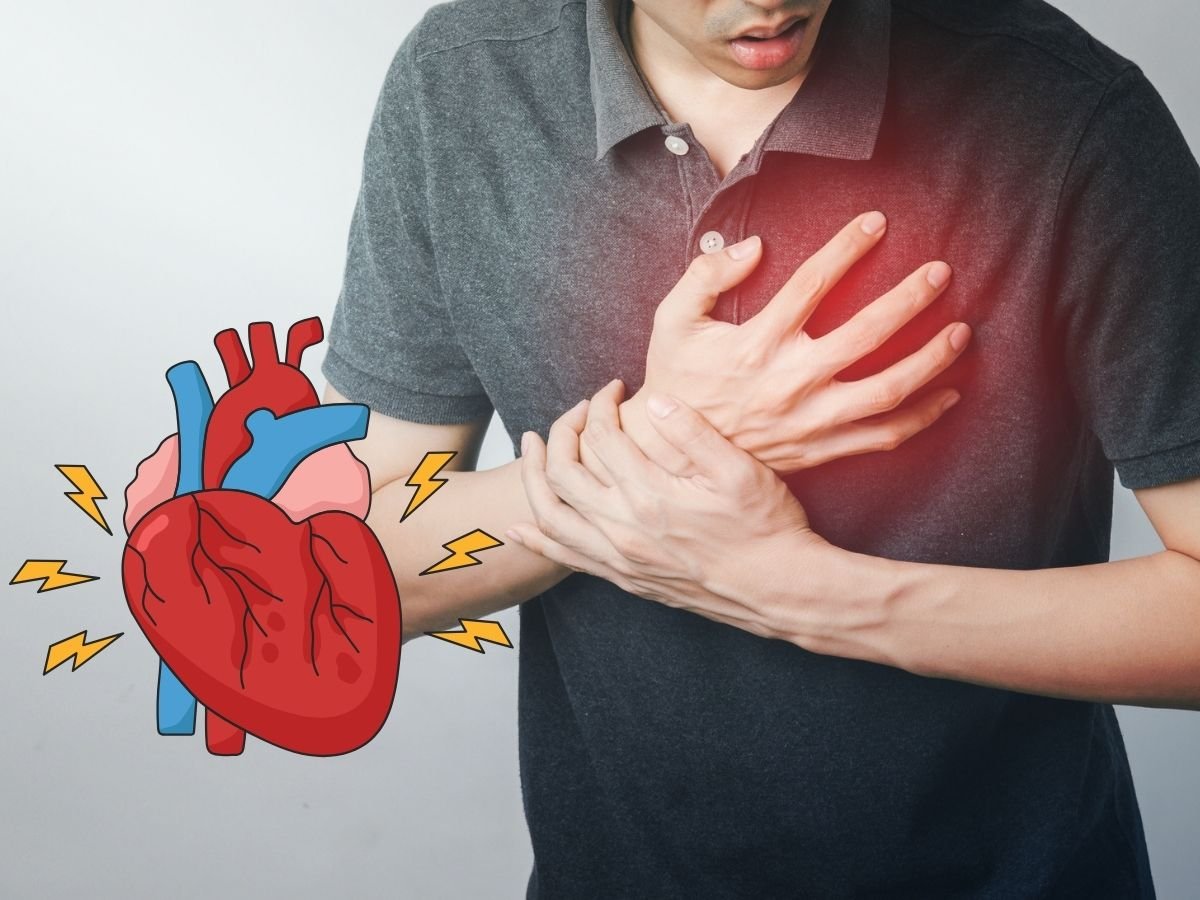
New Delhi, 03 May 2025: A heart attack, also called myocardial infarction in the books of medicine, is one of the leading causes of death globally. According to the World Health Organisation (WHO), the cases of heart attacks have increased massively in the past few years, pertaining to poor lifestyle habits and uncontrolled underlying health conditions.
While heart attacks are often thought of as sudden and intense episodes, in many cases, the body gives early warning signs that appear days or even weeks before the actual event. Scroll down to know how you can also easily recognise these signs and save lives actively.
Heart Attack Symptoms You Should Never Ignore
Recognizing these pre-heart attack symptoms can save lives by allowing timely medical intervention and lifestyle changes. Experts say that many of these early signs are subtle, often mistaken for minor ailments, and unfortunately ignored until it’s too late.
- Persistent Fatigue and Unusual Tiredness
One of the most common symptoms that appear weeks before a heart attack is persistent fatigue. You may feel unusually tired even after adequate rest, and daily tasks may feel more physically demanding than usual. This kind of fatigue is not the same as being tired after a long day—it’s a deep, unshakable exhaustion that lingers. This occurs due to reduced oxygen-rich blood flow to the heart and muscles, making your body work harder to function normally.
- Shortness of Breath
Another early red flag is shortness of breath or breathlessness, which may occur during mild physical activity or even at rest. This symptom indicates that your heart is not pumping blood efficiently, leading to poor oxygen exchange in your lungs. If you find yourself gasping for breath after climbing a flight of stairs or feel winded without much exertion, it could be a signal that something is wrong with your cardiovascular system.
- Chest Discomfort or Mild Pain
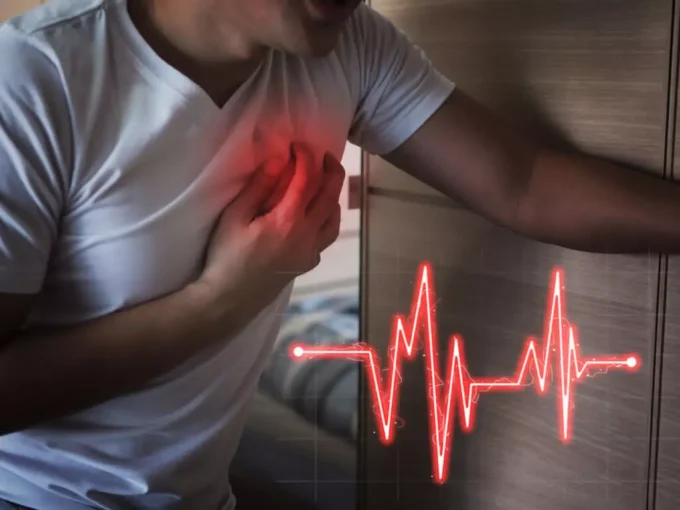
While sharp chest pain is commonly associated with heart attacks, mild chest discomfort that occurs intermittently over weeks is often a precursor symptom. This discomfort might feel like pressure, tightness, squeezing, or fullness in the center or left side of the chest. It can come and go and might even radiate to the arms, back, neck, or jaw. Unfortunately, many people dismiss this as heartburn or muscle strain, missing the opportunity for early diagnosis.
- Irregular Heartbeat or Palpitations
Feeling like your heart is skipping beats, fluttering, or beating too fast without an obvious reason is not something to ignore. This could indicate arrhythmia or reduced blood flow, both of which increase the risk of a heart attack. If palpitations are accompanied by dizziness, sweating, or chest discomfort, it is critical to seek immediate medical attention.
- Excessive Sweating
Profuse and unexplained sweating, especially cold sweats, can be a warning sign of an impending heart attack. Unlike sweating from exercise or heat, this kind of sweating occurs suddenly and may be accompanied by lightheadedness or nausea. It’s your body’s way of signaling distress due to restricted blood flow and oxygen.
- Swelling in Legs, Ankles, or Feet
When your heart’s pumping ability weakens, blood can back up in the veins, leading to fluid retention in your extremities. This causes swelling (edema) in the legs, ankles, or feet and may also be accompanied by weight gain. Swelling that doesn’t subside with rest or elevating the legs could be a sign of heart failure or cardiovascular strain, which can precede a heart attack.
- Nausea, Indigestion, or Abdominal Pain
Many people—especially women—experience nausea, indigestion, or stomach pain before a heart attack. These symptoms are often confused with gastrointestinal issues like acid reflux or food poisoning. However, when the discomfort is persistent, unexplained, and accompanied by fatigue or sweating, it could be due to a lack of oxygenated blood reaching the digestive system as the heart struggles to function properly.
- Anxiety or a Feeling of Impending Doom
Some individuals report feeling anxious or having an unshakable sense of dread or impending doom before a heart attack. This is not always psychological—your body could be reacting to changes in oxygen levels and cardiovascular stress. This internal alert system should not be taken lightly, especially if it is paired with any of the physical symptoms mentioned above.
Why You Should Never Ignore These Early Symptoms of Heart Attack
Ignoring these early signs of heart trouble can be dangerous. While not every symptom points to an imminent heart attack, multiple or recurring symptoms should never be overlooked. Early intervention through medication, lifestyle modification, or surgical procedures like angioplasty can prevent a full-blown heart attack and save your life.
Routine health check-ups, managing stress, staying physically active, avoiding tobacco, and keeping cholesterol and blood pressure in check are essential steps in maintaining heart health. If you experience any combination of the above symptoms, consult a cardiologist immediately. The earlier a heart issue is detected, the better the chances of recovery and survival.












Leave a comment