


New Delhi, 12 September 2025: Sleep is often described as the body’s natural reset button. While most people associate good sleep with better energy, sharper focus, or improved mood, very few realize that the way you sleep—or fail to sleep—can deeply affect your heart. In fact, irregular sleep patterns can quietly put you at risk of a heart attack, especially during the night or early morning hours.
According to cardiologists, sleep is more than just rest; it is a crucial phase when the heart and blood vessels repair themselves. Disrupting this cycle with inconsistent bedtimes, poor sleep hygiene, or untreated sleep disorders can increase blood pressure, disturb circadian rhythms, and trigger cardiovascular complications.
So, why do heart attacks tend to strike at night? And what role does irregular sleep play in this hidden danger? Let’s break it down.
Why Heart Problems Spike at Night
Studies show that the risk of heart attacks is not evenly distributed throughout the day. Many incidents occur either late at night or in the early morning hours. This timing is not random—our body’s natural rhythms, hormones, and heart activity shift dramatically during these hours.
When you fall asleep, your body produces cortisol, a hormone linked to stress response. Normally, cortisol helps regulate metabolism, blood pressure, and alertness. But when cortisol levels rise excessively at night, they can narrow blood vessels and increase blood pressure at a time when your heart should be resting.
According to experts, this creates a “perfect storm” for cardiovascular events. A sudden spike in blood pressure, combined with restricted blood vessels, forces the heart to work harder. If you already have hypertension, blocked arteries, or underlying cardiovascular disease, this can dramatically increase your chances of a heart attack.
Expert Insights: How Sleep Affects Heart Health
Dr. L.K., a senior cardiologist, explains:
“Irregular sleep patterns can strain the heart even more than stress or diet, as they disrupt natural circadian rhythms and raise blood pressure when the body is supposed to be at rest.”
Dr. Jha, another leading cardiology expert, adds:
“When blood pressure rises, blood vessels tighten, and the heart beats faster, the stage is set for a dangerous storm inside the body, especially for those already living with heart disease.”
Together, these insights highlight that sleep should be considered as important for heart health as diet, exercise, and stress management.
Why Irregular Sleep Increases Night-Time Risk
- Disrupted Circadian Rhythm
The circadian rhythm controls when your body rests and repairs itself. Disturbing it with late nights, frequent all-nighters, or shift work weakens the cardiovascular system. - High Blood Pressure Spikes
A normal, healthy heart experiences a “dip” in blood pressure at night. If you sleep irregularly, this dip may not happen, leading to long-term strain on the arteries. - Increased Stress Hormones
Sleep deprivation or poor-quality sleep raises levels of cortisol and adrenaline, hormones that directly increase the likelihood of cardiovascular events. - Sleep Apnea & Oxygen Drops
Sleep disorders like sleep apnea—where breathing stops and starts repeatedly during sleep—can cause oxygen levels to fall, stressing the heart. - Hidden Inflammation
Poor sleep is linked to chronic inflammation in the body, which is a known contributor to heart attacks and strokes.
Can a Heart Attack at Night Be More Dangerous?
Yes, in some cases. Night-time heart attacks may go unnoticed longer because symptoms can be mistaken for indigestion, anxiety, or even nightmares. People living alone are at higher risk, as immediate medical attention may be delayed.
Additionally, at night the parasympathetic nervous system dominates, slowing heart rate and blood pressure. If a blockage or sudden event occurs during this period of reduced activity, the body may be less capable of compensating, making the heart attack more severe.
Warning Signs of a Night-Time Heart Attack
Even though heart attacks are often sudden, many come with warning signs hours—or even days—before. Common symptoms include:
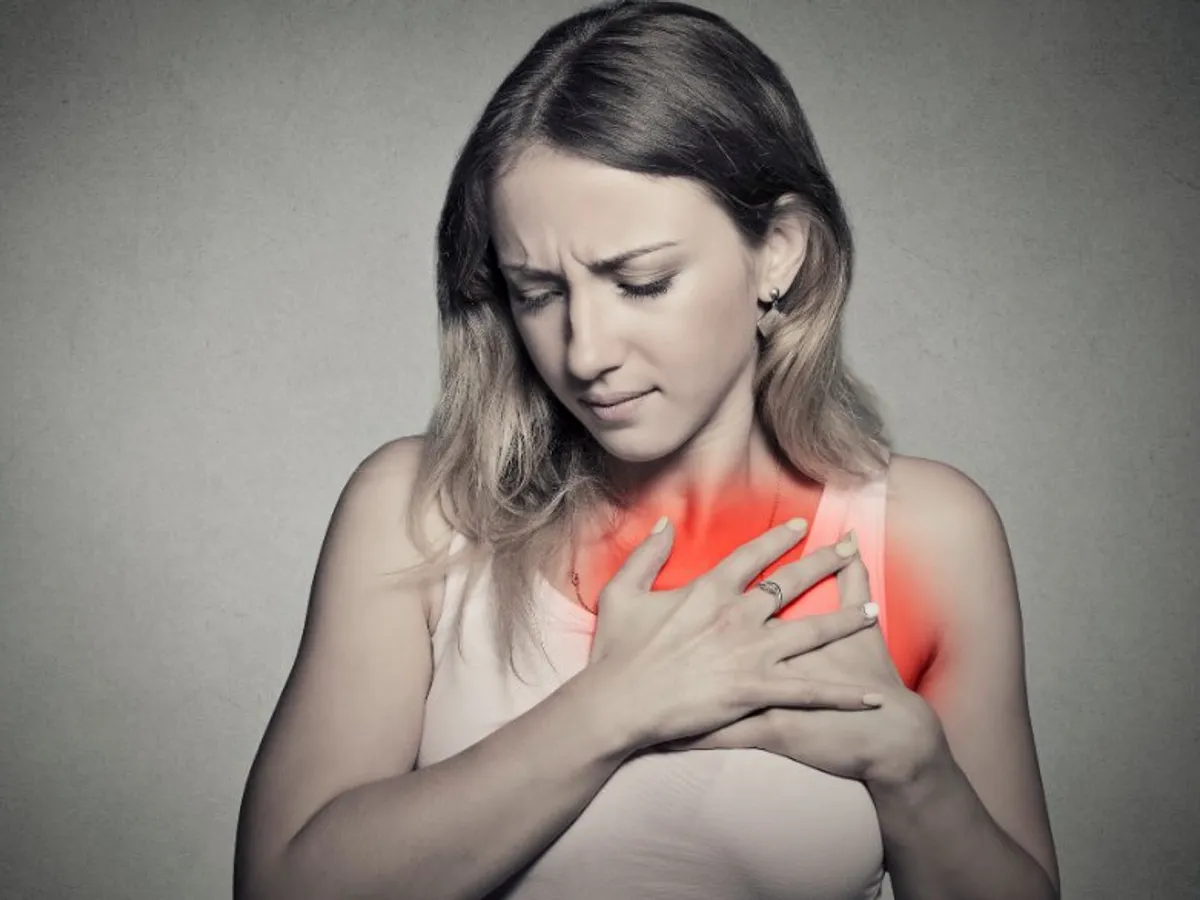
- Sudden chest discomfort or tightness while lying down
- Shortness of breath that worsens at night
- Sweating or unexplained fatigue before bedtime
- Pain spreading to the arm, back, neck, or jaw during sleep
- Waking up with palpitations or a racing heart
If you experience these symptoms, don’t ignore them. Seek medical help immediately.
How to Reduce Your Risk of Night-Time Heart Attacks
The good news is that small lifestyle changes can significantly reduce your risk. Here are some practical, doctor-recommended steps:
1. Maintain a Consistent Sleep Schedule
Go to bed and wake up at the same time daily—even on weekends. This stabilizes your circadian rhythm and reduces heart strain.
2. Monitor Blood Pressure Regularly
Check your blood pressure both in the evening and early morning. This helps catch unusual spikes that could signal cardiovascular risks.
3. Take Medications as Prescribed
Never skip prescribed medicines for high blood pressure, cholesterol, or heart conditions. Missing doses, especially at night, can increase risk.
4. Limit Salt and Heavy Meals Before Bed
Consuming salty or heavy foods late at night raises blood pressure. Choose lighter meals for dinner and avoid late-night snacking.
5. Manage Stress Before Sleep
Engage in deep breathing, meditation, or light yoga before bedtime. Calming activities reduce stress hormones and prepare your body for restorative sleep.
6. Avoid Alcohol and Excess Caffeine
Alcohol and caffeine interfere with deep sleep stages, keeping stress hormones elevated and blood pressure higher through the night.
7. Get Screened for Sleep Disorders
If you snore heavily, wake up gasping, or feel excessively tired during the day, consult a doctor to check for sleep apnea. Treating it can dramatically lower heart attack risk.
Role of Regular Checkups
Many people underestimate the value of preventive health screenings. A simple ECG, cholesterol test, or blood pressure monitoring can reveal hidden risks. Doctors often detect early signs of heart disease long before a major event occurs.
For people with family history of heart disease, hypertension, or diabetes, scheduling regular checkups is essential. Early detection allows for timely intervention, which can be lifesaving.
While stress, poor diet, and lack of exercise are well-known heart risk factors, irregular sleep is often ignored. Yet, science clearly shows that the way we sleep deeply influences our cardiovascular health. Night-time heart attacks are not just a random occurrence—they are linked to disrupted circadian rhythms, hormone fluctuations, and poor lifestyle habits.
By prioritizing regular sleep, monitoring heart health, and managing stress, you can dramatically reduce your risk. Heart health begins not only with what you eat and how much you move, but also with how well you sleep.
So tonight, when you switch off your phone and dim the lights, remember: sleep isn’t just rest—it’s medicine for your heart.















Leave a comment