Bird flu, also known as avian influenza, is a viral infection that primarily affects birds but can occasionally infect humans. Among the various strains, H5N1 is the most concerning due to its high fatality rate in humans. While human cases are rare, awareness of risk factors, symptoms, and preventive measures is essential for protecting yourself and your community.
What Is H5N1 Bird Flu?
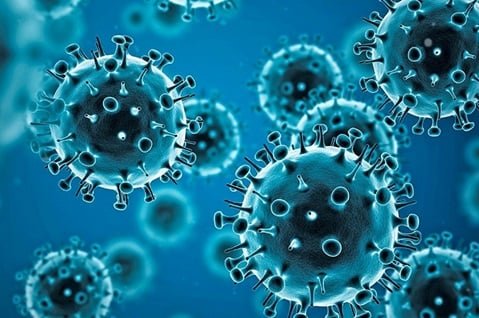
H5N1 is a subtype of the influenza A virus that mainly spreads among poultry. Humans can contract the virus through direct contact with infected birds, their droppings, or contaminated surfaces. Although the virus does not easily transmit from person to person, close exposure in markets, farms, or during handling of sick birds increases the risk.
Who Is at Risk?
Certain groups are more susceptible to H5N1 infection:
- Poultry workers and farmers: Direct contact with infected birds or contaminated cages.
- Market vendors and handlers: Exposure to live or slaughtered birds.
- Travelers to areas with outbreaks: Visiting farms, live bird markets, or regions reporting bird flu.
- Individuals with weakened immunity: Older adults, people with chronic conditions, or immunocompromised individuals may be more vulnerable.
Understanding your risk helps you take appropriate preventive measures.
Early Signs and Symptoms
H5N1 infection in humans often starts like a common flu but can progress rapidly. Early symptoms include:
- Fever and chills
- Cough, sore throat, or nasal congestion
- Muscle aches and fatigue
- Headache
- Eye redness or conjunctivitis (in some cases)
As the infection worsens, it can lead to severe respiratory issues such as pneumonia, shortness of breath, and, in critical cases, multi-organ failure. Prompt medical attention is crucial if bird flu is suspected.
How the Virus Spreads
The primary mode of H5N1 transmission to humans is direct contact with infected birds or contaminated surfaces. Unlike seasonal flu, human-to-human spread is extremely rare but has been documented in isolated cases. The virus can survive for a period on feathers, droppings, or contaminated water, making hygiene and safe handling of poultry essential.
Prevention and Protection
Protecting yourself from H5N1 involves reducing exposure and practising strict hygiene:
- Avoid contact with sick or dead birds: Do not touch poultry that appears ill or has died from unknown causes.
- Use protective equipment: Gloves, masks, and aprons can reduce direct contact risk.
- Cook poultry thoroughly: H5N1 is destroyed by proper cooking; avoid raw or undercooked meat and eggs.
- Wash hands frequently: Use soap and water after handling poultry or cleaning cages.
- Maintain clean living and working spaces: Disinfect areas where birds are kept.
- Seek medical attention early: Report flu-like symptoms promptly if you’ve been exposed to birds in affected areas.
Vaccines for H5N1 exist but are primarily used for high-risk populations or during outbreaks. Standard seasonal flu vaccines do not protect against H5N1.
Government and Community Measures
Authorities monitor H5N1 outbreaks closely and may implement measures such as:
- Poultry culling in affected areas
- Quarantine of infected farms
- Public advisories on hygiene and market closures
- Surveillance and testing of poultry populations
Community awareness and cooperation are vital for controlling the spread.
Conclusion
Although H5N1 bird flu remains rare in humans, its potential severity makes awareness and prevention critical. Knowing the risk factors, recognizing early symptoms, and following strict hygiene measures can reduce your risk. Avoiding contact with sick birds, cooking poultry thoroughly, and seeking prompt medical care are key steps to protect yourself and your family.