

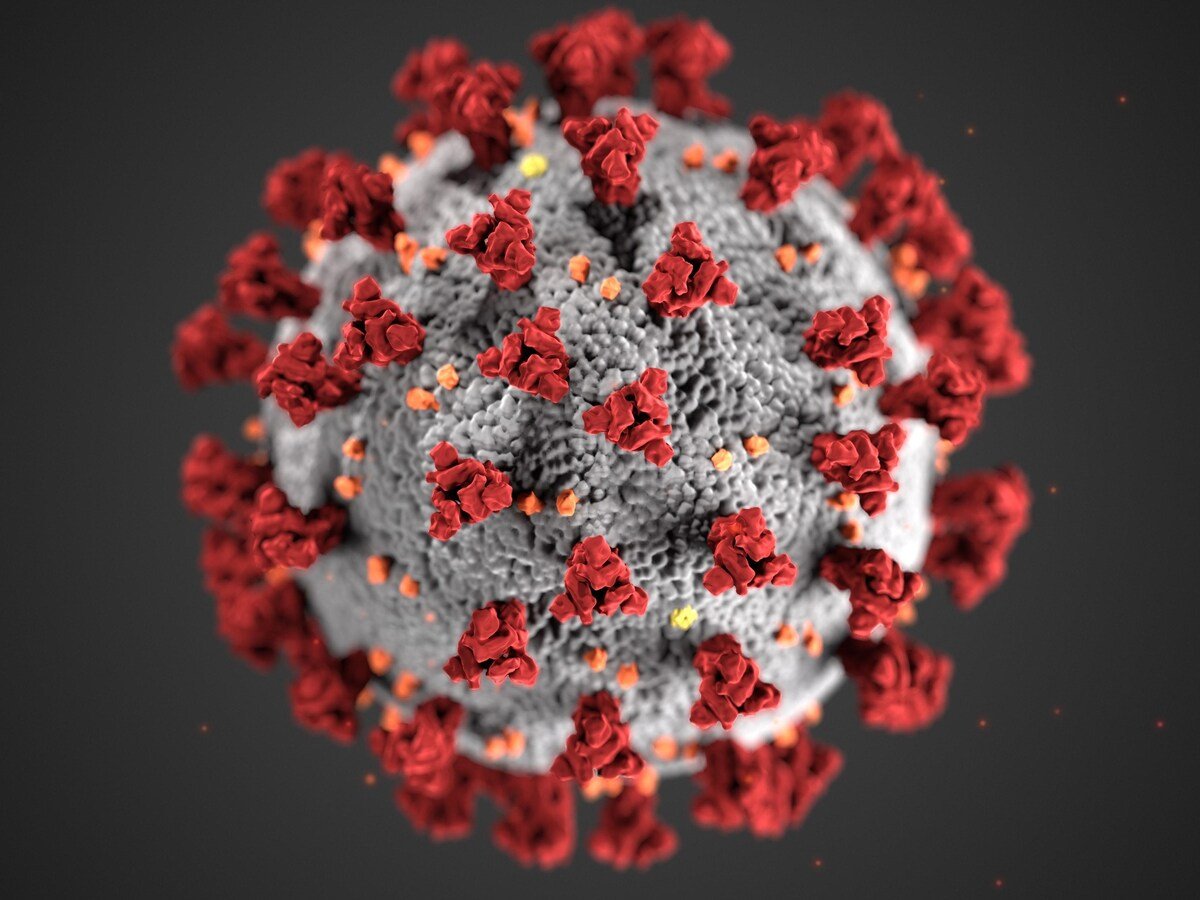
New Delhi, 18 September, 2025: Delhi-NCR is dealing with a sharp rise in flu cases, driven largely by the H3N2 subtype of Influenza A. What was once considered a “common flu” is now causing heightened concern among medical experts because of its faster spread, more severe symptoms in vulnerable groups, and longer recovery periods. This surge is stressing clinics and raising questions among residents about what they should be doing to stay safe.
This article outlines what H3N2 is, what symptoms to watch out for, who is most at risk, how it spreads, what the treatment looks like, and—most importantly—concrete steps you can take to protect yourself and your community.
What Is H3N2?
- Influenza A subtype: Influenza A has several subtypes; H3N2 is one of them, characterized by surface proteins called haemagglutinin (H3) and neuraminidase (N2).
- Seasonal flu driver: H3N2 often causes seasonal flu outbreaks, and due to its ability to mutate, it can sometimes be more severe or cause atypical symptoms compared to milder strains.
- Mutations and immune evasion: Because the virus can mutate (antigenic drift), immunity (from prior flu infections or vaccines) may not always be fully protective, making annual vaccination and vigilance important.
Current Situation in Delhi-NCR
- A large proportion of households in Delhi, Noida, Gurugram, Faridabad, and Ghaziabad report one or more members showing flu-like illness.
- Symptoms are showing up suddenly and in many cases persisting beyond the normal duration for seasonal flu.
- Increased hospital visits due to severe cough, breathing issues, and complications in individuals with underlying health conditions.
- Children, elderly people, pregnant women, and people with chronic diseases are particularly affected.
Key Symptoms to Watch For
The signs of H3N2 infection are similar to flu but may develop more suddenly or be more intense in some cases. Important symptoms include:
- High fever (often sudden onset) and chills
- Body aches, fatigue and extreme tiredness
- Sore throat, dry or persistent cough
- Headache and sometimes dizziness
- Nasal congestion, runny or blocked nose
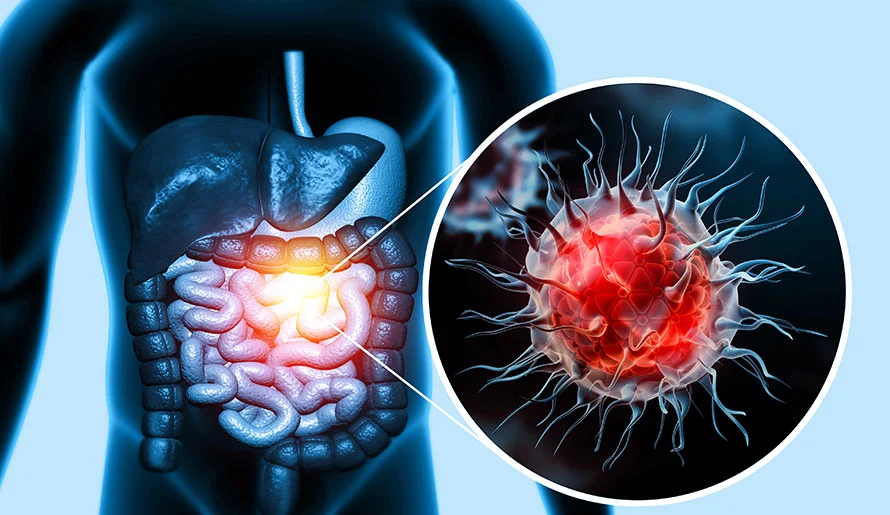
- Sometimes gastrointestinal symptoms, like nausea, vomiting or diarrhea, especially in children
- In more serious cases: breathing difficulties, chest pain, high fever that does not respond to over-the-counter meds
If someone afflicted begins to show dangerous signs—difficulty breathing, chest tightness, confusion, or worsening of an existing chronic condition—medical attention immediately is essential.
Who’s Most at Risk
While healthy people may recover without complications, there are groups who face much higher risks:
- Young children (especially under 5 years)
- Older adults, particularly those over 65
- Pregnant women
- People with underlying health issues such as asthma, chronic lung disease (COPD), heart disease, diabetes, immune suppression
- Those with poor nutrition or those exposed to polluted or crowded environments
How H3N2 Spreads
Knowing how it spreads helps in setting prevention priorities:
- Respiratory droplets: When infected person coughs, sneezes, or even talks, droplets carrying the virus can land in noses or mouths of others.
- Surface contamination: Virus can survive, for some time, on surfaces. Touching contaminated surfaces and then touching the face (nose, mouth, eyes) can lead to infection.
- Close contact in crowded or poorly-ventilated places increases risk significantly.
Treatment & Recovery
- Most mild cases can be managed at home with rest, hydration, over-the-counter medicines for fever, aches.
- Doctors may prescribe antiviral medication (such as oseltamivir) especially if:
- It’s early in the infection (ideally within 48 hours of symptom onset)
- The person is in a high-risk group
- There are signs of complications
- Monitoring symptoms is important; if fever remains high, breathing becomes difficult, or chest discomfort arises, seeking professional medical care without delay is critical.
Prevention: What You Can Do
Prevention is the most powerful tool here. Here are practical steps everyone in Delhi-NCR (or similar settings) should follow:
- Get vaccinated: Seasonal flu vaccine (covering H3N2 among other strains) is key. Those at higher risk should especially make this a priority.
- Good hand hygiene: Wash hands frequently with soap and water for at least 20 seconds, especially after being in public places or touching surfaces. When soap isn’t available, use sanitizer with at least 60% alcohol.
- Mask up in crowds: Wearing masks in crowded, indoor or poorly ventilated settings helps reduce exposure.
- Cover coughs and sneezes properly: Use tissue or elbow; discard tissue immediately and wash hands.
- Ventilate indoor spaces: Keep windows open, use air filters if available; avoid being in poorly ventilated rooms, especially where many people gather.
- Avoid close contact with people who are sick: If someone near you has symptoms, maintain distance till they recover.
- Stay home if you’re sick: Don’t go to work or school with flu symptoms—this helps prevent spread.
- Boost your immune system: Adequate sleep, balanced diet (fruits, vegetables, proteins), hydration, reducing stress and avoiding over-exertion help your body respond better.
- Clean frequently touched surfaces: Door knobs, mobile phones, handles, switches—regular disinfection reduces risk of indirect transmission.
Preventive Behaviors & Public Health Measures
- Public health authorities should increase flu vaccination drives, especially in vulnerable populations.
- Hospitals and clinics need to be alert, improving early detection capabilities and ensuring antiviral medicines are available.
- Awareness campaigns are essential: educating people about symptoms of H3N2 vs regular flu, when to see a doctor, and what preventive steps are most effective.
- Monitoring flu strain changes and ensuring vaccine strain alignment with circulating viruses can help reduce severity.
What to Do If You Get Sick
If you believe you have contracted the H3N2 flu:
- Isolate yourself as much as possible at home.
- Rest and avoid strenuous activities.
- Keep yourself well-hydrated (fluids, broths, water).
- Use fever reducers/analgesics (under guidance) to manage fever and body aches.
- Seek medical care early if you’re in a risk group or if symptoms worsen.
- Monitor oxygen levels if possible; breathing difficulty is a red flag.
Challenges & Issues in Managing the Outbreak in Delhi-NCR
- Low vaccine uptake: Many people avoid flu shots due to cost, lack of awareness, or believing flu is “just a cold.”
- Overcrowding & pollution: These amplify spread and worsen symptoms.
- Healthcare access disparities: People in less affluent areas may delay seeking care.
- Symptom overlap: H3N2 may mimic symptoms of other respiratory illnesses, including COVID, which can confuse diagnosis and delay appropriate treatment.
- Antiviral availability & timing: Effectiveness drops if antiviral meds are started late.
Why This Matters: Impact & Risks
- Even if mortality is not extremely high for most healthy people, morbidity (duration of illness, severity) can be large, leading to lost work/school days, medical costs.
- Vulnerable populations are at serious risk of complications, hospitalization, and in worst cases, death.
- Health systems can strain when many people fall ill at once.
- Preventing spread now can reduce likelihood of further mutations or more severe outbreaks.
Recovery & Long-term Care
- After symptoms subside, many people still report lingering cough, weakness, fatigue; rest is essential even after fever drops.
- Nutritional support helps recovery: protein, fresh produce, fluids.
- For those with lung/chronic diseases, physiotherapy or breathing exercises may help.
- Avoid rushing back into physical exertion; gradual ramp-up is important.
The H3N2 flu wave rolling through Delhi-NCR is a reminder that viral infections still pose serious risks, especially when people are less vigilant. While most people will recover with proper care, prevention, early treatment, and public awareness are key to reducing harm—especially among the vulnerable.
By taking simple, evidence-based precautions—vaccination, hygiene, masks in crowded spaces, staying home when sick—and knowing when to seek medical attention, individuals can protect themselves and help slow the spread in their community. As flu season progresses, staying informed and proactive matters more than ever.















Leave a comment