

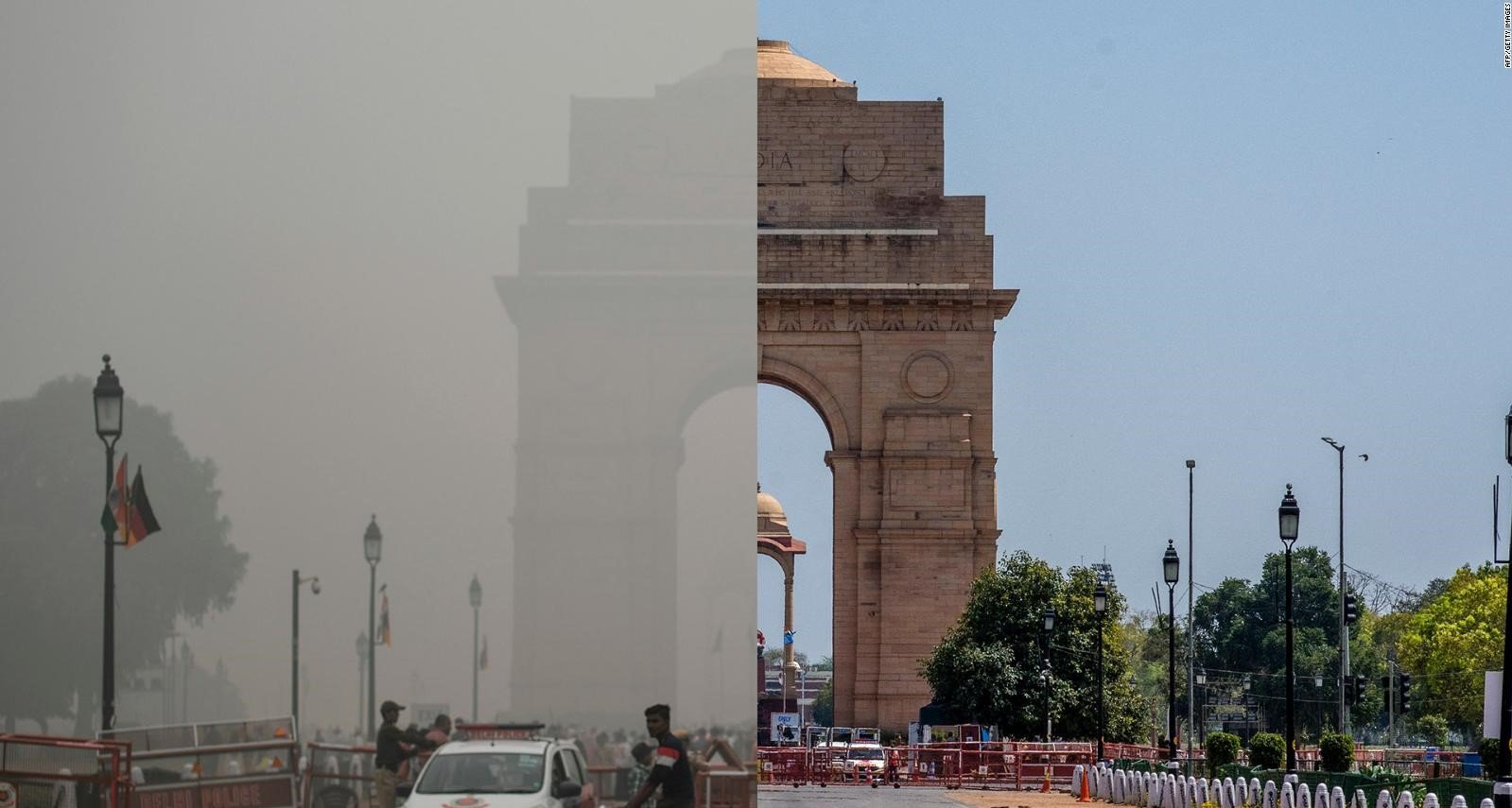
New Delhi, 18 November 2024: The Commission for Air Quality Management (CAQM) in Delhi-NCR has imposed the Stage-lV (‘Severe+’ Air Quality) actions of the updated Graded Response Action Plan (GRAP) in addition to the Stage-I, II, and III actions that are already in effect to combat the rising air pollution crisis in the national capital.
The national capital’s air quality index (AQI) was 441 (Severe) around 4 p.m. on Sunday, according to CAQM. The AQI recorded 447, 452, and 457 at 5 p.m., 6 p.m., and 7 p.m. on Sunday, respectively, indicating that it has been steadily rising further and has now reached the Severe+ category.
Delhi’s air quality categorized into four stages according to the National Capital Region’s (NCR) Graded Response Action Plan (GRAP): Stage I is “poor” (AQI 201-300); Stage II is “very poor” (AQI 301-400); Stage III is “severe” (AQI 401-450); and Stage IV is “severe plus” (AQI >450).
GRAP Stage 4: What is banned in Delhi?
Under GRAP Stage 4, strict restrictions are set to curb emissions:
Diesel-run medium and heavy goods vehicles registered in Delhi (BS-IV or below) banned, except those carrying essential goods.
Non-essential light commercial vehicles from outside Delhi prohibited unless they use cleaner fuels like CNG, BS-VI diesel, or are electric vehicles.
Trucks carrying non-essential items barred from entering Delhi unless they operate on LNG, CNG, or BS-VI diesel.
Schools and workplaces face adjustments as well. The CAQM panel recommended shifting classes 6 to 9 and class 11 to online mode.
Offices in NCR are advised to operate at 50 per cent capacity, with the remaining workforce working from home.
Schools and workplaces face adjustments as well. The CAQM panel recommended shifting classes 6 to 9 and class 11 to online mode.
Offices in NCR are advised to operate at 50 per cent capacity, with the remaining workforce working from home.
Breathing Toxic Smog: The Hidden Dangers to Your Health Revealed
Inhaling toxic, smog-filled air presents serious health threats that can manifest in different ways. You might wonder why this is so alarming. To begin with, smog is laden with harmful pollutants that can trigger respiratory problems, heart diseases, and even cognitive issues. Moreover, certain groups, such as children and the elderly, are more vulnerable to these risks. Additionally, prolonged exposure can pave the way for chronic illnesses, while smog can worsen existing health concerns. It’s vital to know how to protect yourself from these dangers. How do we address these risks? By staying informed and taking proactive measures.
Respiratory Issues
One of the most noticeable effects of breathing in smog is the onset of respiratory problems. Toxic air can irritate your lungs and throat, causing symptoms like coughing, wheezing, and trouble breathing. For those with pre-existing conditions like asthma or chronic obstructive pulmonary disease (COPD), even a brief exposure to smog can trigger severe episodes. The tiny particles in smog can penetrate deep into the lungs, causing inflammation and gradually reducing lung function.
You May also like this-
Cardiovascular Diseases
Beyond just breathing issues, toxic smog is also linked to cardiovascular diseases. Research has indicated that long-term exposure to air pollution can elevate the risk of heart attacks, strokes, and high blood pressure. The pollutants found in smog can enter your bloodstream, leading to inflammation in blood vessels and increasing blood pressure. This hidden danger illustrates the need for clean air to maintain heart health, especially for those already facing cardiovascular challenges.
Neurological Effects
Recent investigations have started to reveal the neurological consequences of breathing toxic smog. Airborne pollutants have been tied to cognitive decline and a heightened risk of conditions like Alzheimer’s. The brain is especially sensitive to the damaging effects of air pollution, which can cause inflammation and oxidative stress. This growing body of evidence underscores the importance of recognizing how air quality affects not just our physical health but also our mental wellness.
Vulnerable Populations
Certain groups of people are particularly at risk from the dangers of smog. Children, whose lungs are still growing, face a higher likelihood of suffering long-term health repercussions from air pollution. In the same vein, elderly individuals often have weaker immune systems and existing health issues that toxic air can worsen. It’s crucial for caregivers and community leaders to focus on initiatives that improve air quality to protect these vulnerable demographics from smog’s harmful effects.
Read Also – Is Marijuana Smoking a Hidden Cancer Risk? Here’s What Study Says
Preventive Measures: Protecting Yourself
While the threats posed by smog are evident, there are steps you can take to safeguard your health. Staying indoors during days of high pollution, utilizing air purifiers, and wearing masks can significantly reduce your exposure. Additionally, advocating for policies that promote cleaner air and supporting local efforts to combat pollution can foster lasting change. Education and awareness play key roles in the battle against air pollution, empowering everyone to take control of their health.












Leave a comment