

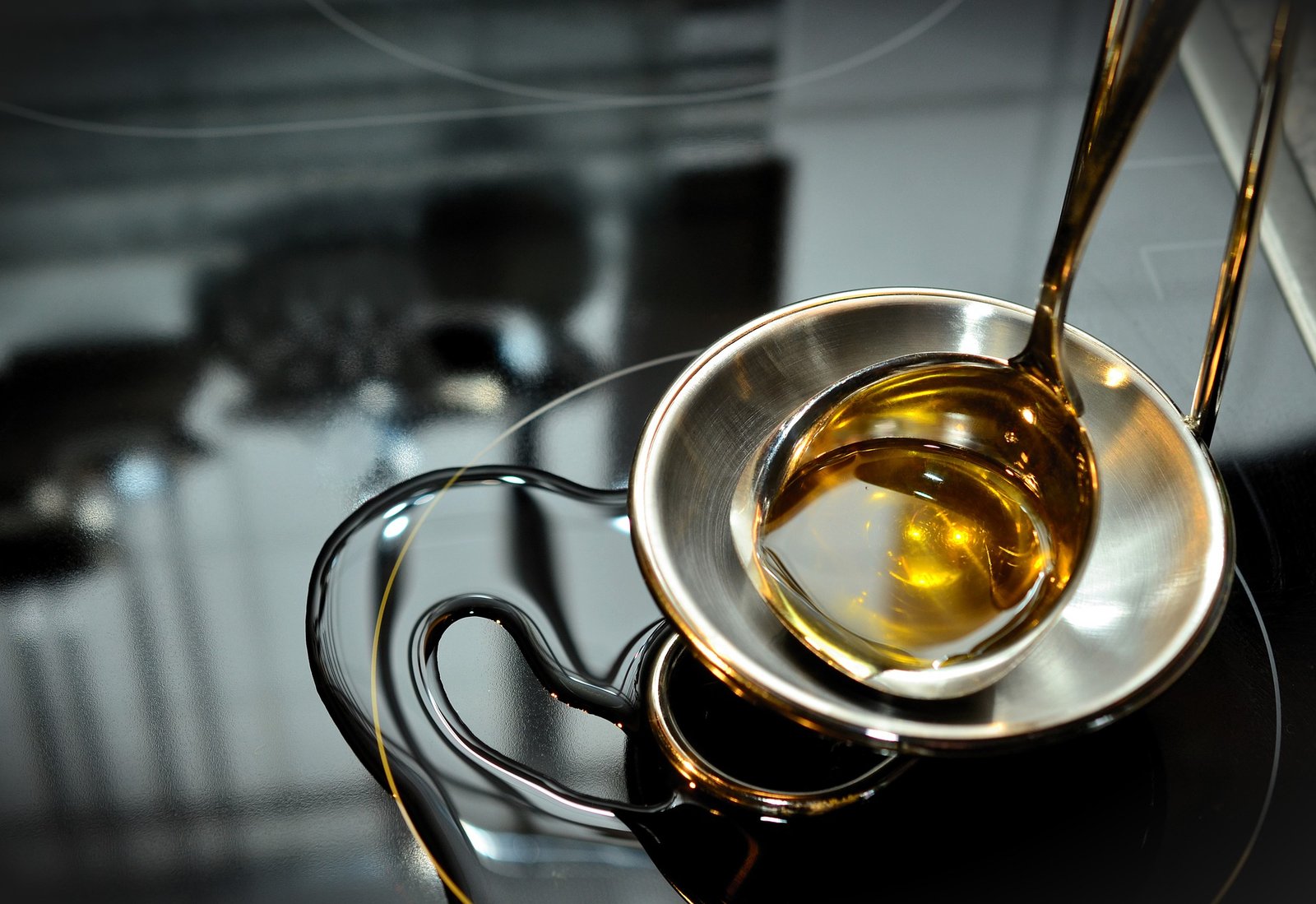
The Food Safety and Standards Authority of India (FSSAI) recently reported that the government has detained 18,000 liters of fake cooking oil in Rajasthan. This significant seizure was made by the medical and health department in Ajmer. The fake oil was found with duplicated labels of well-known brands.
“The fake cooking oil was being prepared using duplicated labels of various famous brands, misbranding these items, and adulterating them,” the department said in a tweet.
How is Cooking Oil Adulterated?
Adulteration of cooking oil usually involves mixing cheaper oils, such as palm or soybean oil, with more expensive oils like olive or avocado oil. Sometimes, artificial colouring and flavouring are added to disguise the inferior quality or different composition of the oil.
Tips to Identify Fake Cooking Oils
Check the Ingredients: Genuine oils usually list a single type of oil. If you see multiple oils listed, it might be a blend.
Nutritional Profile: Look for the expected nutritional information on the label.
Certifications: Check for certifications like organic, non-GMO, or specific country standards.
Expiry Date: Make sure the oil is within its expiry date. Expired oil can indicate poor quality.
Price: If the price is significantly lower than the average market price, it could be a sign of adulteration.
Sealed Bottle: Ensure the bottle is sealed properly. Broken seals or loose caps can indicate tampering.
Brand Reputation: Purchase oils from reputable brands with established quality standards.
Color and Clarity: Genuine oils have specific colors and clarity. For example, olive oil is usually golden-green, while sunflower oil is pale yellow. Unusual color or cloudiness can be a red flag.
Smell: Genuine oils have characteristic smells. Olive oil should have a fresh, fruity aroma. An off or rancid smell indicates spoilage or adulteration.
Taste: Taste a small amount of the oil. It should have a clean, natural taste. Bitterness or odd flavors could indicate contamination.
Choosing Healthy Cooking Oils
For better health, opt for oils with beneficial fats like olive, avocado, or coconut oil. These oils contain monounsaturated and polyunsaturated fats, which support heart health. Use extra virgin olive oil for salad dressings and low-heat cooking to preserve its nutrients. For high-heat cooking, choose oils with high smoke points, such as avocado or coconut oil, to avoid harmful compounds. Limit the use of oils high in saturated fats, like palm or vegetable oil. Balance oil consumption with a diet rich in fruits, vegetables, lean proteins, and whole grains to maintain overall health.
Simple Home Tests to Check Oil Quality
Refrigeration Test: Place a small amount of oil in a clear container and refrigerate it. Pure oils will solidify, while adulterated oils may remain liquid.
Freezer Test: Put the oil in the freezer. Pure olive oil, for example, should start to solidify within 30 minutes.
Paper Test: Drop a small amount of oil on a white paper and let it dry. Pure oil will leave an even, translucent spot without a greasy ring.
Test Tube Test: Take cooking oil in a test tube and add 4 ml of distilled water. Shake the test tube for a few seconds. Then, take 2 ml of this mixture in another test tube and add 2 ml of concentrated HCL. There will be no color change if the oil is pure, but if it is adulterated, a red color will appear on the topmost layer.
Coconut Oil Test: For coconut oil, take some oil in a container and keep it in the refrigerator at 5-10 degrees Celsius for 60-90 minutes. Pure coconut oil will solidify, while adulterated oils will have a separate layer on top due to different freezing points.
By following these tips and tests, you can better ensure the quality of the cooking oils you use, helping you maintain a healthier diet and avoid the dangers of adulterated products.
















Leave a comment