

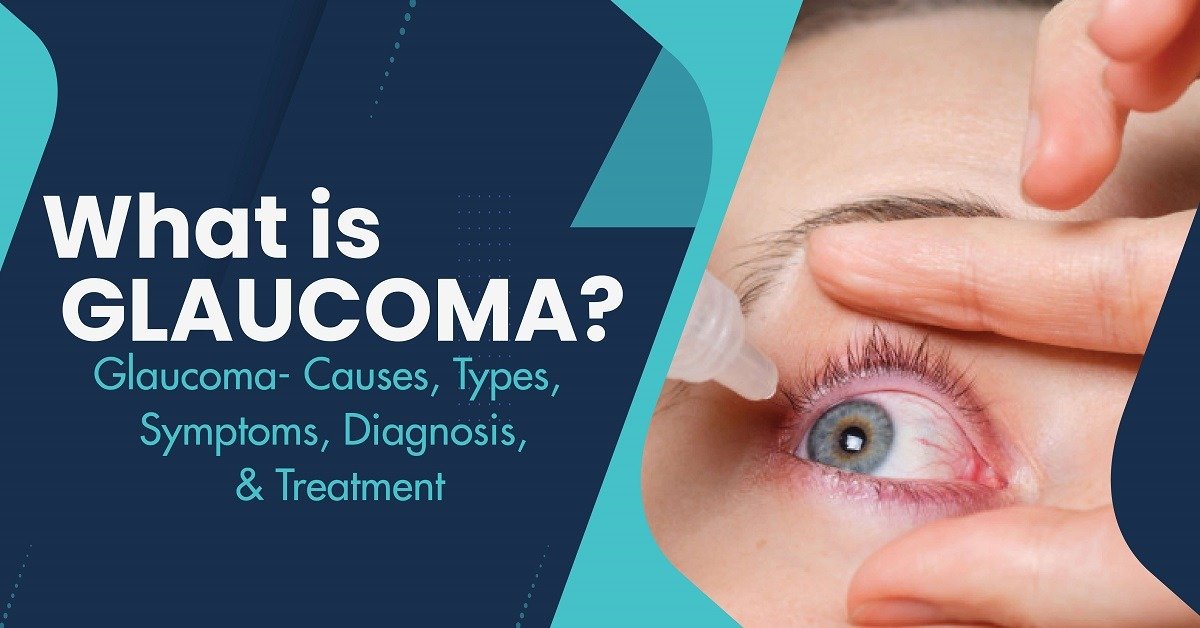
India is facing a glaucoma epidemic, with an increasing population that is both ageing and excessively affected by metabolic diseases. Glaucoma, which is also known as the silent thief of sight, usually does not show any discomfort or symptoms until later stages of the disease. This factor makes it difficult to detect. As the leading cause of irreversible blindness, it is gradually becoming a serious public health issue in India. The main issue is that people do not know about Glaucoma. This lack of awareness makes the patients only seek help when a lot of damage has already been done to the optic nerve and signs of vision loss have started to occur.
Risk factors of Glaucoma
Identifying people who have a higher risk of contracting glaucoma is the first step in stopping glaucoma-related blindness. Dr Mahavir Kandharwar, Specialist in Glaucoma and Cataract Management, NIO Super Speciality Hospital, Pune, shares the following factors that make people more susceptible to glaucoma:
- Age – It is an important factor that affects an individual’s vision. The risk of vision loss increases substantially after the age of 40.
- Family History or Genetics – It plays a significant role in contracting glaucoma. There is a high risk of contracting glaucoma if a first-degree or close relative has a history of glaucoma.
- Elevated Intraocular Pressure (IOP) – It is the most common and modifiable risk factor that causes damage to the optic nerve.
- Existing medical conditions – This includes chronic illnesses, diabetes and hypertension, which could negatively affect the blood flow to the optic nerve. This would likely increase the risk of contracting glaucoma.
- Individuals with severe nearsightedness or high myopia are also statistically more prone to developing this disease.
Preventive measures and treatment options
The damage caused by glaucoma is irreversible or permanent as the damage caused to the optic nerve cannot be reversed. As such, the most effective preventive measure is to focus on early detection and management, instead of focusing on a cure for the disease. The most effective preventive measure is a detailed and regular eye checkup. A simple vision check is also not enough for identifying glaucoma. An ophthalmologist specialised in glaucoma can perform tonometry to check eye pressure and an ophthalmoscopy to examine the optic nerve for early diagnosis and suggest the treatment method based on that.
An annual screening is essential and should be made available and mandatory for those over the age of 40 and for those with a family history. The advances made in ophthalmology offer the patients several ways or methods to manage the disease by lowering intraocular pressure, including methods like medication, laser therapy and surgical intervention.
Treatment options to manage glaucoma effectively
- Medications, including eye drops, are the first line of defence, either by reducing fluid production or improving drainage.
- Laser Therapy and minimally invasive options are available for patients. And procedures such as Selective Laser.
- Trabeculoplasty (SLT) or YAG Peripheral Iridotomy are also highly effective against glaucoma.
- Surgical interventions are needed in advanced cases. Surgeries like trabeculectomy or the placement of drainage implants are necessary to create new channels for fluid to exit the eye.
Disclaimer: The information provided in this article by Healthwire Media is for general informational and educational purposes only. It is not intended to replace professional medical advice, diagnosis, or treatment. While we strive to provide accurate and up-to-date information based on trusted sources such as WHO, Mayo Clinic, and government health guidelines, medical information can change over time. Always consult a qualified doctor or healthcare professional before making any health-related decisions, especially if you have any existing medical conditions or concerns. Do not ignore or delay seeking medical advice based on information you have read on this website. For more details, please read our full Medical Disclaimer page.













Leave a comment