

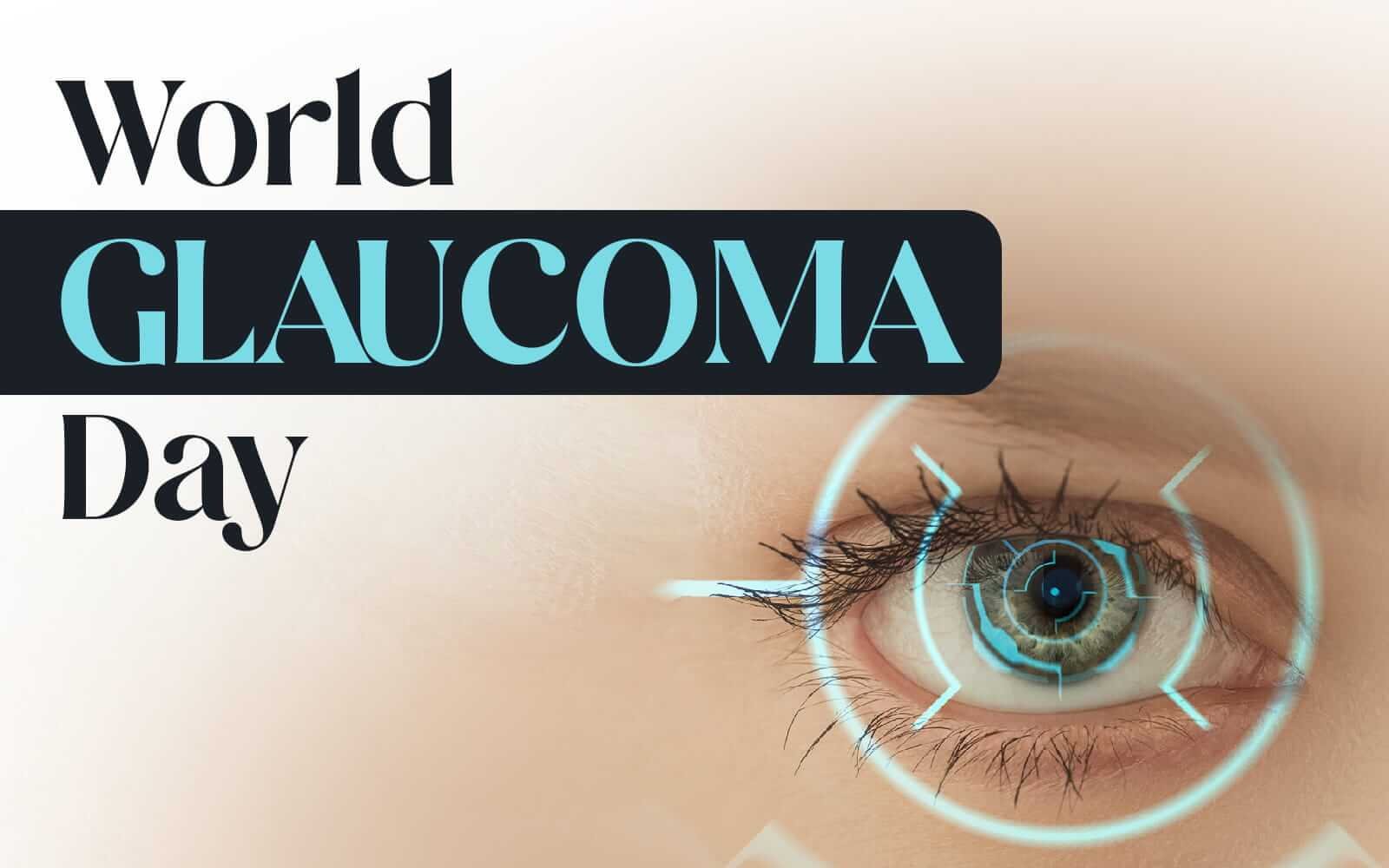
Glaucoma is a serious eye condition that can gradually damage vision. It is often called the “silent vision thief” because its early symptoms are usually mild or go unnoticed. In many cases, people become aware of the condition only after significant vision loss has already occurred.
Glaucoma usually develops when pressure inside the eye increases, damaging the Optic Nerve, which is responsible for transmitting visual information from the eye to the brain. If the optic nerve is damaged, the risk of permanent vision loss increases significantly.
Although glaucoma can affect anyone, certain individuals have a higher risk of developing the disease. During a media conclave organized by AbbVie on the occasion of World Glaucoma Week, Dr. Sunita Dubey, Associate Medical Director and Head of Glaucoma Services at Dr. Shroff’s Charity Eye Hospital, New Delhi, spoke about the key risk factors associated with glaucoma.
Diabetes Patients
People living with Diabetes have a higher risk of developing glaucoma. High blood sugar levels can damage the blood vessels in the eyes and increase pressure within the eye. When blood sugar remains elevated for a long time, it can lead to several eye-related complications, including glaucoma. Therefore, people with diabetes should undergo regular eye examinations to ensure early detection.
High Blood Pressure
High Blood Pressure can also significantly increase the risk of glaucoma. High blood pressure can affect the blood flow and nerves in the eyes, raising the chances of optic nerve damage. If blood pressure remains uncontrolled for a prolonged period, the risk of glaucoma may increase. People with hypertension should ideally get their eyes examined every six months to a year. Early treatment can help slow the progression of the disease.
Thyroid Disorders
Certain Thyroid Disorders may also affect eye health. Thyroid conditions can cause swelling in the tissues and muscles around the eyes, which may increase pressure inside the eye. Prolonged pressure can impact the optic nerve and increase the likelihood of glaucoma in thyroid patients.
Family History
A family history of glaucoma significantly raises the risk of developing the disease. This is often linked to genetic factors. If parents or siblings have glaucoma, other family members should undergo regular eye check-ups to help detect the condition at an early stage.
Nearsightedness (Myopia)
People who have Myopia, or nearsightedness (minus power in their glasses), are also at a higher risk of glaucoma compared to others. In such individuals, there may be increased pressure on the optic nerve. Regular eye examinations are therefore essential.
Watch Out for These Symptoms
If you experience symptoms such as:
- eye pain
- blurred vision
- frequent headaches
you should consult an eye specialist and get your eyes examined promptly.
Key Highlights
- People with diabetes have a higher risk of glaucoma.
- High blood pressure patients are also more likely to develop the condition.
- Regular eye check-ups are essential for early detection and prevention of vision loss.
Disclaimer: Dear readers, this article provides general information and advice only. It should not be considered a substitute for professional medical consultation. For more information, always consult a qualified expert or your doctor. TheHealthSite.com does not claim responsibility for this information.













Leave a comment