

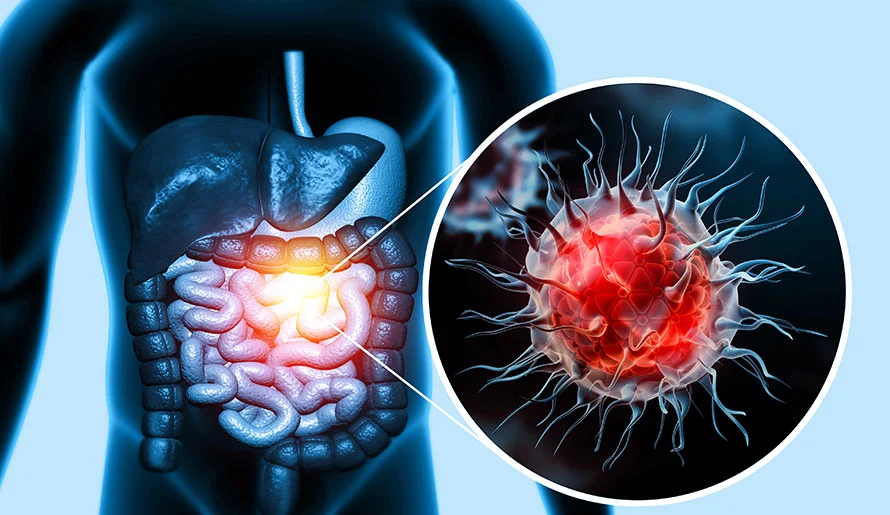
Gallstones! Those small, hard detritus that find a home in your gallbladder – a tiny organ nestling beneath your liver. Yes, sharp abdominal twinges, nausea, and vomiting are the usual suspects, but gallstones can throw a surprise and echo in places you’d least expect – like your legs and fingers. Let’s peek into five offbeat signs that can hint towards a gallstone invasion.
Gallbladder Stones Signs And Symptoms: What To Know
Below mentioned are some of the most common indicators of gallstones that you may notice in your legs and feet.
Puffy And Swollen Legs
Unexpected leg swelling could be tantamount to gallstones playing mischief. This puffiness, medically termed as edema, happens when your body decides to hoard extra fluid. And the end result? Tight, swollen legs. Although edema usually goes hand in hand with heart or kidney issues, it may secretly point towards gallbladder hassles. Notice a stubborn swelling in your legs, accompanied by stomach discomfort or jaundice? Time to seek medical advice and dig deeper.
Numbness In Fingers
Imagine feeling numb, or your fingers buzzing as if zapped by a weak electric current? That’s paresthesia acting up, another uncommon hint at gallstones. It could be traced back to nerve knocking or irritation, sometimes caused by inflammation from gallstones. Frequent numbness or tingling in your fingers require a closer look; I’d recommend booking a medical check-up without delay.
Change In Skin Colour
Ever noticed skin color changes, especially a yellowish tinge on your legs and fingers? No, it’s not you imagining things – it can be the gallstones! Gallstones can hamper bile flow, leading to high bilirubin levels that stain your skin and eyes yellow, a condition known as jaundice. If Mr. Yellow takes over your skin, dash off for immediate medical assistance.
Fatigue or Extreme Tiredness
A less familiar gallstone sign is feeling tired or weakened. Gallstones can play havoc with regular gallbladder function, leading to upset digestion and poor nutrient uptake. Consequently, you may be plagued with tiredness and weakness, despite adequate rest. Continual weakness or sluggishness should be taken seriously; it’s time to knock at a healthcare provider’s door and check for things like gallstones.
Cold Feet and Legs
Lastly, coolness in the fingers and legs can be a gallstone’s calling card. Blocked bile flow can confuse your body’s internal thermostat, leading to a chilling sensation in your extremities. If you constantly experience icy hands and feet, especially when it’s warm outside, it may be worth checking for gallbladder-related complications.
What to keep in mind? Make sure to never ignore any of the above-mentioned signs and symptoms that may indicate a problem happening inside your gallbladder.














Leave a comment