Cancer is no longer just a disease of the elderly or a rare condition—it is emerging as a silent epidemic in India. According to the Indian Council of Medical Research (ICMR), India witnesses over 1.3 million new cancer cases annually, and the trend is steadily rising, especially in urban areas. While genetics play a role, lifestyle and environmental factors have become the primary drivers of this surge, creating a perfect storm for carcinogenic exposure. From polluted air to processed foods on our plates, modern living is silently increasing our cancer risk.
The Invisible Threat Above Our Heads: Air Pollution
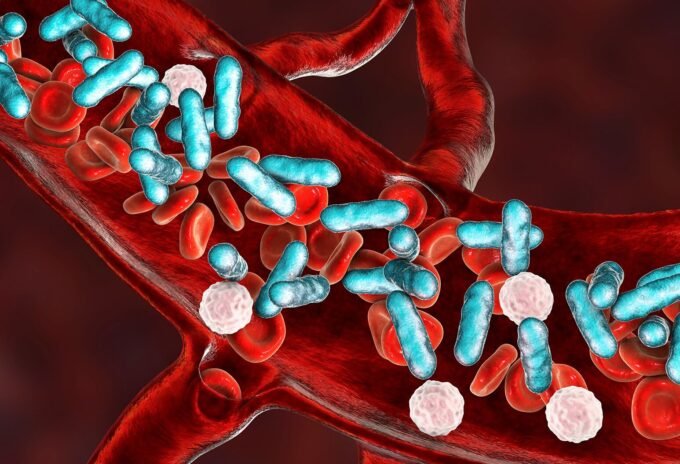
Urbanization in India has come at a price. Cities like Delhi, Mumbai, and Kolkata are grappling with dangerously high levels of air pollution. Fine particulate matter (PM2.5 and PM10) and harmful chemicals like nitrogen oxides, sulfur dioxide, and heavy metals not only affect the lungs but also circulate in the bloodstream, causing systemic inflammation.
Research shows that prolonged exposure to polluted air can increase the risk of lung, throat, and even bladder cancer. The World Health Organization (WHO) lists India among the countries with the highest annual deaths due to ambient air pollution—over 1.2 million lives are lost each year, many of which are linked to cancer and respiratory illnesses.
People living in highly polluted urban centers often face daily exposure without realizing the long-term consequences. This invisible threat quietly damages DNA, interferes with cell repair mechanisms, and triggers mutations that can evolve into cancer over time.
The Plate That Feeds Us: Diet and Processed Foods
What we eat is another critical factor in cancer risk. Modern diets are dominated by processed foods, refined sugars, trans fats, and artificial preservatives. Studies have linked high consumption of processed meats, fried foods, and sugary drinks to colorectal, breast, and pancreatic cancers.
Conversely, diets lacking in fruits, vegetables, and fiber deprive the body of antioxidants and phytonutrients that neutralize free radicals—the molecules responsible for DNA damage. In India, rapid urbanization has led to a shift from traditional home-cooked meals to ready-to-eat packaged foods, further compounding cancer risk.
Additionally, excessive consumption of red meat, refined grains, and high-salt foods is prevalent in urban lifestyles. These dietary patterns contribute not only to obesity but also to chronic inflammation—a key driver of many cancers.
Lifestyle Risks: Sedentary Living, Stress, and Tobacco
A sedentary lifestyle is an often-overlooked contributor to cancer. Modern work environments involve long hours at desks, minimal physical activity, and poor posture. Lack of exercise increases the likelihood of obesity, insulin resistance, and chronic inflammation—all of which create a fertile ground for cancer.
Stress, too, plays a role. Chronic psychological stress elevates cortisol and other stress hormones, which can suppress immune function, reduce DNA repair, and accelerate tumor growth.
Tobacco use remains a major issue in India, responsible for nearly 30% of all cancers in the country. Smoking, chewing tobacco, and exposure to second-hand smoke are major contributors to lung, oral, throat, and esophageal cancers. Even with rising awareness, tobacco consumption remains widespread due to cultural habits and easy availability.
Environmental Toxins Beyond Air Pollution
Cancer risk is further elevated by exposure to industrial pollutants, heavy metals, pesticides, and contaminated water. In many parts of India, groundwater contamination with arsenic, fluoride, and industrial chemicals has been linked to higher rates of skin, bladder, and liver cancers.
Plastic use also plays a role. Chemicals like bisphenol A (BPA) and phthalates, commonly found in plastic containers and packaging, act as endocrine disruptors and are increasingly linked to hormone-sensitive cancers such as breast and prostate cancer.
Lifestyle Diseases as Catalysts
Modern lifestyle diseases—such as obesity, diabetes, and fatty liver—are closely associated with increased cancer risk. Fat tissue produces estrogen and other growth factors, which can stimulate tumor growth, particularly in breast and endometrial cancers. High blood sugar and insulin resistance create a pro-inflammatory environment conducive to cancer cell proliferation.
The Knowledge Gap: Why Awareness Is Low
Despite the rising incidence, awareness of lifestyle-related cancer risks in India remains limited. Many people still associate cancer exclusively with genetic inheritance or old age. Early symptoms—such as persistent fatigue, unexplained weight loss, minor lumps, or subtle changes in skin or bowel habits—are often ignored or misattributed to minor ailments.
Screening rates remain low. For example, cervical cancer, which is highly preventable with early detection, continues to have one of the highest mortality rates among Indian women, primarily due to late diagnosis.
What Can Be Done: Prevention Is Key
While genetics cannot be changed, lifestyle choices and environmental exposures can be managed. Key preventive measures include:
- Reducing Air Pollution Exposure: Use masks during high pollution days, install air purifiers at home, and avoid outdoor activities during peak smog hours.
- Healthy Diet Choices: Prioritize whole foods, fresh fruits, vegetables, lean proteins, and reduce processed foods, sugar, and trans fats.
- Regular Exercise: Aim for at least 30 minutes of physical activity daily to maintain a healthy weight and improve circulation.
- Tobacco and Alcohol Abstinence: Avoid smoking, chewing tobacco, and limit alcohol consumption.
- Routine Screening: Early detection is critical. Mammograms, Pap smears, colonoscopies, and liver function tests can catch cancer at treatable stages.
- Stress Management: Yoga, meditation, and mindfulness practices reduce cortisol levels and support immune function.
- Gut and Oral Health: Maintain gut balance with probiotics and fiber; treat oral infections promptly as chronic inflammation can indirectly influence cancer risk.
The Role of Public Policy and Technology
Government initiatives, such as the National Programme for Prevention and Control of Cancer, Diabetes, Cardiovascular Diseases and Stroke (NPCDCS), aim to improve awareness, screening, and early intervention. Technology is also aiding prevention—telemedicine, AI-based diagnostic tools, and mobile health apps help detect risk patterns and prompt early action.
The rising cancer burden in India is not merely a result of genetics—it is a reflection of modern lifestyles, environmental pollution, dietary shifts, and sedentary habits. From the polluted air we breathe to the processed foods we eat, every aspect of daily life contributes to risk.
The good news is that cancer is highly preventable with early action, lifestyle modifications, and increased awareness. Understanding the connection between our environment, diet, and habits can empower individuals to make choices that protect their health. India’s cancer epidemic is real, but proactive measures—from pollution control to mindful living—can curb its devastating impact.
The message is clear: Cancer prevention starts long before symptoms appear. By addressing the risks “from pollution to plate,” Indians can take control of their health and reduce the silent toll of lifestyle-driven cancers.