Home Health News Four-year-old in Gujarat dies from Chandipura virus; 14 more deaths are suspected
Health News

Four-year-old in Gujarat dies from Chandipura virus; 14 more deaths are suspected

Share
Chandipura Virus
Share

The Chandipura virus, which causes fever and flu-like symptoms as well as acute encephalitis (brain inflammation), has so far link to 29 cases in Gujarat!

All You Need To Know About Chandipura Virus That Claimed Lives Of 6  Children In Gujarat

9 Cases Reported Across Gujarat: Official Statement

A four-year-old girl in Gujarat has died from the Chandipura virus.

An official from the health department confirmed on Wednesday, marking the first death of that kind in the state.

The state, which has recorded 29 cases of the virus that causes fever, flu-like symptoms.

Acute encephalitis (brain inflammation), is suspecting of kill up to 14 additional patients.

“The Chandipura virus was detect in the sample of a four-year-old girl from Mota Kanthariya village in Aravalli district who passed away in the civil hospital in Himatnagar, Sabarkantha district. Sabarkantha Chief District Health Officer (CDHO) Raj Sutariya “This was the first death due to the Chandipura virus infection in the state.”

Additionally, reports of cases have come from the districts of Kheda, Gandhinagar, Panchmahal, and Jamnagar.

Officials said that two more patients, one from Madhya Pradesh’s Dhar and one from Rajasthan’s Udaipur, have received treatment in the state hospitals.

What Is The Virus Chandipura?

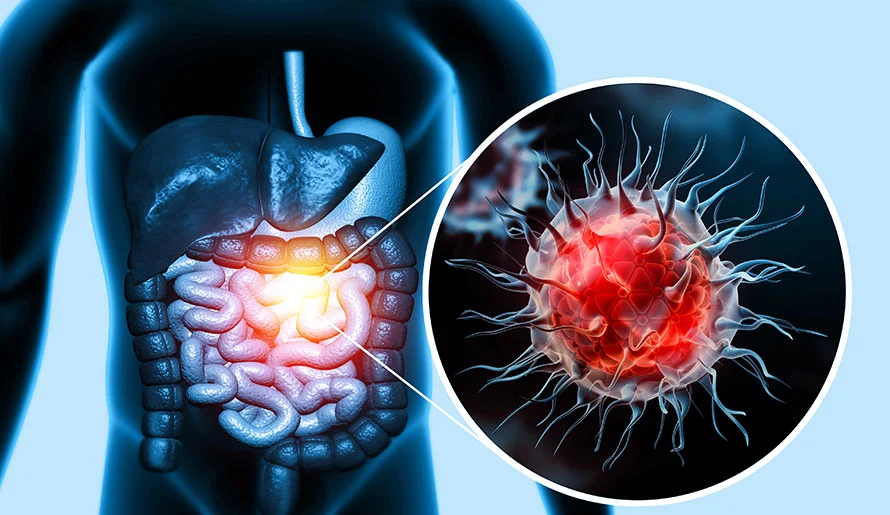
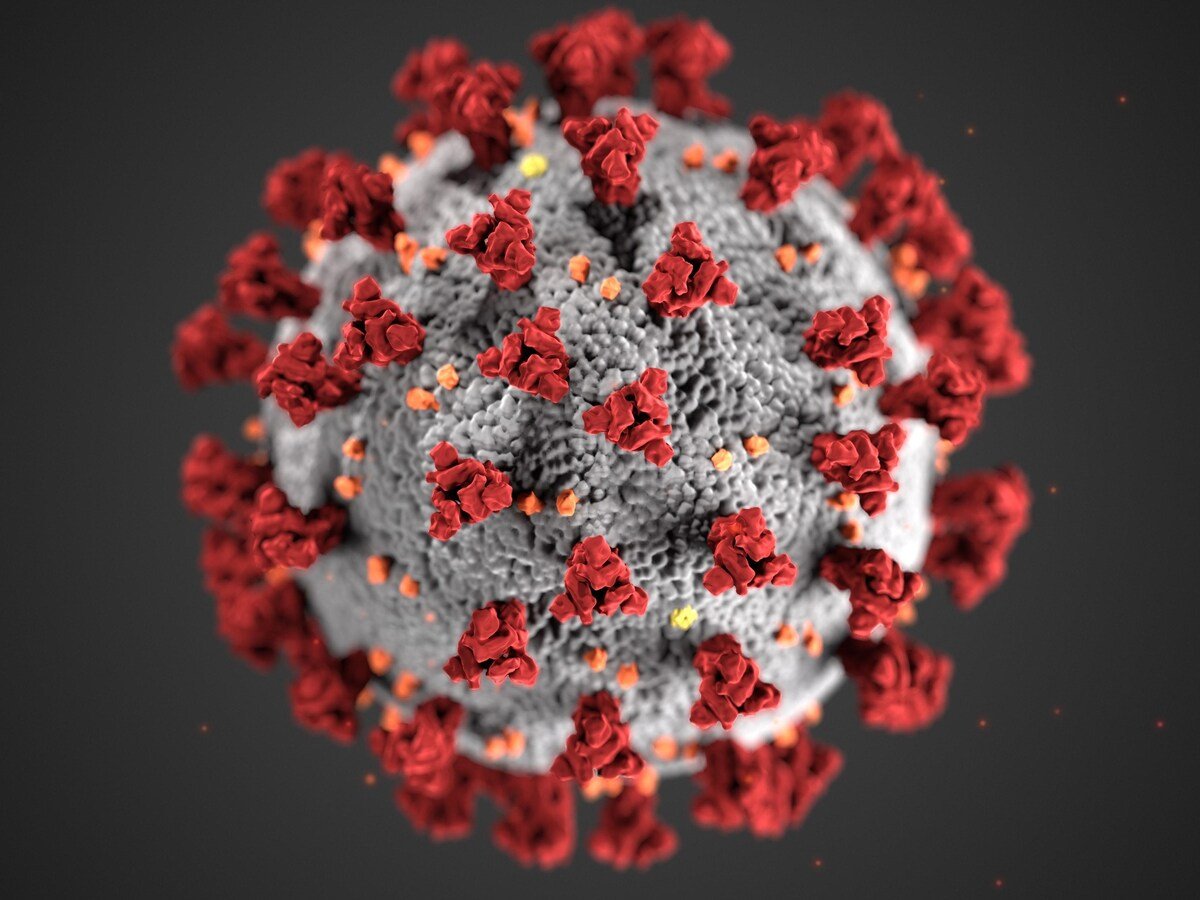
The vesicular virus genus of the Rhabdoviridae family includes the arbovirus known as the Chandipura virus.

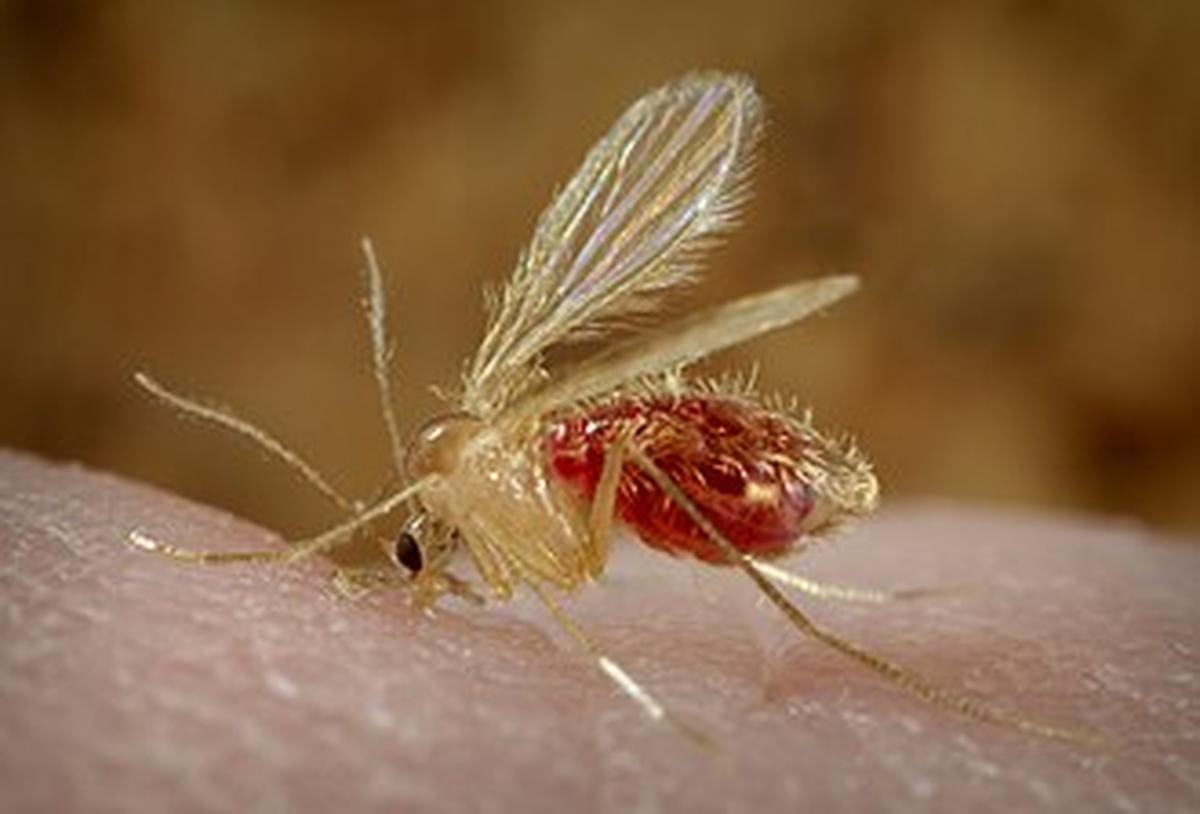
Phlebotomine sandflies are the main vector of transmission, though ticks and mosquitoes can also carry the virus.

It has been reported that children are more likely to contract this virus.

It was discover for the first time in India in the Maharashtra village of Chandipura in 1965.

Symptoms of the Chandipura Virus

A sharply elevated temperature is usually the first sign of a Chandipura virus infection. Severe headaches, vomiting, convulsions, and altered mental status have been reported to follow.

Read Also – Chandipura Virus: Death Toll Rises To 15 As The Virus Spreads In More Districts In Gujarat

If treatment is delayed, rapid progression may result in encephalitis, which is characterized by brain inflammation and can cause a coma or even death.

Share

Leave a comment

Leave a Reply

Your email address will not be published. Required fields are marked *

Don't Miss

Latest News

5 Common Foods That Are Slowly Damaging Your Liver

The liver is one of the most vital organs in the body, responsible for detoxification, metabolizing nutrients, and regulating essential biochemical processes, and...

Latest News

How Stress Is Affecting Your Immunity—and What You Can Do About It

Chronic stress has a profound and often underestimated impact on the immune system, influencing the body’s ability to fight infections, heal wounds, and...

Latest News

Why Sleep Deprivation Is the Hidden Cause of Weight Gain and Fatigue

Sleep deprivation is increasingly recognized as a major but often overlooked factor contributing to weight gain and persistent fatigue, and understanding its effects...

Foods For Heart Health
Latest News

10 Morning Habits That Can Lower Your Risk of Heart Disease

Starting your day with healthy habits can have a significant impact on your long-term heart health, and adopting certain morning routines may help...

Latest News

Nipah Virus Infection in India 2026: WHO Updates, Symptoms, Risks, and Safety Measures

On 26 January 2026, the World Health Organization (WHO) was notified by India’s National IHR Focal Point of two confirmed cases of Nipah...

Section title

Related Articles
Breast Cancer
Health NewsOncology

Breast Cancer Isn’t the Only Threat: 7 Cancers Women Need to Know About

When people think about women’s health and cancer, breast cancer often dominates...

Cancer
Health NewsLatest NewsOncology

World Cancer Day 2026: The Cancers Women Often Miss—and the Early Signs That Shouldn’t Be Ignored

When conversations around women’s cancers arise, breast and cervical cancer understandably dominate...

The Nipah virus is considered one of the deadliest zoonotic infections globally, not because it spreads rapidly like influenza or COVID-19, but because of its extremely high fatality rate, rapid progression, and severe brain involvement. Medical experts warn that once symptoms escalate, the disease can turn fatal within days. According to available data, the case fatality rate of Nipah virus ranges between 50 and 75 per cent, placing it among the most lethal viral infections known to humans. In this explainer, Dr Dip Narayan Mukherjee, Consultant – Microbiology and Infectious Diseases, CK Birla Hospitals, CMRI, sheds light on why the virus is so dangerous and difficult to control. Why Is the Nipah Virus So Deadly? According to Dr Mukherjee, Nipah’s lethality lies in a combination of delayed symptom recognition, aggressive disease progression, and early involvement of the brain. “Nipah virus often begins with very non-specific symptoms, which makes early detection difficult. By the time it is clinically suspected, the virus may have already affected the brain,” he explains. Early Symptoms Often Go Unnoticed One of the biggest challenges in controlling Nipah virus is that its initial symptoms closely resemble common viral illnesses, leading to delays in diagnosis and isolation. Early symptoms include: Fever Headache Cough Muscle pain General weakness “These symptoms are easily mistaken for flu, viral fever, or respiratory infections,” says Dr Mukherjee. “This delay gives the virus time to progress silently.” Severe Brain Infection Drives High Mortality The most dangerous aspect of Nipah virus infection is its neurological involvement. The virus frequently causes encephalitis, or inflammation of the brain, which significantly increases the risk of death. Neurological symptoms may include: Seizures Confusion and altered consciousness Extreme drowsiness Coma “Once the central nervous system is involved, the disease becomes very difficult to manage,” Dr Mukherjee notes. “At this stage, treatment is largely supportive because there is no specific antiviral therapy available.” This lack of targeted treatment options makes early detection critical. Human-to-Human Transmission Raises Risk While Nipah virus is primarily transmitted from fruit bats, it can also spread from person to person, particularly in healthcare settings. Dr Mukherjee points out that: Caregivers and healthcare workers are at higher risk Exposure to high viral loads can worsen outcomes Inadequate infection control increases transmission risk “Strict adherence to infection control practices is essential. Even a small lapse can result in secondary infections,” he says. Zoonotic Nature Makes Exposure Hard to Predict Nipah virus is transmitted from fruit bats, either directly or through intermediate hosts such as pigs. This zoonotic pattern makes outbreaks unpredictable, especially in regions where humans, animals, and wildlife interact closely. Adding to the challenge: There is no approved vaccine Treatment options remain limited Isolation protocols must be strictly enforced What Can Reduce Nipah Fatalities? According to experts, early action remains the most effective defence against Nipah virus. Key measures include: Early isolation of suspected cases Strict use of personal protective equipment (PPE) Rapid escalation and referral to specialised centres Strong hospital infection control protocols “The earlier the virus is identified and contained, the better the chances of preventing severe disease and fatalities,” Dr Mukherjee emphasises. The Bottom Line Nipah virus continues to be a serious public health threat because of its high fatality rate, neurological complications, and lack of targeted treatment. Its ability to masquerade as a mild illness in the early stages makes vigilance crucial. Health experts stress that awareness, early suspicion, and strict infection control are currently the most powerful tools to reduce deaths linked to this deadly virus. As Dr Mukherjee concludes, “With Nipah, time is the most critical factor. Early recognition can save lives.”
Exclusive SectionExperts OpinionHealth News

Is India Prepared for the Next Nipah Outbreak? Experts Weigh In | EXCLUSIVE

India has faced sporadic outbreaks of the Nipah virus over the past...

×