

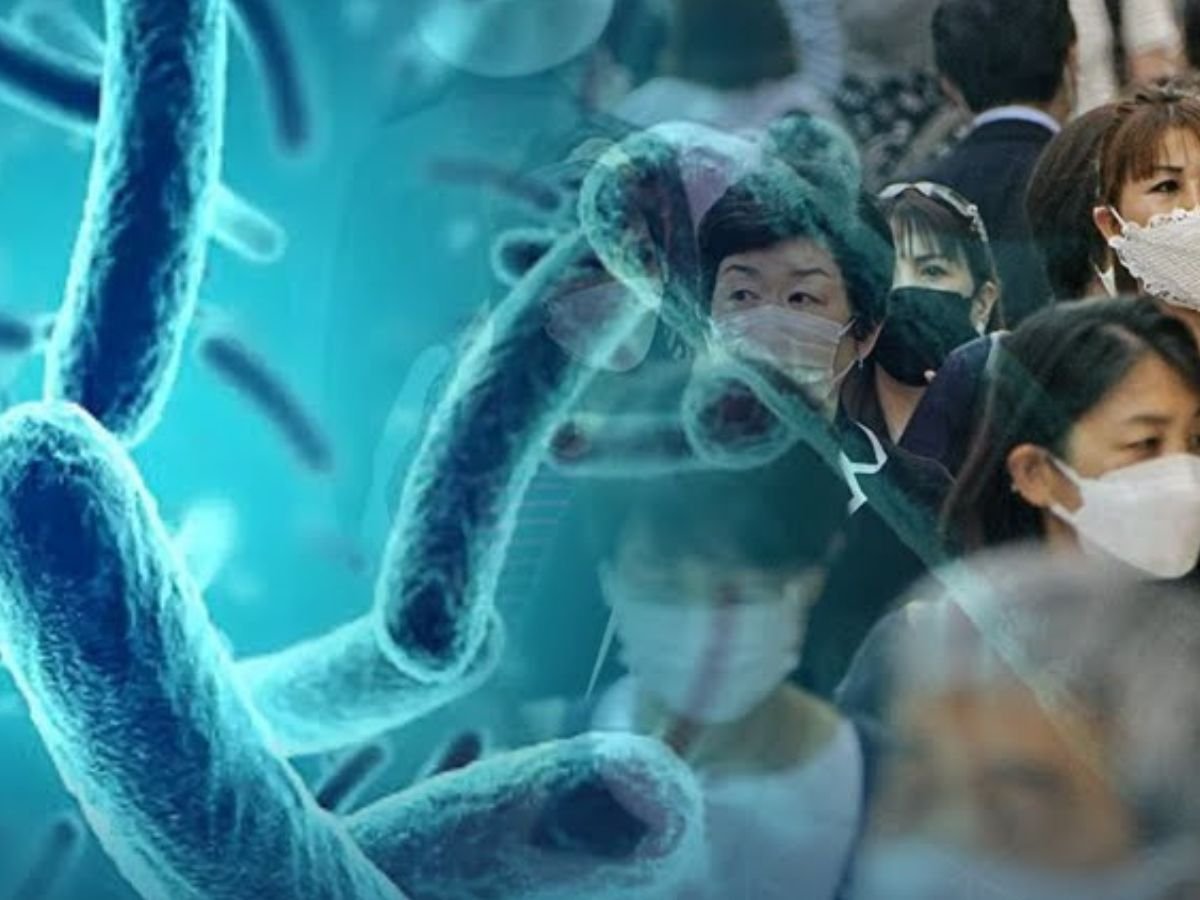
Health officials in Japan are on high alert after close to 1,000 cases of a deadly infection were reported across the country. The disease, known as Streptococcal Toxic Shock Syndrome (STSS), or ‘flesh-eating bacteria’, is spreading rapidly, resulting in deaths within a short period.
STSS cases have reached 977 by June 2 this year. This figure has already surpassed last year’s total of 941 cases, according to the National Institute of Infectious Diseases.
All You Need To Know About Japan Bacteria Outbreak 2024
Close to 1,000 cases of a deadly infection are spreading rapidly across Japan, raising alarm among health officials. The disease, known as Streptococcal toxic shock syndrome (STSS), is causing severe illness and has fatal outcomes within a startlingly short period.
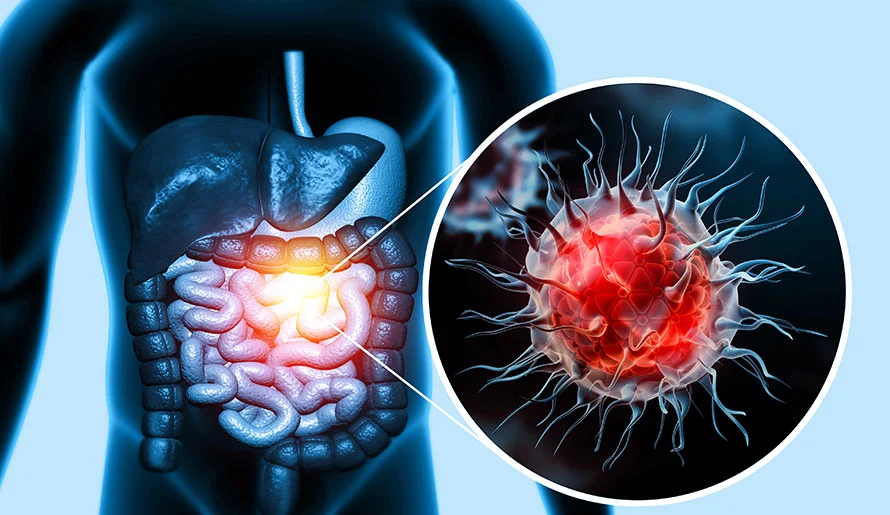
Streptococcal Toxic Shock Syndrome, also known as STSS, is a rare but deadly health condition caused by the toxins certain strains of Streptococcus bacteria releases. Let’s delve deeper into STSS, get to understand its causes, signs, how to diagnose, treat, and prevent it.
Origin of Streptococcal Toxic Shock Syndrome
Group A Streptococcus bacteria is the main culprit behind the STSS. It produces toxins causing the syndrome, triggering an acute immune reaction, leading to widespread inflammation and tissue destruction. Sometimes, STSS can spring from a neglected or poorly managed streptococcal infection such as skin infections or strep throat.
Signs And Symptoms of Streptococcal Toxic Shock Syndrome Spreading In Japan
The syndrome varies wildly in symptoms, but is often characterized by sudden high fever, low blood pressure, rash, vomiting, and disorientation. Other pointers include fast breathing, dizziness, and muscle soreness. Recognize these signs early as the syndrome develops quickly and needs timely medical intervention.
How to tell it’s Streptococcal Toxic Shock Syndrome?
Diagnosing STSS could be a tough cookie due to its resemblance with sepsis or the staphylococcus bacteria driven toxic shock syndrome. Medical practitioners might conduct blood tests, imaging checks, and cultures to detect the presence of group A Streptococcus and its toxins. Further, undertaking a physical exam and patient’s medical history review is crucial for a correct diagnosis.
How To Cure Streptococcal Toxic Shock Syndrome?
Treating STSS usually demands hospital care and intense supportive attention. Patients are given intravenous antibiotics to tackle the bacterial infection, accompanied with fluids and drugs to stabilize blood pressure and manage symptoms. If things get worse, surgery might be required to remove infected tissues or cater for issues like organ failure.
Japam Outbreak: How to prevent Streptococcal Toxic Shock Syndrome?
Being clean, treating streptococcal infections promptly, and seeking medical help when mysterious symptoms show up are key to averting STSS. Persons with recurring streptococcal infections or chronic conditions hurting the immune system should consult medical experts to minimize their risk of contracting STSS.
Follow this space to stay updated with all the latest health news and developments.











Leave a comment