

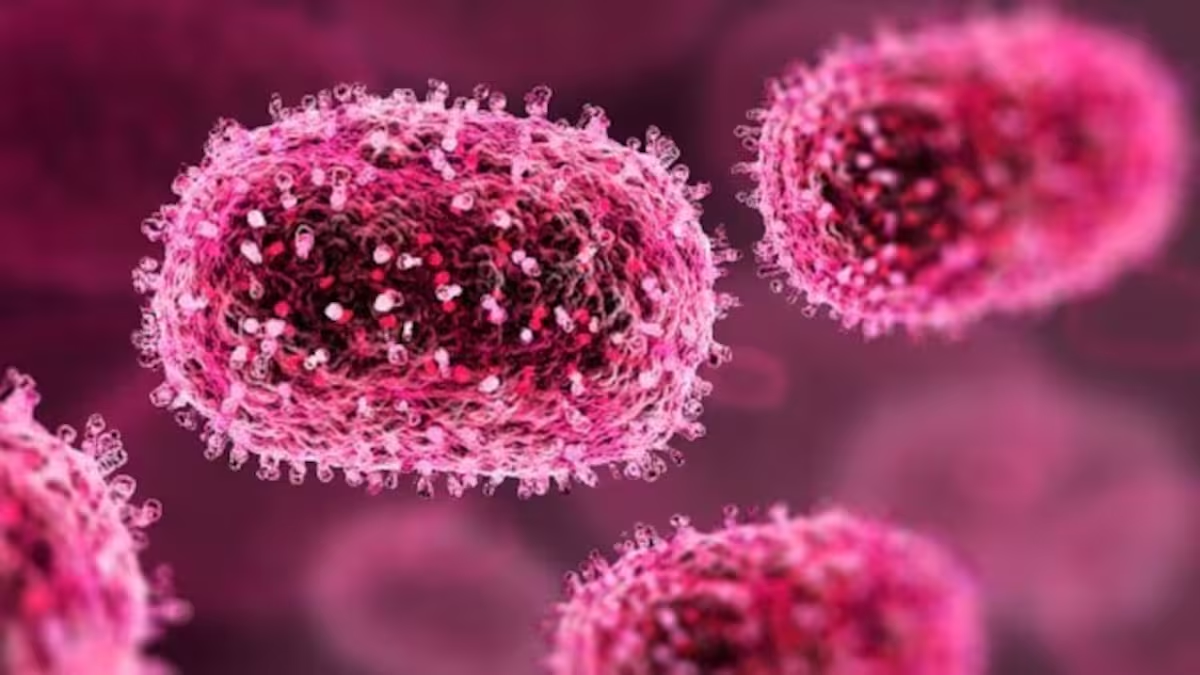
New Delhi, 24 November 2024: Canada has reported its first confirmed case of Clade I monkeypox, a rare and potentially more severe strain of the monkeypox virus. This development has raised concerns among public health authorities and citizens alike. Although monkeypox cases have been reported worldwide since the outbreak in 2022, most were linked to Clade II strains, which generally cause milder symptoms. The emergence of Clade I in Canada underscores the importance of understanding the virus, its potential impacts, and how to prevent its spread.
Understanding Monkeypox
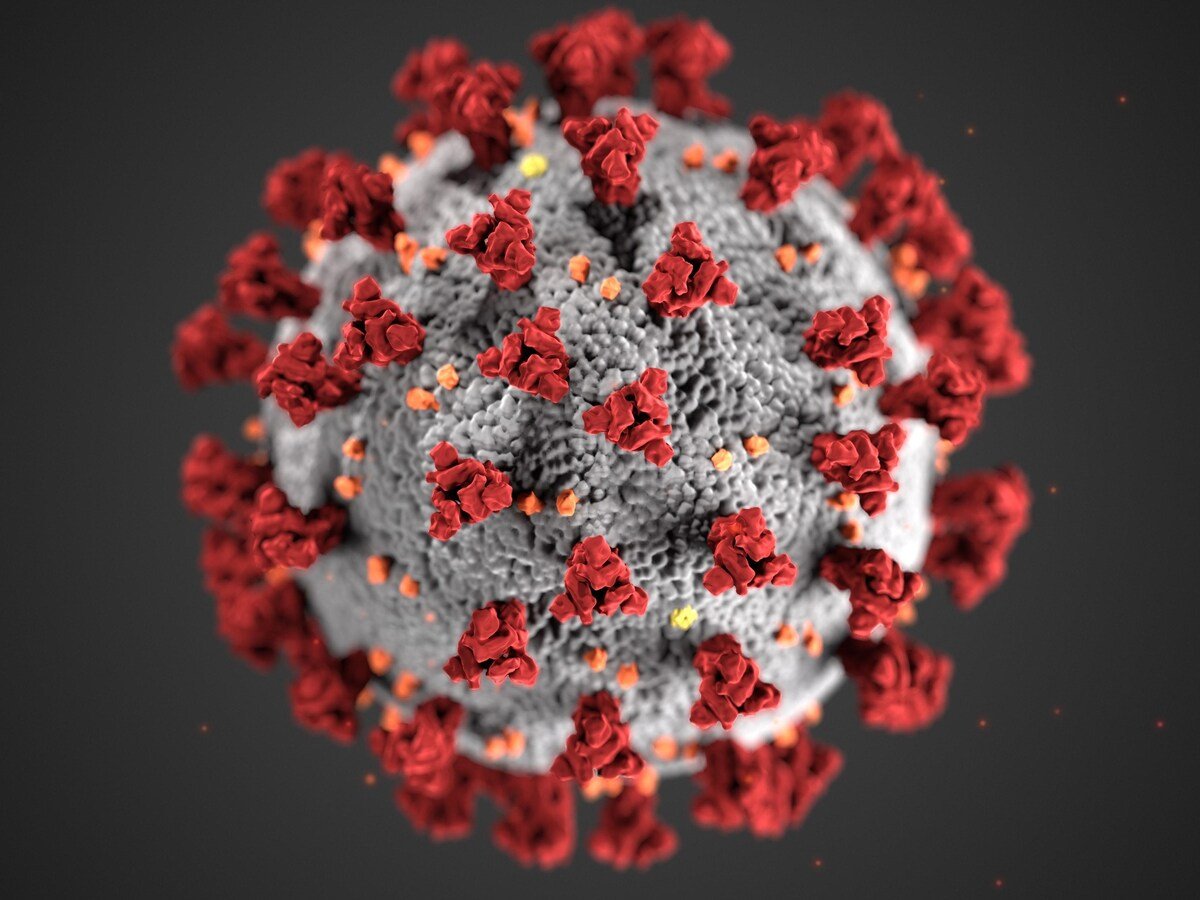
Monkeypox is a viral illness similar to smallpox, though it tends to be less severe. This disease was first discovered in 1958 in monkeys, which is where it gets its name. The monkeypox virus is part of the Orthopoxvirus family. It can be transmitted from animals to humans and can also spread between people through close interactions. The detection of Clade I Monkeypox in Canada emphasizes the urgency for heightened awareness and understanding of this virus.
What is Clade I Monkeypox?
Clade I is one of the two genetic branches of the monkeypox virus. The two are Clade I and Clade II, with Clade I linked to more serious health risks. This strain is particularly alarming due to its higher rate of transmission and the potential for serious health consequences. It’s essential to understand how these clades differ for effective public health responses and treatment strategies.
Why is Clade I Monkeypox a Concern?
The main worry about Clade I Monkeypox is its ability to spread rapidly and the possibility of severe symptoms. Although most monkeypox cases are mild, Clade I has been associated with more intense illness. Symptoms such as fever, rash, and swollen lymph nodes can develop quickly, especially in certain groups of people. This strain not only threatens individual health but also poses a risk to public health systems, which could face overwhelming pressure during outbreaks.
How is Clade I Monkeypox Transmitted?
Clade I Monkeypox spreads through various means. Direct contact with infected animals or individuals is the primary method of transmission, but the virus can also linger on contaminated surfaces and materials. Close physical contact, including sexual interactions, can facilitate its spread. Knowing these transmission pathways is essential for setting up effective prevention measures.
Public Health Response to the Outbreak
In light of the confirmed case of Clade I Monkeypox in Canada, health authorities are intensifying their surveillance and preventive efforts. This includes contact tracing, making vaccines more accessible, and launching public awareness initiatives. Health officials encourage everyone, especially those in close contact with affected individuals, to stay alert. The objective is to contain the outbreak and prevent further spread.
Vaccination and Treatment Options
There are vaccines available that can help protect individuals from monkeypox, particularly for those at a higher risk of exposure. The smallpox vaccine offers some level of protection against monkeypox as well. Treatment options focus on managing symptoms and addressing complications. It is crucial for anyone who thinks they might have been exposed to seek medical guidance promptly.
What Can Individuals Do to Protect Themselves?
Individuals can take several measures to guard against Clade I Monkeypox. Keeping good hygiene—like regular handwashing and avoiding close contact with sick people—is essential. It’s also wise to refrain from consuming bushmeat and avoid interactions with wild animals in regions where monkeypox is common. Staying updated with the latest health guidelines will enable people to make informed decisions about their well-being.
Canada’s confirmation of its first Clade I monkeypox case serves as a wake-up call for both public health authorities and individuals. While the risk of widespread transmission remains low, the severity of Clade I underscores the need for vigilance, timely intervention, and public awareness.
As the world continues to grapple with emerging zoonotic diseases, proactive measures such as enhanced surveillance, vaccination, and international cooperation will be crucial in mitigating risks and protecting public health. For individuals, staying informed and adhering to preventive guidelines are vital steps in combating the spread of monkeypox and other infectious diseases.









Leave a comment