For years, fertility has been closely linked with youth. Many people assume that being in your 20s or early 30s automatically means your reproductive health is at its peak. The idea that “I’m still young, so I have time” is incredibly common — especially among women balancing careers, relationships, and personal goals.
However, experts warn that fertility is far more complex than just age. Being young does not always guarantee healthy eggs, regular ovulation, or an easy path to conception. In fact, several hidden medical, lifestyle, and hormonal factors can affect reproductive health even in the prime years.
Let’s understand why fertility is not simply a matter of being young.
The Myth: Youth Equals Guaranteed Fertility
While it is true that fertility naturally declines with age, especially after 35, experts emphasize that fertility challenges are increasingly being seen in younger adults too.
Many women in their 20s experience:
- Irregular menstrual cycles
- Hormonal imbalances
- Undiagnosed reproductive conditions
- Lifestyle-related fertility issues
Similarly, male fertility is also affected by factors like stress, smoking, obesity, and declining sperm quality — regardless of age.
Fertility is not automatic. It depends on overall reproductive health.
Fertility Depends on More Than Age
According to reproductive health specialists, fertility is influenced by a combination of factors, including:
- Egg quality and ovarian reserve
- Hormonal balance
- Uterine health
- Fallopian tube function
- Sperm health in male partners
- Lifestyle and environmental exposures
Even a young person may face fertility issues if one or more of these factors are affected.
Common Conditions That Affect Fertility in Young Adults
1. Polycystic Ovary Syndrome (PCOS)
PCOS is one of the most common causes of infertility in women under 30. It affects ovulation and is often linked with:
- Irregular periods
- Weight gain
- Acne and excess hair growth
- Insulin resistance
Many women may not even know they have PCOS until they try to conceive.
2. Endometriosis
Endometriosis is another silent condition that can impact fertility even in the 20s. It occurs when tissue similar to the uterine lining grows outside the uterus, leading to:
- Painful periods
- Pelvic pain
- Blocked fallopian tubes
- Difficulty conceiving
Early diagnosis is often missed because symptoms are dismissed as “normal period pain.”
3. Thyroid Disorders
Thyroid imbalance can disrupt ovulation and menstrual cycles. Both hypothyroidism and hyperthyroidism can contribute to:
- Irregular cycles
- Increased miscarriage risk
- Hormonal instability
A simple blood test can detect thyroid issues, yet many remain undiagnosed.
4. Premature Ovarian Insufficiency (POI)
Although rare, some women experience reduced ovarian function before the age of 40. This can result in:
- Low egg reserve
- Early menopause-like symptoms
- Difficulty conceiving naturally
POI proves that fertility decline isn’t always age-dependent.
Lifestyle Factors Are Playing a Bigger Role Today
Experts stress that modern lifestyle habits are significantly affecting fertility rates among younger populations.
Stress and Poor Sleep
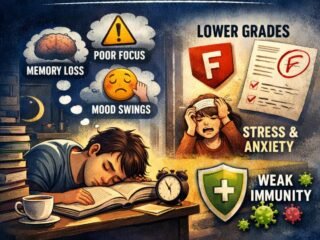
Chronic stress increases cortisol, which can interfere with reproductive hormones. Sleep deprivation and burnout can also disrupt ovulation.
Unhealthy Diet and Obesity
Being overweight or underweight can impact hormonal balance, leading to irregular cycles and reduced fertility.
Smoking and Alcohol Use
Smoking accelerates egg loss and reduces sperm quality. Alcohol can also impair reproductive hormone function.
Environmental Toxins
Exposure to pollution, plastics, pesticides, and endocrine-disrupting chemicals may affect fertility even in healthy young adults.
Male Fertility Also Matters — Even in the 20s
Fertility is not only a “female issue.” Male reproductive health plays an equal role in conception.
Experts highlight that sperm quality has declined globally due to:
- Sedentary lifestyle
- Heat exposure (laptops, tight clothing)
- Smoking and substance use
- Stress and poor nutrition
Young age does not guarantee healthy sperm parameters either.
When Should Young Couples Seek Help?
Many people wait too long, believing fertility issues only happen later. Experts recommend seeking evaluation if:
- You’re under 35 and trying for 12 months without success
- You’re over 35 and trying for 6 months
- Periods are irregular or absent
- There is known PCOS or endometriosis
- There is a history of miscarriage
- Male partner has risk factors affecting sperm health
Early consultation can prevent delays and improve outcomes.
Fertility Awareness Is Key
The most important takeaway is that fertility is not something to assume — it is something to understand and protect.
Young adults should focus on:
- Regular health check-ups
- Maintaining a healthy weight
- Managing stress
- Avoiding smoking and excessive alcohol
- Tracking menstrual health
- Seeking early medical advice when needed
Fertility in your 20s and 30s may be stronger compared to later years, but youth alone does not guarantee reproductive health. Hidden conditions like PCOS, endometriosis, thyroid disorders, and lifestyle stressors can affect fertility much earlier than people expect.
Experts urge young adults to move beyond the myth of “I’m young, so I’m fine” and instead adopt a proactive approach to reproductive wellness.
Because when it comes to fertility, awareness matters as much as age.