


New Delhi, 17 May 2025: If you are in your 40s and often feel unusually tired, weak, or off-balance, it might not just be stress or a hectic lifestyle — it could be your body’s way of signalling early ageing. According to a new study, feelings of frailty, often considered a concern only for people in their 70s or 80s, may actually begin as early as 40.
This revelation highlights the importance of listening to your body and not dismissing these subtle signs of decline. The research brings fresh focus on midlife health and how early intervention could potentially delay or prevent age-related diseases.
What the Study Found
The study, conducted by a team of researchers from the University of Jyväskylä in Finland and published in the journal BMJ Open, evaluated over 1,000 men and women aged between 40 and 80 years. Surprisingly, even individuals in their 40s reported signs of frailty — such as decreased physical activity, feelings of exhaustion, reduced strength, and unintended weight loss.
While frailty is commonly linked to the elderly, the study suggests that these early signs can manifest much earlier, especially in people with sedentary lifestyles, poor diet, or chronic stress.
What is Frailty and Why Does It Matter?
Frailty is a clinical syndrome characterised by reduced strength, endurance, and physiological function. It increases vulnerability to falls, hospitalisation, disability, and even death. Early signs include:
- Feeling easily fatigued
- Slower walking speed
- Muscle weakness
- Low physical activity
- Unintentional weight loss
The condition may be reversible in its early stages, but when ignored, it significantly increases the risk of developing chronic diseases like cardiovascular issues, type 2 diabetes, and cognitive decline.
Why People in Their 40s Should Be Concerned
Experts believe modern lifestyles may be accelerating the ageing process. Lack of physical activity, unhealthy diets, poor sleep patterns, and high stress levels can all contribute to the early onset of frailty symptoms.
Dr. Eija K Laakkonen, one of the lead researchers, noted, “Our findings are a wake-up call. If you feel persistently weak, tired, or less active in your 40s, it could be your body warning you of something bigger — a possible early sign of ageing or future health decline.”
This is especially concerning because 40s are often overlooked in preventative health measures. Most people don’t start paying attention to ageing symptoms until their 60s or later — potentially missing a critical window for lifestyle correction.
How to Prevent or Reverse Early Frailty
The good news? Early frailty is not a one-way ticket to chronic illness. Here are science-backed ways to counteract early signs of physical decline:
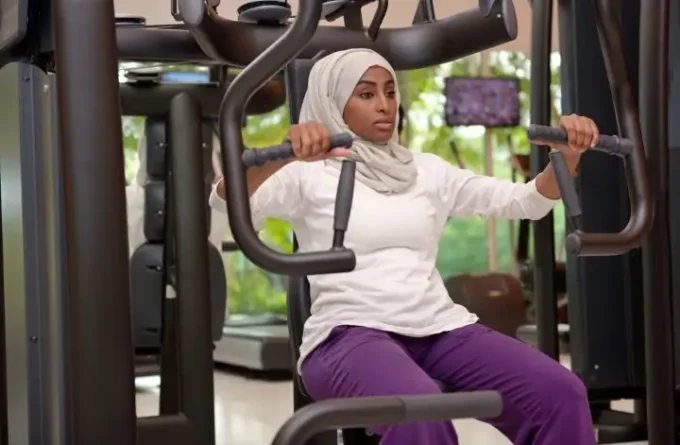
- Start Moving: Aim for at least 150 minutes of moderate aerobic exercise per week. Resistance training helps retain muscle mass.
- Eat a Balanced Diet: Prioritise protein, leafy greens, healthy fats, and whole grains. Avoid processed foods.
- Get Quality Sleep: Aim for 7–9 hours per night. Poor sleep affects energy, weight, and muscle recovery.
- Manage Stress: Practice mindfulness, yoga, or meditation to lower cortisol levels and support hormonal balance.
- Stay Socially Active: Isolation can accelerate both physical and mental decline. Stay connected with friends and family.
Why Early Detection Matters
Detecting frailty in its earliest stage allows for proactive management through diet, exercise, and regular medical check-ups. Doctors recommend routine screenings by age 40 to check for early signs of musculoskeletal weakness, metabolic changes, and cardiovascular risk factors.
This World Health Organization-backed study urges global health systems to broaden their ageing-related screenings to include individuals in their 40s, not just seniors.
Your 40s should be a time of strength, energy, and peak productivity — not the beginning of physical decline. If you’re constantly feeling tired, weak, or low on energy, don’t dismiss it as “just getting older.” It might be your body’s early signal that something needs attention. With early intervention and consistent healthy habits, you can stay strong, active, and vibrant well into your later years.












Leave a comment