

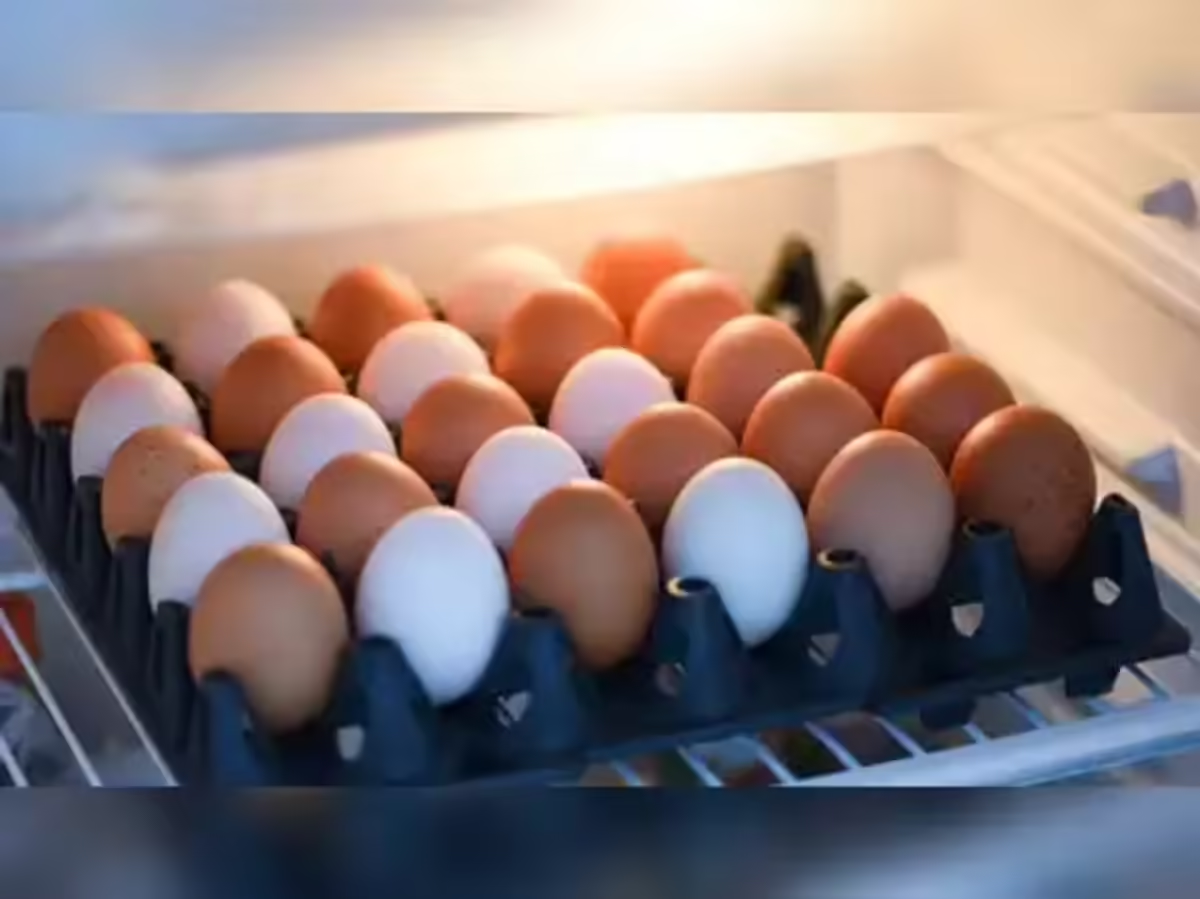
Eggs are among the most widely consumed foods in India and across the world, valued for their high protein content, versatility, and everyday use in meals ranging from simple breakfasts to elaborate recipes. However, rising concerns about food adulteration have led many consumers to question the authenticity of eggs sold in markets.
Fake Eggs Health Hazards: What To Know
If eggs are contaminated, improperly stored, or expired, they can pose genuine health risks. Spoiled eggs may harbor harmful bacteria such as Salmonella, which can cause food poisoning. Symptoms typically include stomach cramps, diarrhoea, vomiting, fever, and dehydration. In vulnerable groups such as children, pregnant women, the elderly, and those with weak immunity, complications can be more serious.
Experts warn that consuming any adulterated or contaminated food product — whether eggs or other staples — may also lead to digestive distress, allergic reactions, or long-term health concerns if harmful chemicals are involved. This is why food vigilance is important — but panic is not.
Why Eggs May Look “Different”
Sometimes eggs may appear unusual due to natural variations rather than adulteration. Factors such as the hen’s diet, storage temperature, age of the egg, and cooking method can affect texture and colour. For example:
- A flattened yolk may indicate an older egg.
- A watery egg white may suggest loss of freshness.
- A firmer or rubbery texture after boiling may result from overcooking.
These differences do not automatically mean the egg is artificial.
Simple Home Tests to Check Egg Safety
Instead of relying on viral claims, experts recommend a few easy checks at home:
1. The Water Float Test
Place the egg in a bowl of water.
- Fresh eggs sink and lie flat.
- Slightly older eggs stand upright but remain submerged.
- Spoiled eggs float due to gas buildup inside.
2. Check the Shell
Fresh eggs usually have a slightly rough, matte shell. Extremely shiny or powdery shells may indicate cleaning or aging.
3. Crack and Smell Test
A strong, foul odour after cracking is a clear sign the egg has gone bad. Fresh eggs have little to no smell.
4. Examine the Yolk and White
A fresh egg typically has a firm, rounded yolk and thick egg white. Excessively watery consistency may indicate aging.
How to Stay Safe
Doctors recommend buying eggs from trusted vendors, checking expiry or packaging dates when available, and storing eggs in the refrigerator at a stable temperature. Washing eggs before storage is not advised, as it may remove the protective outer coating and increase contamination risk. Most importantly, cook eggs thoroughly to reduce the risk of bacterial infections.
Key Takeaway: Eggs are an excellent source of high-quality protein, essential vitamins, and minerals that support a balanced diet. However, consuming poor-quality or improperly stored eggs can pose health risks.












Leave a comment