

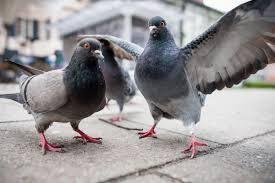
Long-term exposure to pigeons can lead to chronic lung disease, which can be life-threatening. One such condition is Hypersensitivity Pneumonitis (HP), a common lung disease in adults in India. HP is a type of Interstitial Lung Disease (ILD) that causes permanent scarring of lung tissue. This scarring makes it hard for people to breathe and for their lungs to transfer oxygen into the bloodstream and remove carbon dioxide from the body.
In a recent case, an 11-year-old boy from East Delhi faced a serious lung problem due to exposure to pigeon feathers and droppings. What started as a routine cough quickly became severe, requiring the boy to be hospitalized.
Medical tests showed that the boy had lung inflammation and spots on his lungs, which were signs of Hypersensitivity Pneumonitis. This condition was caused by an allergic reaction to proteins found in pigeon feathers and droppings. The boy’s breathing was so affected that he needed immediate medical care.
The boy was treated at Sir Ganga Ram Hospital by a team led by Dr. Dhiren Gupta, Co-Director of the Pediatric Intensive Care Unit (PICU). The team also included Dr. Anil Sachdev, Chairperson of Pediatrics, Dr. Suresh Gupta, Director of PICU Pediatrics, and Dr. Neeraj Gupta, Associate Consultant of Pediatrics. The boy received intensive treatment, including high-flow oxygen therapy and steroids to reduce lung inflammation.
Thanks to this treatment, the boy’s condition improved, and his breathing returned to near-normal. He was eventually discharged from the hospital with a detailed care plan to manage his condition at home.
Dr. Gupta emphasized the importance of recognizing the early signs of HP and taking action quickly to prevent serious complications. “Education about potential environmental triggers, like bird droppings and feathers, is essential for preventing similar incidents,” he said. “Don’t take pigeons and chickens lightly if they live close to you.”
This case highlights the need for awareness about the health risks associated with exposure to pigeons and other birds. Understanding these risks can help prevent serious health problems, especially in children who are more vulnerable to such conditions.













Leave a comment