


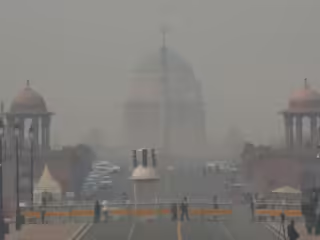
New Delhi, 19 November 2024: Air pollution is a serious issue that impacts millions of people every day, and its link to Heart attack is particularly alarming. Why does this happen? Firstly, air pollution contains harmful particles like PM2.5 that can infiltrate our bloodstream. Secondly, these small particles cause inflammation and oxidative stress in our bodies. Thirdly, long-term exposure to polluted air raises the risk of heart disease.
Additionally, groups such as the elderly and those with pre-existing health issues are at an increased risk. Recognizing the effects of PM2.5 on heart health can guide us in preventing heart attacks. So, what can we do to reduce these risks? By pushing for cleaner air and adopting healthier lifestyles, we can minimize our exposure to harmful pollutants.
What is PM2.5 and Why Should We Care?
PM2.5 refers to particles that are 2.5 micrometers or smaller. These tiny particles come from various sources, including car emissions, factory outputs, and natural disasters like wildfires. Because of their small size, PM2.5 particles can easily penetrate deep into our lungs and enter the bloodstream, leading to various health problems. The real danger of PM2.5 lies in its potential to severely harm our cardiovascular system, which can trigger heart attacks.
How PM2.5 Causes Inflammation
One of the main ways PM2.5 contributes to heart attacks is by triggering inflammation in our bodies. When we inhale these particles, they irritate our lungs, prompting an immune response that releases inflammatory markers into our bloodstream. This inflammation can harm blood vessels and promote plaque buildup, restricting blood flow and raising the risk of heart attacks. Continuous exposure to PM2.5 can cause chronic inflammation, worsening heart health.
You may Also like –

The Impact of Oxidative Stress
Beyond inflammation, exposure to PM2.5 can lead to oxidative stress, which occurs when there’s an imbalance between free radicals and antioxidants in our bodies. Free radicals are unstable molecules that can damage cells, proteins, and DNA, contributing to heart disease. Research has shown that PM2.5 can elevate free radical levels in our bodies, leading to oxidative damage and increasing the risk of heart attacks. The combination of inflammation and oxidative stress makes PM2.5 particularly dangerous for heart health.
Who is Most at Risk?
Some groups are more vulnerable to the negative effects of PM2.5. Older adults, those with existing heart conditions, and individuals with respiratory diseases face a greater risk from air pollution. Socioeconomic factors also play a role, as lower-income communities often live in areas with higher pollution levels, further increasing their health risks. Recognizing these vulnerabilities is key to creating targeted interventions and policies to protect those most at risk.
Steps to Reduce Risks
To mitigate the hazards linked to PM2.5 exposure, a comprehensive approach is necessary. Individuals can take action to safeguard their heart health by minimizing exposure to air pollution. This might include staying indoors on high pollution days, using air purifiers, and wearing masks when needed. On a larger scale, supporting policies aimed at lowering emissions from vehicles and industries can significantly enhance air quality. Community awareness and education about the dangers of air pollution are essential for fostering healthier environments.
Read Also – Zilebesiran: Single Dose Shows Six-Month Blood Pressure Control in Hypertension Breakthrough
In summary, the connection between air pollution, especially PM2.5, and heart attacks is clear. The detrimental effects of these minuscule particles can lead to inflammation, oxidative stress, and increased risks for heart disease, particularly among vulnerable populations. By understanding the threats posed by air pollution and taking proactive measures to decrease exposure, we can protect our heart health and advocate for a cleaner environment. It’s vital for individuals, communities, and policymakers to join forces to tackle this urgent issue, ensuring that everyone can breathe cleaner air and secure a healthier future.















Leave a comment