

Study Suggests that Regular Fasting and Intermittent Fasting May Reduce the Risk of Severe Covid-19 Complications
People who regularly fast or do intermittent fasting are less likely to experience severe complications from Covid-19, suggests a study. Intermittent fasting has previously shown to have a host of health benefits, including lowering the risk of diabetes and heart disease.
Study Published in BMJ Nutrition, Prevention & Health Reveals Lower Risk of Hospitalization or Mortality from Covid-19 Among Regular Water-Only Intermittent Fasting Practitioners
The findings, published week in BMJ Nutrition, Prevention & Health, showed that Covid patients who practised regular water-only intermittent fasting had lower risk of hospitalisation or dying due to the virus than patients who did not.
“Intermittent fasting has already shown to lower inflammation and improve cardiovascular health. In this study, we’re finding additional benefits when it comes to battling an infection of Covid-19 in patients who have been fasting for decades,” said Benjamin Horne, director of cardiovascular and genetic epidemiology at Intermountain Healthcare in the US.
In the study, researchers identified 205 patients who had tested positive for the virus between March 2020 and February 2021 — before vaccines were widely available.
Of these, 73 said they regularly fasted at least once a month. Researchers found that those who practised regular fasting had a lower rate of hospitalisation or death due to coronavirus.
“Intermittent fasting was not associated with whether or not someone tested positive Covid-19, but it was associated with lower severity once patients had tested positive for it,” Horne said.
While Horne said that more research is needed to understand why intermittent fasting is associated with better Covid outcomes, he said it’s most likely due to a host of ways that it affects the body.
For example, fasting reduces inflammation, especially since hyperinflammation is associated with poor Covid-19 outcomes. In addition, after 12 to 14 hours of fasting, the body switches from using glucose in the blood to ketones, including linoleic acid.
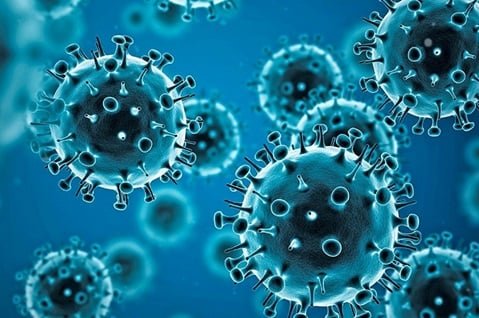
“There’s a pocket on the surface of SARS-CoV-2 that linoleic acid fits into — and can make the virus less able to attach to other cells,” he said.
Another potential benefit is that intermittent fasting promotes autophagy, which is “the body’s recycling system that helps your body destroy and recycle damaged and infected cells”, Horne added.
Importance of Consulting Doctors Before Considering Intermittent Fasting, Especially for Elderly, Pregnant Individuals, or Those with Diabetes, Heart, or Kidney Disease, Emphasized by Horne
Horne stressed that these results are from people who have been practising intermittent fasting for decades — not weeks — and that anyone who wants to consider the practice should consult their doctors first, especially if they are elderly, pregnant, or have conditions like diabetes, heart, or kidney disease.
Researchers also stressed intermittent fasting shouldn’t be seen as a substitute for Covid vaccination.












Leave a comment